

Venturi Restoration · Property restoration & remediation
Response times cut 90%, conversion doubled: eight years inside Venturi Restoration
Eight years as agency of record for a national property-restoration network, through an ownership change, a CEO change and a rebrand of the whole business. We built the lead-response system that cut after-hours response times by 90% and doubled the rate at which leads became jobs.
2015 to 2023, acquired by ATI Restoration
How we work with restoration companies →2×
Conversion rate
Response time cut up to 90% · eight years as agency of record
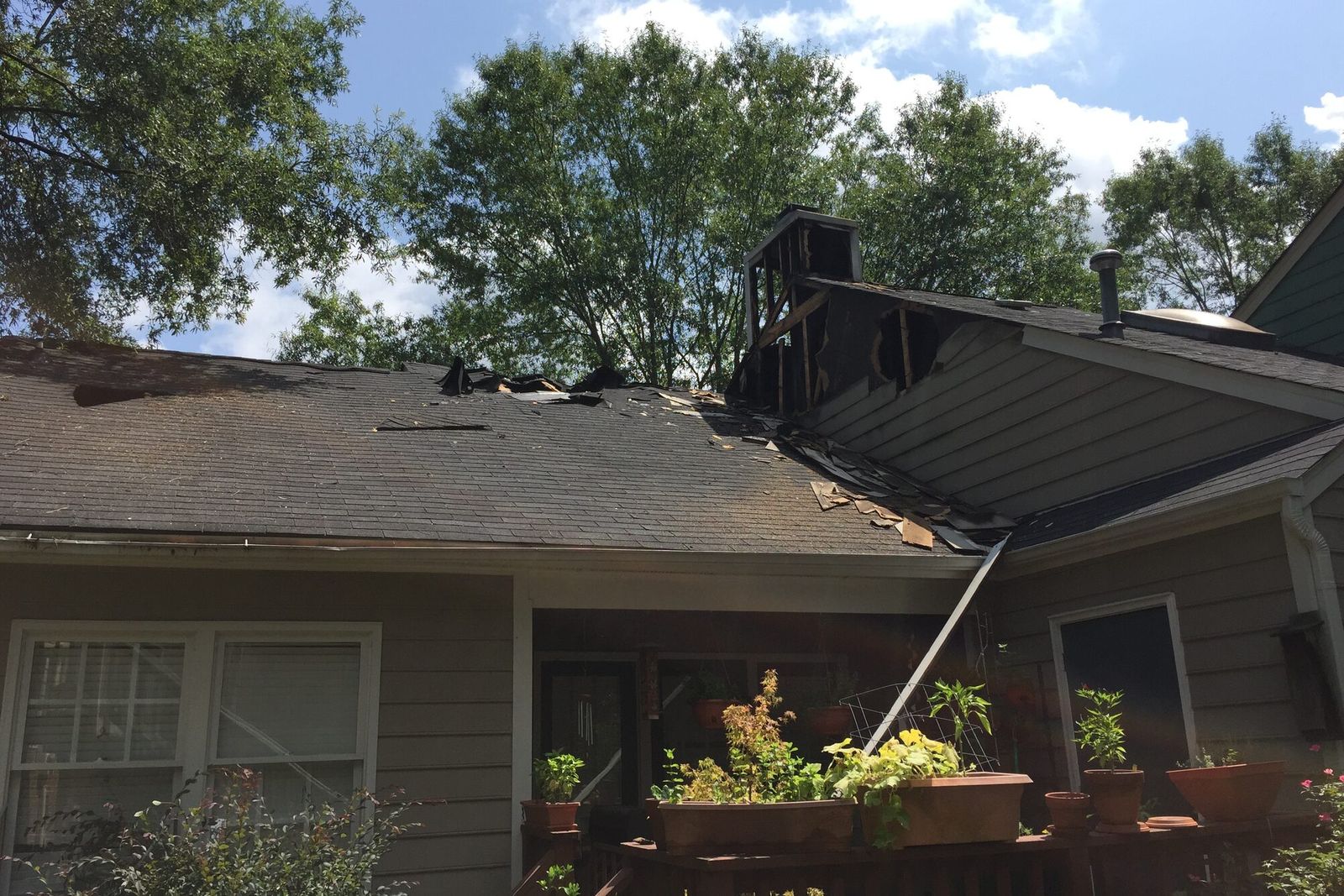
Why was a national restoration network losing jobs it should have won?
When Response Team 1 brought us in, they were a national property-restoration business with a structural problem. Restoration is won locally, market by market, and their marketing was fragmented across branches, lead capture was inconsistent, and most costly of all, response times were slow.Property restoration is a local business, won market by market. Their marketing was fragmented across branches, lead capture was inconsistent, and (most costly of all) response times were slow.
That last point matters more in restoration than in almost any other industry. A restoration customer is not a shopper, they are a person in the middle of a crisis: a flooded basement, a house fire, mold spreading through a home or business. In restoration, response time is the single biggest determinant of who wins the job. The company that reaches the customer first, fastest, usually closes it. Slow response wasn't a service gap, it was lost revenue, every single night.A restoration customer is not a shopper; they are a person in the middle of a crisis, a flooded basement, a house fire, mold spreading through a home or business. In restoration, response time is the single biggest determinant of who wins the job: the company that reaches the customer first, fastest, usually closes it. Slow response wasn't a service gap. It was lost revenue, every single night.
To open branches, enter new markets and fold in acquisitions, Response Team 1 needed two things they didn't have: a repeatable marketing system that could stand up a new branch on demand, and a lead-generation engine fast enough to win crisis customers at the moment of decision.
How did Asymmetric build a growth engine that scaled?
We became Response Team 1's agency of record and built the growth infrastructure from the ground up. We stayed for eight years.
A repeatable local-marketing engine. Restoration is won locally, so we built local marketing schemas and campaigns for every branch, a repeatable playbook that let the company launch a new location, or fold in an acquisition, with a proven marketing system already attached. Expansion stopped being a series of one-off marketing problems and became an executable process.
Brand and web, across a transition. We built the Response Team 1 website from scratch, and when the company changed hands and rebranded the entire national network as Venturi Restoration in 2020, we built the Venturi site from scratch too, carrying the brand through the transition without losing momentum.
A lead-generation system built for speed. Because response time was the buying decision, we engineered the entire lead pipeline around it: optimized intake forms, structured call handling, a 24/7 call center, and Salesforce automations that routed and actioned every lead the instant it arrived. A 24/7 call center is a team that answers every crisis call the moment it comes in, day or night, so no lead went cold and no competitor got there first.
What were the results?
- Response time cut by 90% after hours and 24% during business hours, putting Venturi in front of customers while competitors were still returning calls.
- Conversion rate doubled, because these customers are in crisis, so faster response directly raised the rate at which leads became jobs.
- Agency of record for eight years, through a change of ownership, a change of CEO and a rebrand of the entire national network. An agency is usually the first line item cut when a business gets hard.
- Acquired by ATI Restoration in 2023, with the marketing and lead-response platform still running through the transition.
The arc is one connected story: faster response drove higher conversion, and the system that produced it kept running through a change of ownership, a change of CEO, and a rebrand of the whole business.
Frequently asked questions
How did Asymmetric improve Venturi Restoration's conversion rate?
By engineering the lead system around speed of response (a 24/7 call center, optimized intake, and Salesforce automation) Asymmetric helped double Venturi's conversion rate, because faster response to a customer in crisis directly raises the close rate.
How much did Asymmetric reduce Venturi's response time?
Asymmetric reduced Venturi Restoration's lead response time by 90% after hours and 24% during business hours.
How long did Asymmetric work with Venturi Restoration?
Eight years, as agency of record. The engagement ran from 2015 through a change of ownership, a change of CEO, and the rebrand of the entire national network from Response Team 1 to Venturi Restoration in 2020, and continued until the company was acquired by ATI Restoration in 2023.
Why does response time matter so much in property restoration?
Restoration customers are in crisis, so the company that reaches them first usually wins the job. Response time is the single biggest driver of conversion in the industry.