

November 8, 2024
Guerrilla Marketing Campaigns: Creative Ideas to Boost Your Brand
Guerrilla marketing campaigns use unique and surprising tactics to capture attention and promote brands. In […]
By Mark Hope, Founder, President & Chief Strategy Officer, Asymmetric Marketing

Guerrilla marketing campaigns use unique and surprising tactics to capture attention and promote brands. In this article, we explore different types of guerrilla marketing strategies-such as street marketing, ambient marketing, experiential marketing, and viral marketing-and showcase successful examples. Get inspired by creative ways to boost your brand’s visibility.
Key Takeaways
- Guerrilla marketing utilizes unconventional and low-cost tactics to create surprising and emotional consumer experiences that enhance brand awareness.
- Key tactics include street marketing, ambient marketing, experiential marketing, and viral marketing, all designed to effectively engage consumers.
- To succeed, brands must identify their target audience, develop creative concepts, select strategic locations, and measure campaign success effectively.
Understanding Guerrilla Marketing Campaigns
Guerrilla marketing refers to promotional strategies that use unconventional methods to evoke surprise and enhance brand awareness. Unlike traditional marketing, which often relies on big budgets and extensive campaigns, guerrilla marketing is characterized by its low-cost approach and creativity. The essence of a successful guerrilla marketing campaign lies in its originality and ability to captivate the audience’s attention through imaginative and surprising tactics. To execute a successful guerilla marketing campaign, you need to test ideas, measure performance, and utilize creative approaches to engage online and offline audiences. This strategy is derived from guerrilla warfare, utilizing unexpected tactics to gain an advantage over competitors.
At its core, guerrilla marketing aims to create a strong emotional connection with consumers, fostering deeper relationships and brand loyalty. Repurposing segments of the audience’s environment, guerrilla marketing creates relevant touchpoints that connect personally. Whether through street art, interactive experiences, or viral content, the goal is to leave a lasting impression that enhances brand recall and engagement.
Definition and Roots of Guerrilla Marketing
Guerrilla marketing is a form of unconventional marketing that uses creative and unexpected tactics to promote a product or service. The term “guerrilla marketing” was coined by Jay Conrad Levinson in the early 1980s, drawing inspiration from the concept of guerrilla warfare. Just as guerrilla warfare relies on surprise and ambush tactics to outmaneuver a larger and more conventional enemy, guerrilla marketing uses the element of surprise to create campaigns that catch people off guard during their daily routines.
In marketing, guerrilla tactics are designed to be imaginative and unexpected, making a significant impact without needing a large budget. By stepping away from traditional marketing methods, guerrilla marketing aims to create memorable experiences that appeal to consumers personally. Whether it’s a flash mob in a busy city square or a clever piece of street art, the goal is to leave a lasting impression that enhances brand recall and engagement.
Types of Guerrilla Marketing Tactics
Guerrilla marketing encompasses a variety of tactics that can be categorized into four main types:
- Street marketing
- Ambient marketing
- Experiential marketing
- Viral marketing
Each type offers unique ways to engage consumers and create memorable experiences.
We'll explore these tactics to understand how they can be effectively used in marketing campaigns.
Street Marketing
Street marketing refers to outdoor guerrilla marketing that engages consumers in public spaces. This tactic often involves using urban environments like busy streets, parks, and other public areas to capture attention through creative means. Techniques such as graffiti marketing, where city streets and alleyways become advertising space, are commonly used. Reverse graffiti, which involves cleaning dirt off surfaces to create images or messages, is another effective method.
Successful street marketing campaigns often use curiosity and surprise to engage passersby. For instance, Axe Body Spray used custom stickers creatively to interact with consumers in public settings.
Another notable example is RaisingTheRoof’s campaign, which targeted locations where homeless young people typically sit, highlighting the intention behind choosing specific urban environments. These campaigns demonstrate how street marketing can effectively capture attention and drive publicity.
Ambient Marketing
Ambient marketing integrates advertisements into the environment to surprise and engage consumers. This approach involves placing ads in unconventional locations like stairs, elevators, sidewalks, and public spaces like parks. A prime example of ambient marketing is BBC’s Dracula billboard, which creatively used light and shadows to capture attention.
Placing ads in unexpected places, ambient marketing makes the message more memorable and effective.
Experiential Marketing
Experiential marketing is interactive marketing that allows public engagement with the brand or product. This tactic relies on direct interaction between consumers and the brand, creating memorable experiences that foster a strong connection.
One classic example is Volkswagen’s interactive piano campaign, designed to increase awareness of environmentally friendly products. The campaign involved turning a staircase into a giant piano that played music as people walked on it.
Another effective experiential marketing tactic was used by Tyskie, who designed a branded door handle resembling a frothy mug of beer to evoke surprise and delight in consumers. SPAR’s interactive city light campaign, which scans clothing styles to play matching music, is another example of how experiential marketing can engage and entertain.
These campaigns highlight the power of experiential marketing in creating lasting impressions.
Viral Marketing
Viral marketing aims to create buzz and generate widespread attention through creative and effectively executed campaigns. Guerilla marketing campaigns also have the potential to reach a wide audience. Still, it’s essential to focus on targeting the right audience and forming genuine connections rather than just going viral. For instance, Dollar Shave Club’s viral campaign resulted in 12,000 orders in just 48 hours, showcasing the power of a well-crafted viral marketing strategy.
Snapchat’s billboard campaign also created significant hype, leading to a notable increase in searches for the app. Viral marketing can reach a wider audience and drive publicity by using social media platforms and user-generated content.
How to Plan a Successful Guerrilla Marketing Campaign
Planning a successful guerrilla marketing campaign requires carefully considering several key steps: identifying your target audience, developing a creative concept, choosing the right location, and measuring and analyzing results. Each step matters to ensuring your campaign appeals to your audience and achieves its goals.
Let’s explore these steps in more detail.
Identify Your Target Audience
Identifying your target audience is the first step in creating a guerrilla marketing campaign. Understanding your audience’s preferences and behaviors helps you choose the right locations, craft relevant messages, and select effective promotion channels.
Analyzing where your audience frequents, online and offline, matters for strategizing your campaign. This personalized approach enhances consumer engagement and ensures your message connects.
Set Clear Goals and Objectives
Setting clear goals and objectives is essential before launching a guerrilla marketing campaign. This foundational step helps define the scope of your campaign, identify your target audience, and determine the best tactics to use. Your goals and objectives should be specific, measurable, achievable, relevant, and time-bound (SMART). For instance, you might aim to increase brand awareness by 20% within the next six months or drive sales by 15% within the next quarter.
Common goals and objectives for guerrilla marketing campaigns include:
- Increasing brand awareness and recognition
- Driving website traffic and online engagement
- Generating leads and sales
- Building customer loyalty and retention
- Creating a buzz and generating publicity
By setting clear goals and objectives, you can create a focused and effective guerrilla marketing campaign that appeals to your target audience and drives actual results for your business. This strategic approach ensures that every aspect of your campaign is aligned with your overall marketing goals, making it easier to measure success and make necessary adjustments.
Develop a Creative Concept
Creativity and originality are essential for a successful guerrilla marketing campaign. An effective guerrilla marketing strategy emphasizes creativity and cost-effectiveness in marketing campaigns, often using unconventional approaches. A key element for success is the element of surprise, which can significantly enhance the impact of your campaign. Additionally, aligning your marketing with current trends can make your campaign more relevant and engaging.
Successful guerrilla marketing campaigns often feature exclusivity and engaging content that excites consumers.
Choose the Right Location
Choosing the right location matters for maximizing the visibility and impact of your guerrilla marketing campaign. Strategic location selection ensures that your campaign effectively reaches your target audience. Consider using places like stairs, benches, and street corners, which can be utilized creatively to engage passersby.
Examples like T-Mobile’s flash mob campaign demonstrate how strategic location choices drive user engagement and brand visibility.
Measure and Analyze Results
Clear KPIs matter for assessing the effectiveness of guerrilla marketing efforts. Campaign success should be evaluated using metrics such as engagement, website traffic, social media mentions, and sales.
Post-campaign analysis should incorporate quantitative and qualitative metrics to gauge overall effectiveness and identify areas for improvement. This continuous evaluation allows brands to adapt their strategies for future campaigns.
Inspiring Guerrilla Marketing Examples
To truly understand the power of guerrilla marketing, let’s explore some inspiring guerilla marketing examples showcasing innovative and effective marketing strategies. These campaigns showcase the creativity and innovation that can drive significant publicity and consumer engagement.
From Coca-Cola’s Happiness Machine to IKEA’s space-saving furniture ads, these examples demonstrate how guerrilla marketing can leave a lasting impact on audiences.
Coca-Cola’s Happiness Machine
Coca-Cola’s Happiness Machine was a campaign designed to bring joy to consumers through interactive vending machines. These vending machines dispensed drinks and included food and surprise gifts, delighting users and fostering positive emotions associated with the Coca-Cola brand.
The Happiness Machine effectively promoted joy and community, enhancing consumer engagement.
UNICEF’s Dirty Water Vending Machines
UNICEF’s campaign featured vending machines that sold contaminated water to highlight the global clean water crisis. The vending machines sold dirty bottled water labeled by diseases, drawing attention to the harsh realities faced by millions.
This impactful campaign raised awareness and prompted public discussion, effectively using guerrilla marketing to drive a key humanitarian message.
Red Bull Stratos Jump
The Red Bull Stratos Jump is a remarkable example of guerrilla marketing that captivated a global audience. Felix Baumgartner’s record-breaking skydive from over 24 miles above the earth broke multiple records and garnered 8 million live views on YouTube.
This extraordinary event generated massive publicity and reinforced Red Bull’s brand image as a pioneer of extreme sports.
Deadpool’s Tinder Profile
Deadpool’s marketing team created a humorous Tinder profile to promote the movie, using an unconventional platform for fan interaction. This unique approach generated significant online engagement and buzz, making it a successful guerrilla marketing campaign.
Using humor and a popular dating app, the campaign effectively reached a broad audience and built anticipation for the film.
IKEA’s Space-Saving Furniture Ads
IKEA utilized staircases in urban settings to demonstrate the practicality of its space-saving furniture solutions. By creatively using unconventional spaces, IKEA allowed consumers to visualize how their products could fit into limited living areas. This innovative approach effectively highlighted the benefits of IKEA’s furniture and memorably engaged potential customers.
Benefits of Guerrilla Marketing

Guerrilla marketing offers several benefits that make it an attractive strategy for brands. It's cost-effective, enhances brand image, and emotionally engages consumers. These advantages can lead to higher consumer engagement and stronger brand loyalty, making guerrilla marketing a powerful tool in today’s competitive marketplace.
Cost-Effective Marketing
One of the greatest strengths of guerrilla marketing is its cost-effectiveness. While traditional campaigns can average $500,000, guerrilla marketing campaigns can be executed with a median cost of around $100. This low-cost approach primarily requires creative and intellectual investment, allowing brands to generate buzz without significant financial outlay.
Successful campaigns can intrigue passersby and prompt them to share their experiences online, increasing the reach and impact.
Enhances Brand Image
Creative guerrilla marketing can significantly enhance brand recognition and recall. By using creativity and uniqueness, these campaigns stand out in a crowded marketplace, challenging customer perceptions and creating a memorable impact.
The distinctiveness of guerrilla marketing enhances the brand image, making it more relatable and recognizable.
Engages Emotionally
Guerrilla marketing can foster emotional connections with consumers, enhancing their brand loyalty. By creating exclusive and memorable experiences, brands can engage consumers deeper, leading to stronger brand connections.
A successful guerrilla marketing idea should relate to consumers and engage them emotionally.
Common Challenges and How to Overcome Them
While guerrilla marketing offers numerous benefits, it also presents challenges that must be addressed. These include legal issues, measuring success, and managing risks.
Understanding and preparing for these challenges enables brands to execute successful guerrilla marketing campaigns.
Legal Issues
Legal issues are a significant potential challenge for businesses pursuing daring guerrilla marketing ideas. Legal complications can arise from using public spaces for marketing without obtaining the necessary permissions, leading to potential risks.
When planning guerrilla marketing projects, you need to understand and follow appropriate legal channels to avoid these complications. This includes researching local regulations and obtaining any necessary permits or approvals, which can prevent unexpected legal troubles.
Consulting with legal experts can provide valuable insights into potential pitfalls and help handle complex legal landscapes. By ensuring compliance with legal requirements, businesses can focus on the creative aspects of their guerrilla marketing campaigns, minimizing the risk of negative consequences. Understanding the legal implications can enhance the credibility and reputation of the brand, demonstrating a commitment to ethical marketing practices.
Measuring Success
Measuring the success of guerrilla marketing campaigns can be more complex than assessing the effectiveness of traditional marketing methods. Setting measurable goals is essential for gauging effectiveness. Utilizing tools such as social media analytics, surveys, and tracking codes can enhance the ability to assess campaign performance.
Continuous evaluation allows brands to adapt strategies and improve future campaigns based on performance metrics.
Managing Risks
Managing risks in guerrilla marketing involves anticipating and addressing potential misinterpretations of unconventional campaigns to avoid damaging brand reputation. Stealth marketing, a strategy that promotes products or services without the audience’s awareness, can also create a more subtle promotional impact. Creating a contingency plan can help address unexpected issues during campaigns, ensuring that any negative impact is minimized.
Tips for Creating Effective Guerrilla Marketing Ideas

Effective guerrilla marketing ideas require creativity, strategic planning, and an understanding of current trends. This makes it an excellent guerrilla marketing idea.
These tips will help you generate memorable campaigns that actively engage consumers.
Think Outside the Box
Thinking outside the box is essential for guerrilla marketing success. Unconventional ideas can lead to memorable campaigns that connect deeply with audiences. For example, McDonald’s created a sense of exclusivity with its fan club, enhancing customer loyalty and engagement.
This creative thinking fosters innovation and drives consumer interest and brand loyalty.
Use Current Trends
Incorporating current trends into your guerrilla marketing campaigns can enhance their relevance and engagement. Staying updated on trends allows you to align your marketing efforts with your audience’s interests and behaviors, enhancing campaign impact.
Collaborate with Influencers
Partnering with influencers can significantly expand the reach and effectiveness of your guerrilla marketing campaigns. Influencers provide unique insights on current trends and allow brands to use their established audience, increasing the potential for campaign virality. Effective collaborations can lead to authentic endorsements that connect more with target audiences.
Offering free product samples or creating memorable influencer experiences can foster trust and enhance brand connection.
Flash Mobs
Flash mobs are organized performances in public spaces designed to capture attention. A group performs a specific action at a set time and location, creating a surprise element that generates buzz and draws crowds. These performances can range from choreographed dances to spontaneous musical renditions, each tailored to enhance brand visibility and audience engagement. Flash mobs are often recorded and shared across social media platforms, increasing their reach and impact.
In addition to creating an immediate spectacle, flash mobs offer a unique opportunity for brands to connect with their audience personally. By involving participants and onlookers in the performance, brands can foster community and shared experience. This interactive element enhances brand recognition and encourages word-of-mouth marketing, as participants will likely share their experiences with friends and family.
Flash mobs can be strategically planned to coincide with events or holidays, maximizing their relevance and appeal. By aligning the performance with a specific theme or message, brands can effectively memorably communicate their values and offerings. Flash mobs are a dynamic and engaging guerrilla marketing tactic that can leave a lasting impression on audiences.
Burger King’s Moldy Whopper
The Moldy Whopper campaign was a bold initiative showcasing a decaying burger to emphasize the absence of artificial preservatives in Burger King’s food.
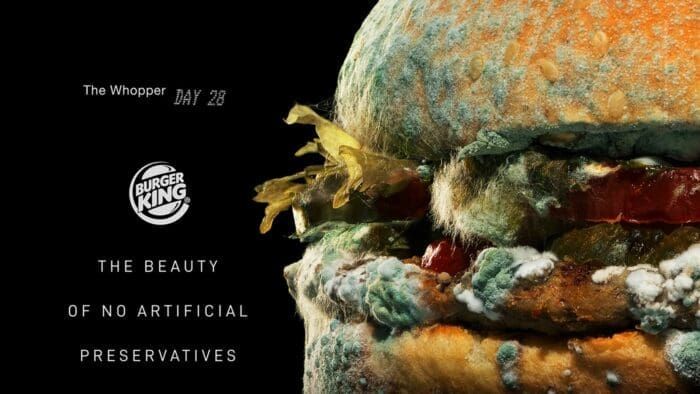
This daring approach highlighted the brand’s commitment to natural ingredients. By allowing the burger to mold visibly over time, Burger King effectively communicated that their food is free from artificial preservatives, a significant selling point in today’s health-conscious market.
The campaign generated extensive media coverage and sparked conversations about food quality and transparency. It challenged the fast-food industry’s norms and encouraged consumers to think critically about the ingredients in their meals.
The Moldy Whopper campaign is a prime example of how a guerrilla marketing strategy can use shock value to create a strong brand narrative, ultimately enhancing brand perception and customer trust.
Test and Refine Your Idea
Testing guerrilla marketing ideas helps prevent adverse outcomes and ensures positive audience engagement. Conducting preliminary tests with focus groups can help gauge audience reactions before a full campaign launch.
Before launching a full-scale guerrilla marketing campaign, testing and refining your ideas to ensure they appeal to your target audience matters. This step can involve creating prototypes or mock-ups of your marketing concepts and presenting them to a small group of potential customers. By doing so, you can gather valuable feedback on the effectiveness and appeal of your ideas, allowing you to make necessary adjustments before the official launch.
Testing also helps identify any potential pitfalls or negative perceptions that could arise from your campaign. By addressing these issues early on, you can refine your approach to minimize risks and maximize the campaign’s impact. Additionally, testing can provide insights into the most effective channels and tactics for reaching your audience, enabling you to optimize your strategy for maximum engagement.
Incorporating feedback from these tests can lead to a more polished and impactful guerrilla marketing campaign. Refining your ideas based on real-world insights ensures that your campaign captures attention and leaves a lasting impression on your audience. Ultimately, thorough testing and refinement can significantly enhance the success and effectiveness of your guerrilla marketing efforts.
Summary
In summary, guerrilla marketing offers a dynamic and innovative approach to promoting your brand. By using creativity, surprise, and emotional engagement, guerrilla marketing can create memorable experiences that appeal to consumers. While it presents challenges, careful planning, and strategic execution can lead to successful campaigns that enhance brand recognition and loyalty. Embrace the unconventional, think outside the box, and let your creativity shine to boost your brand in ways you never imagined.

Frequently asked questions
What is guerrilla marketing?
Guerrilla marketing is a creative approach that employs unconventional, low-cost tactics to capture attention and engage consumers, ultimately boosting your brand’s visibility. Embrace the unexpected and let your brand stand out!
What are some examples of guerrilla marketing tactics?
Guerrilla marketing tactics, such as street, ambient, experiential, and viral marketing, are fantastic ways to engage your audience creatively. Dive in and explore these innovative strategies to captivate consumers!
How do you measure the success of a guerrilla marketing campaign?
The success of a guerrilla marketing campaign can be effectively measured through engagement metrics, website traffic, social media mentions, and sales figures. Establish clear KPIs and continuously evaluate your performance to ensure your campaign succeeds!
What are the benefits of guerrilla marketing?
Guerrilla marketing offers cost-effectiveness while enhancing your brand image and fostering emotional connections with consumers. This ultimately drives stronger brand loyalty. Embrace this creative approach to improve your marketing game!
What challenges might you face with guerrilla marketing?
Guerrilla marketing can be challenging due to potential legal issues, difficulty measuring success, and inherent risks. However, by understanding the laws, setting clear goals, and preparing contingency plans, you can effectively handle these obstacles and unleash your creativity!
About the author

Mark Hope
Founder, President & Chief Strategy Officer, Asymmetric Marketing
Mark Hope is the Founder, President & Chief Strategy Officer of Asymmetric Marketing. His career spans elite military service, senior leadership at two of the largest companies in their categories, and founding several companies of his own. It's the common thread behind how Asymmetric helps smaller companies out-compete bigger ones.
Mark began his career in U.S. Army Special Operations, serving from 1977 to 1988 in the 1st and 3rd Battalions of the 75th Ranger Regiment and as an Operator in 1st Special Forces Operational Detachment–Delta (Delta Force). What that world runs on (careful planning, reading your opponent, and winning from a position of disadvantage) is the foundation of how he helps smaller companies win today.