

September 19, 2024
Proven Strategies to Enhance Brand Loyalty
Boost brand loyalty by combining standout experiences, smart measurement, and meaningful rewards. Anchor your program in the basics: consistent quality, fast and friendly support, and a clear brand story that connects. Track loyalty with a balanced scorecard, NPS and CLI for sentiment and intent, plus repeat purchase r
By Mark Hope, Founder, President & Chief Strategy Officer, Asymmetric Marketing

How can you enhance loyalty to brands? This article explores essential strategies to build and sustain brand loyalty. Discover key concepts, understand the difference between brand and customer loyalty, and learn actionable steps to keep customers committed to your brand.
Key Takeaways
- Brand loyalty is rooted in emotional connections and perceived value, distinguishing it from transactional customer loyalty.
- Exceptional customer service, compelling brand stories, and effective reward programs are key strategies for fostering brand loyalty.
- Net Promoter Score (NPS) and Customer Loyalty Index (CLI) are essential for measuring and enhancing brand loyalty over time.
Understanding Brand Loyalty

Brand loyalty refers to a customer’s consistent preference for one brand over all others, driven by positive feelings and a solid emotional connection. It develops over time through consistent commitment to customer care and satisfaction and matters for retaining customer loyalty and increasing repurchase rates to drive brand loyalty.
Unlike customer loyalty, which can be influenced by price and convenience, brand loyalty is deeply rooted in the customer’s perception of the brand’s value, quality, and identity.
Brand Loyalty vs. Customer Loyalty
Differentiating brand loyalty from customer loyalty is critical. Brand loyalty is rooted in emotional attachment and commitment to a brand, often influenced by the brand’s image, values, and the overall experience it provides. In contrast, customer loyalty is more transactional, driven by pricing strategies, discounts, and convenience. Brand loyal customers are less likely to switch brands because they perceive a higher value in their preferred brand.
Brand loyalty leads to stronger long-term relationships and higher customer lifetime value compared to customer loyalty. While price-driven customer loyalty can decrease over time, brand loyalty grows with consistent positive experiences and emotional connections.
Brand affinity matters for establishing a solid relationship between the customer and the brand. This deep connection plays a significant role in fostering brand loyalty.
Why Brand Loyalty is Important
Brand loyalty matters for several reasons:
- It helps protect market share by retaining customers and preventing them from switching to competitors.
- This leads to higher repurchase rates and enhanced customer retention, directly contributing to long-term business growth.
- Customers with high brand loyalty often perceive their preferred brands as offering greater value, providing a buffer against price sensitivity.
Customer satisfaction, brand trust, and perceived quality matter for evaluating brand loyalty. Tools like Net Promoter Score (NPS) and Customer Loyalty Index (CLI) help businesses gauge brand health and identify areas for improvement. Continuously monitoring these metrics ensures that brands maintain strong loyalty over time.
Critical Characteristics of Brand Loyalty

Brand loyalty is characterized by specific traits influencing how customers engage with a brand. Key characteristics include the perceived value, quality, and trust associated with the brand. Superior customer experiences are fundamental drivers of brand loyalty, helping businesses grow their revenues significantly faster than their industry peers.
Emotional Connection
Emotional connections play a central role in fostering brand loyalty. Customers with strong emotional ties to a brand are likelier to stay loyal.
These connections are often built through consistent brand messaging and personal relationships, which make customers feel valued and understood. For instance, brands like Gymshark evoke happiness and support through informal and relatable social content, fostering deeper emotional connections.
Utilizing customer data to craft personalized rewards and experiences can significantly strengthen these emotional bonds. A favorite coffee shop, for example, can create emotional attachment by providing incredibly consistent service and emotional marketing.
These strategies improve customer loyalty and engagement, as customers feel a personal connection to the brand.
Trust and Commitment
Trust is a cornerstone of brand loyalty. Customers rely on a brand’s quality and ethical practices to determine loyalty. Product quality is a significant factor, with 74% of consumers citing it as the primary reason for their loyalty. Brands must ensure their values align with their customers to maintain this trust, as any misalignment can lead to losing loyalty.
Commitment to excellent customer service and consistent, transparent communication also play a central role in building trust. Brands prioritizing these aspects will likely retain their customers and foster long-term loyalty. This commitment is essential for maintaining customer loyalty and ensuring repeat business.
Customer Satisfaction
Customer satisfaction is a critical component of brand loyalty. Many customers report loyalty to brands due to their high-quality customer service. Positive experiences increase trust and the likelihood of recommendations and repeat purchases. For instance, 85% of consumers will likely purchase more after an excellent experience.
Repeat business from existing customers accounts for 65% of revenue, highlighting the importance of customer retention. Increasing customer retention rates by just 5% can boost profits by at least 25% and up to 95%. Therefore, measuring brand loyalty often relies on assessing customer experience and engagement.
Proven Strategies to Build Brand Loyalty

Building brand loyalty requires a strategic approach that includes creating brand loyalty through delivering exceptional customer service, developing a compelling brand story, and implementing effective rewards programs to cultivate brand loyalty. These strategies are essential for securing customer retention and ensuring long-term profitability.
By understanding and responding to customer needs, brands can create deeper connections and enhance loyalty.
Deliver Exceptional Customer Service
Exceptional customer service matters in fostering brand loyalty and ensuring repeat purchases. High-quality customer service significantly impacts brand loyalty and revenue growth, as 83% of customers would switch brands due to lousy customer service. Brands that excel in customer experience have substantially higher revenue growth. They achieve more than double the growth compared to those that fall behind.
A successful customer service strategy should consider the audience’s preferred communication channels and ensure that customer service agents go above and beyond when it matters most. For example, Apple’s focus on excellent customer service and high customer satisfaction scores enhances its brand loyalty, with customers continuing to buy Apple products due to the strong brand image and compelling company story.
Develop a Compelling Brand Story
A compelling brand story is essential for forging emotional connections with consumers, increasing their likelihood of loyalty. Telling a story that appeals to the audience, especially on social media, matters for building loyalty. Developing a distinct brand voice and maintaining consistency in storytelling across platforms reinforces brand identity and strengthens customer loyalty.
Brands like Gymshark use their brand story to evoke happiness and support, fostering emotional connections with their audience. By consistently sharing relatable and engaging content, brands can enhance their engagement and build trust with followers, ultimately driving brand loyalty.
Implement Effective Rewards Programs
Effective rewards programs are a powerful tool for building brand loyalty. Nike, for example, enhances its brand loyalty through its industry-leading membership program, offering unique incentives like priority event tickets and exclusive deals. Providing personalized discounts based on customer purchase history can significantly enhance the loyalty of repeat customers.
A gamified loyalty program creates excitement and encourages customers to engage more frequently with the brand. Tailoring services and offers based on customer history enhances engagement and fosters deeper loyalty.
These strategies are essential for retaining customers and driving long-term brand loyalty.
Using Social Media for Brand Loyalty

Social media is increasingly key in building brand loyalty by engaging with customers and establishing strong connections. By using social media effectively, brands can enhance their visibility, foster customer engagement, and create a community of brand advocates.
Engage With Your Audience
Engaging with your audience on social media matters for building brand loyalty. Public interactions, such as responding to comments and messages, build brand trust and loyalty. Crafting a data-driven strategy that prioritizes customer feedback ensures that interactions are relatable and customer-centric.
Gathering and acting upon customer feedback helps brands understand their audience better and tailor their strategies accordingly. This approach enhances customer retention and increases brand loyalty over time.
Monitor and Respond to Feedback
Monitoring and responding to feedback is essential for improving brand loyalty. 63% of customers believe that companies need to enhance their feedback-listening skills. Brands like Sephora gain ongoing customer insights by creating communities where customers can share feedback.
Testing new messaging and actively addressing customer feedback on social media fosters loyalty and strengthens brand perception. A practical approach to customer feedback should be complete and omnichannel, ensuring that all customer touchpoints are covered.
Create Shareable Content
Creating shareable content is critical to fostering customer advocacy and enhancing brand loyalty. Crafting compelling stories that appeal to your audience encourages content sharing and brand advocacy. Content that evokes emotions provides value or sparks curiosity tends to be more shareable among audiences.
Shareable content not only increases visibility but also cultivates a community of loyal advocates for the brand. High-quality content that aligns with your brand values and appeals to your target audience is essential for driving brand loyalty.
Examples of Brands with High Loyalty

Examining examples of highly loyal brands can provide valuable insights and inspiration. Companies like Apple, Nike, and Starbucks have built strong brand loyalty through various strategies, leading to repeat purchases and customer retention.
Apple
Apple has consistently ranked highly for customer loyalty, particularly in the smartphone market. The brand’s substantial engagement and user satisfaction are reflected in its high brand loyalty score for 2023. By positioning itself as a provider of high-value, aspirational products, Apple has created a strong emotional connection with its customers.
Apple’s focus on excellent customer service, strong brand image, and compelling company story further enhances its brand loyalty. Customers continue to buy Apple products from the same brand because they trust it and feel a solid connection to its values and identity.
Nike
Nike has successfully cultivated brand loyalty by positioning itself as the first choice for all things sports. The brand fosters loyalty through aspirational image building, athlete endorsements, and an industry-leading membership program. Through its apps, Nike creates lasting connections with its customers by offering incentives such as priority event tickets, exclusive deals, and free training advice.
Innovation is critical to Nike’s brand loyalty, keeping fans returning and engaged. The brand’s understanding of customer needs and preferences allows it to build strong relationships and create a cultural phenomenon, as seen with the Air Max line. This approach ensures that Nike remains a top choice for its loyal customers.
Starbucks
Starbucks has built deep brand loyalty through its effective rewards program, personalized customer interactions, and engaging promotional strategies. The Starbucks Rewards program, which grew by 10% in 2020, uses in-app user data and purchase history to create personalized offers for its members, enhancing customer engagement and satisfaction.
By providing a warm atmosphere, limited edition beverages, and user-friendly mobile apps, Starbucks creates meaningful experiences for its customers. These personalized interactions make customers feel seen and rewarded, fostering long-term relationships and deep brand loyalty.
Measuring Brand Loyalty
Measuring brand loyalty requires a complete and ongoing view of various metrics. Brand experience, customer satisfaction, and the intent to make repeat purchases matter for understanding loyalty. High-quality customer service and continuous metrics evaluation can significantly enhance customer retention and revenue growth.
Net Promoter Score (NPS)
Net Promoter Score (NPS) is a widely used metric to assess customer loyalty based on the likelihood of recommendations. NPS surveys ask respondents to rate their likelihood of recommending a product or service to others on a scale of 0 to 10. Respondents are categorized as promoters, passives, or detractors, and the NPS is calculated by subtracting the percentage of detractors from promoters.
This metric provides valuable insights into customer perception and satisfaction, helping brands identify areas for improvement and measure the effectiveness of their loyalty strategies. By regularly tracking NPS, businesses can gauge their brand health and drive long-term loyalty.
Customer Loyalty Index (CLI)
The Customer Loyalty Index (CLI) is another critical metric for customer loyalty. CLI measures the intent to make repeat purchases, reflecting overall customer satisfaction and engagement with the brand. This metric helps businesses understand their existing customers’ loyalty levels and identify opportunities for improvement.
By tracking CLI, brands can better understand customer behavior and preferences, enabling them to tailor their strategies to enhance loyalty. Regularly monitoring CLI provides insights into the effectiveness of loyalty programs and customer retention efforts.
Monitoring Repeat Purchases and Churn
Monitoring repeat purchases and churn rates is essential for gaining insights into customer loyalty trends. Tracking repeat purchases helps identify patterns in customer behavior and loyalty, allowing brands to implement targeted retention strategies.
Analyzing churn rates provides valuable information on why customers may leave, helping businesses address specific issues and improve loyalty strategies. By focusing on repeat purchases and churn analysis, brands can enhance customer retention efforts and drive long-term loyalty.
How to Reward Loyal Customers
Rewarding loyal customers matters for maintaining and increasing brand loyalty. Long-term loyalty rewards, such as exclusive deals, VIP programs, and personalized experiences, can significantly enhance customer retention and satisfaction. These rewards make customers feel valued and appreciated, encouraging repeat business and deeper brand loyalty.
Exclusive Deals and Offers
Offering exclusive deals and personalized offers can significantly enhance customer loyalty. Personalized offers catering to loyal customers’ preferences reinforce their commitment to the brand. For example, Amazon Prime members enjoy exclusive deals and better discounts, which deepen their loyalty to the platform.
Incorporating flexibility in rewards programs, such as offering various payment options for paid rewards programs, can make exclusive deals more accessible to loyal customers. This strategic approach helps deepen brand loyalty and reduce customer churn.
VIP Programs
VIP programs offer special privileges and recognition for loyal customers, fostering deeper relationships between the brand and its most committed clientele. Offering exclusive deals and personalized offers to VIP members reinforces their loyalty and increases their engagement with the brand.
Tailoring experiences based on the preferences and behaviors of VIP customers enhances their loyalty and makes them feel valued. By providing these elite customers with unique benefits, brands can cultivate a strong sense of loyalty and drive long-term engagement.
Personalized Experiences
Personalizing customer experiences matters for enhancing loyalty, making individuals feel valued and understood. Designing a range of rewards and using audience data for personalization ensures that customers receive incentives that appeal to their preferences.
Regularly updating and refining personalized strategies based on customer feedback and data analytics is essential for maintaining engagement and loyalty. By offering customized experiences, brands can create a positive customer perception and foster long-term loyalty.
Premium Pricing Power
One remarkable benefit of solid brand affinity is the ability to command premium pricing. Customers with a significant emotional connection to a brand are often willing to pay more for its products or services. This perceived value stems from their trust and connection, which justifies the higher price in their minds, enhancing brand equity.
Consumers are more comfortable paying a premium for brands they trust and feel connected to. This premium pricing power enhances profitability and reinforces the brand’s positioning in the market. Brands with strong emotional bonds can differentiate themselves from competitors, making price a secondary consideration for loyal customers.
Reduced Marketing Costs
Brand affinity can lead to reduced marketing costs through organic promotion by loyal customers. Consumers with strong connections to a brand often become passionate advocates, promoting the brand through word-of-mouth and social media.
These advocates engage with the brand by sharing positive experiences and communicating its value to others.
Personal recommendations through brand advocacy expand the customer base and enhance marketing efficiency. Brand advocates can significantly lower marketing expenses by generating organic referrals. This organic growth reduces the need for extensive marketing efforts and reinforces the brand’s reputation and credibility.
Define and Communicate Brand Values
Defining and communicating brand values matters for building brand affinity. Aligning your brand’s actions with audience values fosters a deeper emotional investment in your brand. Non-transactional messages and a clear brand voice effectively communicate these values.
Examples include Lush Cosmetics, which engages eco-conscious consumers through stories focused on sustainability and ethical practices, and TOMS Shoes, which has fostered affinity by integrating social responsibility into its brand identity.
Case Studies: Brands with High Affinity
Apple built a strong emotional bond with customers through innovative product launches and a focus on customer service. This bond transformed Apple customers into passionate advocates who were willing to stand in long lines for the latest product release.
Netflix gained customer loyalty by consistently delivering on its promise of convenience and personalized content. Tesla owners are known for enthusiastic advocacy, reflecting the brand’s strong emotional connection with consumers.
Salesforce built brand affinity by creating IdeaExchange, an interactive community for customer feedback. This community allowed customers to pitch, debate, and upvote features, guiding Salesforce’s product development and leading to significant enhancements.
Share of Wallet
When measuring loyalty, it’s essential to determine if it means anything or if it will benefit the business. When considering financial performance, customer loyalty is about the “share of wallet.” While market share is an important measure of success, the share of wallet is a deeper metric that better shows how companies can become exponentially more profitable without exponential growth in the number of customers.
How much money will your customer spend regularly with you? Implementing a well-structured customer loyalty strategy can significantly increase the share of wallet by encouraging repeat purchases and higher spending.
Loyalty Research
Customer loyalty research projects are an essential type of market research. They begin with a strategy session to align the research agency with the company’s interests, concerns, and desired outcomes.
These customer loyalty research projects begin with measurement, principally through surveys. Once the survey is completed, the data is analyzed, and the report is prepared.
The customer survey is designed, coded for online participation, and launched. Loyalty surveys target customer behaviors and attitudes within the universe of current customers.
These surveys are typically conducted online, but they can also be conducted by telephone. History has shown that today, most customers prefer to take part in online surveys. We tailored the sample size of the survey to the specific needs of the company, but it's at least n=200.
Once the results of the customer loyalty research survey are collected and collated, the analysis begins. First, we segment the customers according to their loyalty type. Subsequently, they're profiled and evaluated using detailed diagnostic analysis.
Once the analysis is completed, the final report is prepared, and a presentation is made to the company.
Profiling Segments
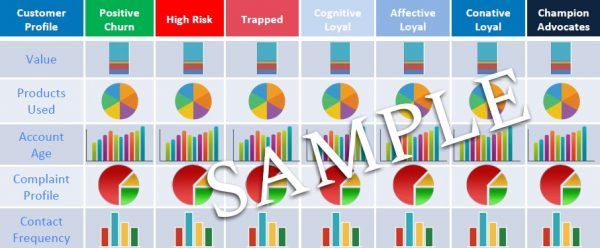
Once the loyalty segments have been sized, we develop a detailed profile to facilitate strategic prioritization. We should fully represent each customer segment in the survey, so quotas may be necessary to ensure proper representation.
We must customize the profile to a company’s particular business and brands.
Typical profiling variables for customer loyalty research include customer value, the product used, age of client relationships, complaint profile, servicing costs, frequency of contact, and participation in a rewards program.
Summary
Building and maintaining brand loyalty is a multifaceted process that requires a strategic approach. Various strategies contribute to fostering brand loyalty, from delivering exceptional customer service and developing compelling brand stories to implementing effective rewards programs and using social media.
By understanding and measuring key metrics like NPS and CLI, brands can continuously improve their loyalty strategies and ensure long-term customer retention. Creating emotional connections, trust, and customer satisfaction are the cornerstones of driving brand loyalty and achieving sustained business growth.

Frequently asked questions
What is the difference between brand loyalty and customer loyalty?
Brand loyalty stems from an emotional connection to a brand, whereas customer loyalty typically focuses on more transactional factors like price and convenience. This distinction highlights the different motivations behind each type of loyalty.
Why is brand loyalty important for businesses?
Loyal customers cost far less to sell to than new ones, buy more often, and tolerate a higher price before they shop around. They also refer people, which lowers acquisition cost again. For a smaller business competing against a larger one, brand loyalty is often the only advantage that a competitor can't simply outspend.
How can exceptional customer service build brand loyalty?
Service is where a brand promise either holds up or doesn't. Customers judge you most on what happens when something goes wrong, so fast responses, staff who can resolve a problem without escalating it, and follow-through after the fix do more for loyalty than any campaign. It's also the part a larger competitor usually can't copy, because it depends on how the business is run rather than what it spends.
What role does social media play in building brand loyalty?
Social media matters in enhancing brand visibility and fostering customer engagement. This, in turn, drives brand loyalty by creating a community of advocates. Engaging with customers through these platforms reinforces their connection to the brand.
How can businesses measure brand loyalty effectively?
To effectively measure brand loyalty, businesses should utilize metrics such as Net Promoter Score (NPS) and Customer Loyalty Index (CLI) while tracking repeat purchases and churn rates. These methods provide clear insights into customer commitment and satisfaction.
How can small businesses compete with larger brands when building loyalty?
Small businesses can use personalization and strong customer relationships to foster loyalty. While more prominent brands may have more resources, smaller companies have the advantage of agility and a closer connection with their customers. Small businesses can create a loyal customer base that values their unique touch by focusing on personalized communication, exceptional customer service, and tailored loyalty programs.
About the author

Mark Hope
Founder, President & Chief Strategy Officer, Asymmetric Marketing
Mark Hope is the Founder, President & Chief Strategy Officer of Asymmetric Marketing. His career spans elite military service, senior leadership at two of the largest companies in their categories, and founding several companies of his own. It's the common thread behind how Asymmetric helps smaller companies out-compete bigger ones.
Mark began his career in U.S. Army Special Operations, serving from 1977 to 1988 in the 1st and 3rd Battalions of the 75th Ranger Regiment and as an Operator in 1st Special Forces Operational Detachment–Delta (Delta Force). What that world runs on (careful planning, reading your opponent, and winning from a position of disadvantage) is the foundation of how he helps smaller companies win today.