
How can you enhance loyalty to brands? This article explores essential strategies to build and sustain brand loyalty. Discover key concepts, understand the difference between brand and customer loyalty, and learn actionable steps to keep customers committed to your brand, as we also expand on these themes in our broader guide to effective strategies for enhancing brand loyalty.
Key Takeaways
- Brand loyalty is rooted in emotional connections and perceived value, distinguishing it from transactional customer loyalty.
- Exceptional customer service, compelling brand stories, and effective reward programs are vital strategies for fostering brand loyalty.
- Net Promoter Score (NPS) and Customer Loyalty Index (CLI) are essential for measuring and enhancing brand loyalty over time.
Understanding Brand Loyalty
Brand loyalty definition: Brand loyalty refers to customers consistently choosing a particular brand over competitors, driven by an emotional connection, perceived quality, and positive experiences. This loyalty goes beyond repeated purchases, reflecting a strong attachment and perception of value associated with a particular brand.
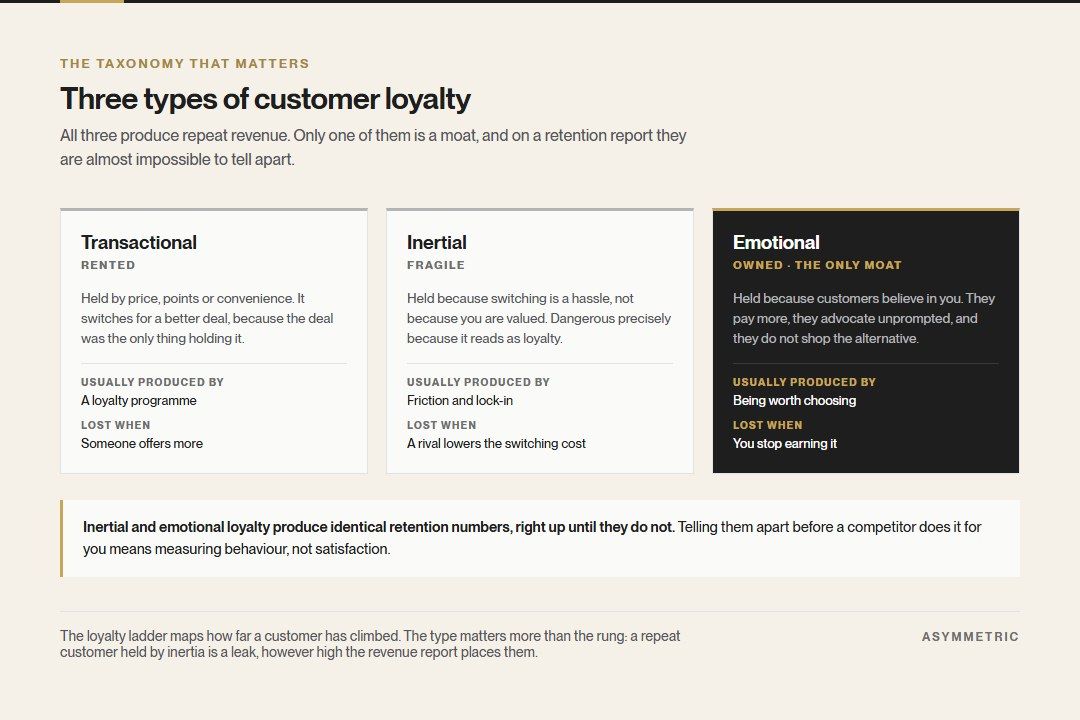
While customer loyalty is often driven by price and convenience, brand loyalty is based on emotional connections and perceptions of quality, specifically toward a particular brand. Customers may stick with a brand simply because they trust it or feel emotionally connected, highlighting the straightforward and genuine reasons behind their loyalty. This distinction means that brand loyalty involves a deeper commitment to a brand’s identity and offerings, whereas customer loyalty may shift based on external factors like discounts or accessibility.
Brand loyalty occurs when companies successfully retain customers across multiple product lines, allowing them to focus on improving existing offerings rather than acquiring new clients. Research shows that 59% of U.S. consumers state that once they're loyal to a brand, they're loyal for life, highlighting the importance of emotional connections in building brand loyalty.
Brand Loyalty vs. Customer Loyalty
Differentiating brand loyalty from customer loyalty is critical. Brand loyalty involves a commitment to a certain brand or particular brand, not just any brand. It is rooted in emotional attachment and commitment to a brand, often influenced by the brand’s image, values, and the overall experience it provides. In contrast, customer loyalty is more transactional, driven by pricing strategies, discounts, and convenience. Brand loyal customers are less likely to switch brands because they perceive a higher value in their preferred brand. Loyal consumers often view their preferred brands as an extension of their identity, built through brand storytelling and shared values.
Brand loyalty leads to stronger long-term relationships and higher customer lifetime value compared to customer loyalty. While price-driven customer loyalty can decrease over time, brand loyalty grows with consistent positive experiences and emotional connections.
Brand affinity is crucial for establishing a solid relationship between the customer and the brand. This deep connection plays a significant role in fostering brand loyalty, influencing multiple types of customer loyalty such as emotional, engagement, and advocacy loyalty.
Why Brand Loyalty is Important
Brand loyalty is crucial for several reasons:
- It helps protect market share by retaining customers and preventing them from switching to competitors.
- This leads to higher repurchase rates and enhanced customer retention, directly contributing to long-term business growth. It is significantly more profitable to sell to an existing customer than to acquire a new one; repeat buyers outspend new buyers and generate predictable revenue streams.
- Moreover, customers with high brand loyalty often perceive their preferred brands as offering greater value, providing a buffer against price sensitivity. Emotional connection and trust play a key role in helping customers stay with the brand.
Companies with high brand loyalty gain a significant competitive advantage over other brands, growing revenues 2.5 times faster than their industry peers and delivering two to five times the returns to shareholders. Loyal customers typically require less marketing effort and are easier to retain, which helps keep customer acquisition costs low and increases overall profitability. High brand loyalty also reduces the need for aggressive advertising campaigns, as loyalists naturally promote the brand through word of mouth, allowing companies to focus their digital marketing and advertising efforts on the most impactful channels. Additionally, loyal customers tend to spend more and are less likely to switch to competitors, making brand loyalty a crucial factor for long-term business success.
Customer satisfaction, brand trust, and perceived quality are vital for evaluating brand loyalty. Tools like Net Promoter Score (NPS) and Customer Loyalty Index (CLI) help businesses gauge brand health and identify areas for improvement. Continuously monitoring these metrics ensures that brands maintain strong loyalty over time. A solid base of loyal customers provides valuable feedback that helps a business evolve and improve more rapidly than competitors.
Critical Characteristics of Brand Loyalty
Brand loyalty is characterized by specific traits influencing how customers engage with a brand. Product quality remains the dominant driver of brand loyalty, with 59% of consumers citing it as the most important factor influencing their loyalty to a brand. High product quality and consistency keep customers coming back, as meeting customer expectations encourages repeat business and long-term loyalty. Service quality, alongside product quality and emotional connection, is also essential in fostering brand loyalty. Key characteristics include the perceived value, quality, and trust associated with the brand. Superior customer experiences are fundamental drivers of brand loyalty, helping businesses grow their revenues significantly faster than their industry peers.
Emotional Connection
Emotional connections play a pivotal role in fostering brand loyalty. Customers with strong emotional ties to a brand are likelier to stay loyal.
These connections are often built through consistent brand messaging and personal relationships, which make customers feel valued and understood. For instance, brands like Gymshark evoke happiness and support through informal and relatable social content, fostering deeper emotional connections.
Utilizing customer data to craft personalized rewards and experiences can significantly strengthen these emotional bonds. A favorite coffee shop, for example, can create emotional attachment by providing incredibly consistent service and emotional marketing.
These strategies improve customer loyalty and engagement, as customers feel a personal connection to the brand.
Trust and Commitment
Trust is a cornerstone of brand loyalty. Customers rely on a brand's quality and ethical practices to determine loyalty. Product quality is a significant factor, with 74% of consumers citing it as the primary reason for their loyalty. Brands must ensure their values align with their customers to maintain this trust, as any misalignment can lead to losing loyalty.
Commitment to excellent customer service and consistent, transparent communication also play a crucial role in building trust. Brands prioritizing these aspects will likely retain their customers and foster long-term loyalty. This commitment is essential for maintaining customer loyalty and ensuring repeat business.
Customer Satisfaction
Customer satisfaction is a critical component of brand loyalty. Many customers report loyalty to brands due to their high-quality customer service. Positive experiences increase trust and the likelihood of recommendations and repeat purchases. For instance, 85% of consumers will likely purchase more after an excellent experience.
Moreover, repeat business from existing customers accounts for 65% of revenue, highlighting the importance of customer retention. Increasing customer retention rates by just 5% can boost profits by at least 25% and up to 95%. Therefore, measuring brand loyalty often relies on assessing customer experience and engagement.
Proven Strategies to Build Brand Loyalty
Building brand loyalty requires a strategic approach that includes developing a comprehensive loyalty strategy—one that incorporates understanding customer needs, consistent branding, excellent customer service, meaningful rewards, and leveraging insights to foster long-term loyalty, all grounded in effective business planning and strategy development. Creating brand loyalty is an ongoing process that involves understanding customer needs, maintaining consistency, and continuously measuring and improving through tools like NPS and customer satisfaction surveys, supported by structured marketing planning across strategic, operational, and tactical levels. Engagement strategies, such as encouraging user-generated content and tailoring loyalty efforts to different generational segments, are effective for building trust and loyalty. Additionally, various marketing tactics like rewards programs, storytelling, and community engagement play a crucial role in building long-lasting brand loyalty. These strategies are essential for securing customer retention and ensuring long-term profitability, especially when integrated into a broader program of data-driven growth marketing focused on acquisition and retention.
By understanding and responding to customer needs, brands can create deeper connections and enhance loyalty.
Deliver Exceptional Customer Service
Exceptional customer service is crucial in fostering brand loyalty and ensuring repeat purchases. High-quality customer service significantly impacts brand loyalty and revenue growth, as 83% of customers would switch brands due to lousy customer service. Brands that excel in customer experience have substantially higher revenue growth. They achieve more than double the growth compared to those that fall behind.
A successful customer service strategy should consider the audience’s preferred communication channels and ensure that customer service agents go above and beyond when it matters most. For example, Apple’s focus on excellent customer service and high customer satisfaction scores enhances its brand loyalty, with customers continuing to buy Apple products due to the strong brand image and compelling company story.
Develop a Compelling Brand Story
A compelling brand story is essential for forging emotional connections with consumers, increasing their likelihood of loyalty. Favorite brands benefit from consistent communication and a unified brand voice across all platforms, which enhances customer loyalty and trust. Telling a story that resonates with the audience, especially on social media, is crucial for building loyalty. Active social media interactions, such as monitoring and responding to customer engagement, are critical for building trust and loyalty. Developing a distinct brand voice and maintaining consistency in storytelling across platforms reinforces brand identity and strengthens customer loyalty, especially when supported by a well-crafted logo that clearly expresses the brand.
Brands like Gymshark use their brand story to evoke happiness and support, fostering emotional connections with their audience. By consistently sharing relatable and engaging content, brands can enhance their engagement and build trust with followers, ultimately driving brand loyalty.
Implement Effective Rewards Programs
Effective rewards programs are a powerful tool for building brand loyalty. Nike, for example, enhances its brand loyalty through its industry-leading membership program, offering unique incentives like priority event tickets and exclusive deals. Providing personalized discounts based on customer purchase history can significantly enhance the loyalty of repeat customers. Offering early access to new products or events is another valuable experiential reward that incentivizes repeat business and fosters loyalty.
Rewards programs are especially effective at encouraging frequent customers to return and make repeat purchases. Some loyalty programs even increase customer retention and engagement by offering free drinks as an incentive for repeat customers.
A gamified loyalty program creates excitement and encourages customers to engage more frequently with the brand. Tailoring services and offers based on customer history enhances engagement and fosters deeper loyalty.
These strategies are essential for retaining customers and driving long-term brand loyalty.
Leveraging Social Media for Brand Loyalty
Social media is increasingly vital in building brand loyalty by engaging with customers and establishing strong connections. To engage customers effectively, brands should utilize an omnichannel approach, interacting across multiple channels and ensuring personalized experiences on the customer's preferred platforms. Word of mouth, including recommendations from friends, family, and online communities, significantly boosts brand loyalty and reduces acquisition costs. Additionally, online shopping experiences—such as easy returns, quick customer service, and comprehensive product reviews—help build customer trust and loyalty, highlighting how e-commerce capabilities can deepen convenience and long-term loyalty. By leveraging social media effectively, brands can enhance their visibility, foster customer engagement, and create a community of brand advocates, which works best when supported by a strong website and digital presence built by expert web design partners.
Engage With Your Audience
Engaging with your audience on social media is crucial for building brand loyalty. Public interactions, such as responding to comments and messages, build brand trust and loyalty. Crafting a data-driven strategy that prioritizes customer feedback ensures that interactions are relatable and customer-centric.
When customers feel heard, they are more likely to stay and develop a stronger relationship with the brand.
Gathering and acting upon customer feedback helps brands understand their audience better and tailor their strategies accordingly, especially when informed by competitive intelligence insights that clarify market conditions and rival moves. This approach enhances customer retention and increases brand loyalty over time.
Monitor and Respond to Feedback
Monitoring and responding to feedback is essential for improving brand loyalty. 63% of customers believe that companies need to enhance their feedback-listening skills. Brands like Sephora gain ongoing customer insights by creating communities where customers can share feedback.
Testing new messaging and actively addressing customer feedback on social media fosters loyalty and strengthens brand perception. A practical approach to customer feedback should be holistic and omnichannel, ensuring that all customer touchpoints are covered.
Create Shareable Content
Creating shareable content is critical to fostering customer advocacy and enhancing brand loyalty. Crafting compelling stories that resonate with your audience encourages content sharing and brand advocacy. Content that evokes emotions, provides value, or sparks curiosity tends to be more shareable among audiences.
Brand ambassadors—spokespersons or advocates for a company's products—play a key role in promoting the brand, fostering loyalty, and supporting growth through positive word of mouth. Leveraging social proof and shareable content can help attract new customers and convert them into loyal patrons.
Shareable content not only increases visibility but also cultivates a community of loyal advocates for the brand. High-quality content that aligns with your brand values and appeals to your target audience is essential for driving brand loyalty.
Examples of Brands with High Loyalty
Examining examples of highly loyal brands can provide valuable insights and inspiration. Companies like Apple, Nike, and Starbucks have built strong brand loyalty through various strategies, leading to repeat purchases and customer retention. Amazon, for example, has one of the largest customer bases with 310 million regular users, largely due to its customer-centric values and the success of its Prime membership program, which has become a key driver of loyalty. Offering high quality products is essential for building trust, ensuring consistency, and fostering brand loyalty.
Apple
Apple has consistently ranked highly for customer loyalty, particularly in the smartphone market. The brand’s substantial engagement and user satisfaction are reflected in its high brand loyalty score for 2023. By positioning itself as a provider of high-value, aspirational products, Apple has created a strong emotional connection with its customers.
Apple boasts an extremely loyal customer base, achieving an all-time brand loyalty score of 92%, largely due to its connected ecosystem of products and services that create a cohesive user experience.
Apple’s focus on excellent customer service, strong brand image, and compelling company story further enhances its brand loyalty. Customers prefer Apple because of its seamless ecosystem and brand trust, making them less likely to switch to competitors. They continue to buy Apple products from the same brand because they trust it and feel a solid connection to its values and identity.
Nike
Nike has successfully cultivated brand loyalty by positioning itself as the first choice for all things sports. The brand fosters loyalty through aspirational image building, athlete endorsements, and an industry-leading membership program, much like businesses that partner with experienced marketing agencies focused on long-term growth. Through its apps, Nike creates lasting connections with its customers by offering incentives such as priority event tickets, exclusive deals, and free training advice.
Innovation is critical to Nike’s brand loyalty, keeping fans returning and engaged. The brand’s understanding of customer needs and preferences allows it to build strong relationships and create a cultural phenomenon, as seen with the Air Max line. This approach ensures that Nike remains a top choice for its loyal customers.
Starbucks
Starbucks has built deep brand loyalty through its effective rewards program, personalized customer interactions, and engaging promotional strategies. Starbucks has built strong brand loyalty through its Rewards Program, which encourages repeat visits by offering free drinks, birthday treats, and member-exclusive deals, creating a personalized experience for customers. The Starbucks Rewards program, which grew by 10% in 2020, uses in-app user data and purchase history to create personalized offers for its members, enhancing customer engagement and satisfaction.
By providing a warm atmosphere, limited edition beverages, and user-friendly mobile apps, Starbucks creates meaningful experiences for its customers. These personalized interactions make customers feel seen and rewarded, fostering long-term relationships and deep brand loyalty.
Measuring Brand Loyalty
Measuring brand loyalty requires a holistic and ongoing view of various metrics. Brand experience, customer satisfaction, and the intent to make repeat purchases are crucial for understanding loyalty. High-quality customer service and continuous metrics evaluation can significantly enhance customer retention and revenue growth.
Net Promoter Score (NPS)
Net Promoter Score (NPS) is a widely used metric to assess customer loyalty based on the likelihood of recommendations. NPS surveys ask respondents to rate their likelihood of recommending a product or service to others on a scale of 0 to 10. Respondents are categorized as promoters, passives, or detractors, and the NPS is calculated by subtracting the percentage of detractors from promoters.
This metric provides valuable insights into customer perception and satisfaction, helping brands identify areas for improvement and measure the effectiveness of their loyalty strategies. By regularly tracking NPS, businesses can gauge their brand health and drive long-term loyalty.
Customer Loyalty Index (CLI)
The Customer Loyalty Index (CLI) is another critical metric for customer loyalty. CLI measures the intent to make repeat purchases, reflecting overall customer satisfaction and engagement with the brand. This metric helps businesses understand their existing customers’ loyalty levels and identify opportunities for improvement.
By tracking CLI, brands can better understand customer behavior and preferences, enabling them to tailor their strategies to enhance loyalty. Regularly monitoring CLI provides insights into the effectiveness of loyalty programs and customer retention efforts.
Monitoring Repeat Purchases and Churn
Monitoring repeat purchases and churn rates is essential for gaining insights into customer loyalty trends. Tracking repeat purchases helps identify patterns in customer behavior and loyalty, allowing brands to implement targeted retention strategies.
Analyzing churn rates provides valuable information on why customers may leave, helping businesses address specific issues and improve loyalty strategies. By focusing on repeat purchases and churn analysis, brands can enhance customer retention efforts and drive long-term loyalty.
How to Reward Loyal Customers
Rewarding loyal customers is crucial for maintaining and increasing brand loyalty. Long-term loyalty rewards, such as exclusive deals, VIP programs, and personalized experiences, can significantly enhance customer retention and satisfaction. These rewards make customers feel valued and appreciated, encouraging repeat business and deeper brand loyalty.
Exclusive Deals and Offers
Offering exclusive deals and personalized offers can significantly enhance customer loyalty. Providing lower prices and regular discounts can influence customer loyalty by making your products more attractive than competitors', encouraging customers to choose your brand. Personalized offers catering to loyal customers’ preferences reinforce their commitment to the brand. For example, Amazon Prime members enjoy exclusive deals and better discounts, which deepen their loyalty to the platform. Customer loyalty requires maintaining low prices and offering regular discounts to keep customers returning and ensure continued purchasing behavior.
Incorporating flexibility in rewards programs, such as offering various payment options for paid rewards programs, can make exclusive deals more accessible to loyal customers. This strategic approach helps deepen brand loyalty and reduce customer churn.
VIP Programs
VIP programs offer special privileges and recognition for loyal customers, fostering deeper relationships between the brand and its most committed clientele. These programs are especially valuable for a brand's most loyal customers, who exhibit unwavering commitment and are less likely to be influenced by price changes or social trends, making them crucial for maintaining revenue and brand stability during economic uncertainty. Offering exclusive deals and personalized offers to VIP members reinforces their loyalty and increases their engagement with the brand.
Tailoring experiences based on the preferences and behaviors of VIP customers enhances their loyalty and makes them feel valued. By providing these elite customers with unique benefits, brands can cultivate a strong sense of loyalty and drive long-term engagement.
Personalized Experiences
Personalizing customer experiences is crucial for enhancing loyalty, making individual customers feel valued and understood. By collecting data on customer preferences, brands can tailor marketing efforts and create more personalized experiences that cater to the specific needs, preferences, and behaviors of individual customers. Designing a range of rewards and using audience data for personalization ensures that customers receive incentives that resonate with their preferences.
Regularly updating and refining personalized strategies based on customer feedback and data analytics is essential for maintaining engagement and loyalty. By offering customized experiences, brands can create a positive customer perception and foster long-term loyalty.
Summary
Building and maintaining brand loyalty is a multifaceted process that requires a strategic approach, and smaller firms in particular can benefit from asymmetric marketing methods that use unconventional tactics against larger rivals. Various strategies contribute to fostering brand loyalty, from delivering exceptional customer service and developing compelling brand stories to implementing effective rewards programs and leveraging social media. Building greater brand loyalty through AI-driven insights, social media listening, and creating emotional connections is essential for long-term success.
By understanding and measuring key metrics like NPS and CLI, brands can continuously improve their loyalty strategies and ensure long-term customer retention. Creating emotional connections, trust, and customer satisfaction are the cornerstones of driving brand loyalty and achieving sustained business growth. Brand loyalty matters because it provides a competitive edge, protects market share, and fosters brand advocacy. Additionally, corporate social responsibility enhances a company's reputation and accountability, positively impacting customer perception and brand loyalty.
Frequently Asked Questions About Brand Loyalty
What is the difference between brand loyalty and customer loyalty?
Brand loyalty stems from an emotional connection to a brand, whereas customer loyalty typically focuses on more transactional factors like price and convenience, echoing the idea that the core purpose of a business is to create and keep customers through marketing and innovation. This distinction highlights the different motivations behind each type of loyalty. Insights from Harvard Business Review emphasize that brand loyalty is closely linked to profitability and the evolving corporate purpose, underscoring the importance of customer-centric strategies in building lasting loyalty.
Why is brand loyalty important for businesses?
Brand loyalty is crucial for businesses as it safeguards market share, boosts repurchase rates, and strengthens customer retention, ultimately driving long-term growth.
How can exceptional customer service build brand loyalty?
Exceptional customer service builds brand loyalty by fostering trust and satisfaction, encouraging repeat purchases and long-term commitment to the brand.
What role does social media play in building brand loyalty?
Social media is crucial in enhancing brand visibility and fostering customer engagement. This, in turn, drives brand loyalty by creating a community of advocates. Engaging with customers through these platforms reinforces their connection to the brand.
How can businesses measure brand loyalty effectively?
To effectively measure brand loyalty, businesses should utilize metrics such as Net Promoter Score (NPS) and Customer Loyalty Index (CLI) while tracking repeat purchases and churn rates. These methods provide clear insights into customer commitment and satisfaction.
How can small businesses compete with larger brands when building loyalty?
Small businesses can leverage personalization and strong customer relationships to foster loyalty, especially when they apply asymmetric marketing strategies to compete with larger competitors. While more prominent brands may have more resources, smaller companies have the advantage of agility and a closer connection with their customers. Small businesses can create a loyal customer base that values their unique touch by focusing on personalized communication, exceptional customer service, and tailored loyalty programs.
What role does social media play in building brand loyalty?
Social media is an essential tool for building and maintaining brand loyalty. It allows brands to engage directly with their customers, respond to feedback, and share content that resonates with their audience. Consistent interaction, meaningful conversations, and showing appreciation for customer loyalty through social platforms help reinforce the relationship and deepen trust over time.
Ready to boost your brand loyalty?
Building brand loyalty is key to long-term success. Let Asymmetric Marketing help you implement proven strategies, such as the Asymmetric Marketing Engine framework for customer-centric growth, to turn customers into advocates for your business.
Start now:
- Learn more: Check out our other resources on brand strategy, including local brand strategy guidance for Madison, WI businesses.
- Get expert advice: Book a free consultation to explore tailored strategies for your brand.
- Stay informed: Sign up for our newsletter and get insights delivered.
Contact Us** Today**
Mark Hope
Partner, Asymmetric Marketing
📧 mark.hope@asymmetric.pro
📞 (608) 410-4450
About the author
Mark A. Hope is the co-founder and Partner at Asymmetric Marketing, an innovative agency dedicated to creating high-performance sales and marketing systems, campaigns, processes, and strategies tailored for small businesses. With extensive experience spanning various industries, Asymmetric Marketing excels in delivering customized solutions that drive growth and success. If you’re looking to implement the strategies discussed in this article or need expert guidance on enhancing your marketing efforts, Mark is here to help. Contact him at 608-410-4450 or via email at mark.hope@asymmetric.pro.