

Listen to The Asymmetric Marketing Podcast's overview of this article
A pillar page is a comprehensive guide that covers a broad topic and links to detailed subtopics, helping to establish your website's authority and improve search engine visibility. Pillar pages are central to an effective internal linking structure, connecting topic clusters and supporting both SEO and user navigation. This article will help you understand, create, and optimize pillar pages.
Key Takeaways
- Pillar pages act as centralized hubs for comprehensive topics, enhancing user navigation and improving SEO through effective site structure.
- Pillar pages work by serving as the cornerstone of a topic cluster, organizing related content with internal links, which boosts topical authority and helps search engines understand content relationships.
- Using pillar pages can help avoid keyword cannibalization by organizing content around topics rather than individual keywords, ensuring multiple pages don't compete for the same search terms.
- Using topic clusters around pillar pages establishes coherent keyword strategies, enhances search engine comprehension, and builds topical authority.
- Promoting pillar pages through social media, email marketing, and paid advertising is essential for driving traffic and maximizing visibility.
Understanding Pillar Pages

Pillar pages serve as comprehensive overviews of a primary topic, connecting readers to detailed articles on subtopics. They act as centralized hubs of related content, organizing information effectively and enhancing website structure. This improves user navigation and makes it easier for search engines to crawl and index your site, boosting your SEO. Pillar page content is designed to cover a topic in depth, often attracting more backlinks due to its comprehensive nature, which can lead to higher search engine rankings and increased organic traffic.
Pillar pages address a wide array of user questions, offering valuable and engaging content that attracts potential customers and enhances user experience. While pillar pages provide a broad overview of the main topic, related cluster content explores subtopics in more detail, supporting internal linking strategies and AI-driven search features. This makes them a comprehensive pillar page and sets a foundation for other pages. Pillar pages are designed to be long-term assets that should be updated regularly.
Defining Topic Clusters
Topic clusters and pillar pages, also known as content pillars, work together as a content strategy approach that organizes related content around a central topic, enhancing a website's authority on that subject, especially when informed by competitor content analysis to identify gaps and opportunities. The topic cluster model consists of a central hub page (pillar page) that provides an overview of a broad topic and links to multiple cluster pages, each covering specific subtopics related to the main topic. This structure not only enhances search engine understanding of content relationships but also improves content performance on search engine results pages (SERPs) and enhances user experience by making it easier for searchers and search engines to discover and navigate related content. Creating topic clusters requires defining core topics, conducting content audits, and organizing content efficiently. This method enhances user navigation and aids search engines in identifying and prioritizing key pages.
Topic clusters facilitate a coherent keyword strategy that aligns with search engine content interpretation. Internal links between the hub page (pillar page) and cluster pages form a cohesive content network, improving user navigation, engagement, and search engine comprehension.
Types of Pillar Pages
Most pillar pages can be categorized by pillar page type, with the most pillar pages falling into three main categories: 'what is pillar,' 'guide pillar page,' and 'how to pillar page.' Each pillar page type serves a distinct purpose and targets different search intents.
The 'what is pillar' provides an in-depth explanation of a topic, often structured to answer queries like 'what is [topic].' This type of pillar page is designed to capture featured snippets by delivering comprehensive definitions, explanations, and key components related to the subject.
A guide pillar page serves as a comprehensive, centrally organized resource that covers a broad topic in depth. It typically includes multiple related sub-topics and hyperlinked sections, making it an authoritative reference for both beginners and advanced users. Guide pillar pages are designed to improve search visibility and establish topic authority.
The how to pillar page offers step-by-step instructions for completing specific tasks. This type of pillar page breaks down broader processes into manageable steps, providing detailed guidance and practical insights—valuable for users seeking to learn new skills or complete complex tasks. How to pillar pages are also effective for capturing featured snippets and increasing organic traffic.
Pillar pages typically range from 2,000 to over 10,000 words in length.
SEO Benefits of Pillar Pages

Pillar pages offer numerous SEO benefits, including improved site structure, effective keyword targeting, and enhanced topical authority. Search engine algorithms, including Google's algorithm, reward well-structured pillar pages that simplify navigation and improve user experience, making it easier for visitors to find information quickly. Semantic search enables search engines to better understand the relationships between topics and content within pillar pages, further improving content relevance and search rankings. A well-structured pillar page also helps search engines understand the content of a website, making it easier for them to crawl and rank the pages effectively.
They also allow for efficient keyword targeting, with primary keywords used for pillar pages and long-tail keywords for cluster pages. Ultimately, comprehensive pillar pages build trust with searchers and establish your expertise, boosting your topical authority and search engine rankings.
Improved Site Structure
Search engines favor content organized by topics over those organized solely by keywords. Pillar pages improve site navigation by grouping related website pages and adding internal links between pillar pages and related pages, creating an effective internal linking structure. This structure not only makes it easier for users to find information but also helps search engines understand the relationships between content, enhancing overall SEO value. Linking all cluster pages to the pillar page and vice versa forms a cohesive content network, improving user navigation and search engine comprehension. This strategy is often referred to as pillar and cluster pages, where related pages are strategically connected through internal links.
Pillar pages often act as central destinations, frequently linked from the homepage, helping visitors quickly find comprehensive information on a topic. By enhancing the internal linking structure, pillar pages support search engine understanding of content relationships, leading to better engagement and higher search engine rankings and strengthening your broader SEO lead-generation strategy.
Targeting Keywords
Pillar pages should focus on broad, high-volume, and competitive keywords to capture a wide audience, while cluster content targets specific keywords and long-tail search queries that address more detailed user needs. These pillar page keywords are essential for the main topic and should have a high search volume and manageable keyword difficulty. Including the primary keyword in the title of the pillar page is crucial for SEO.
Cluster pages, on the other hand, dive into more specific, long-tail keywords and search queries to capture detailed questions and intent. Understanding search intent—the underlying reason behind a user's search query—is critical when selecting both pillar and cluster keywords, as it ensures your content meets user needs and improves ranking. Combining broad and long-tail keywords within a topic cluster provides comprehensive coverage and enhances the site’s overall keyword strategy.
Building Topical Authority
Thorough topic coverage in pillar pages helps establish your website's authority by demonstrating expertise and trustworthiness within a subject area. Creating high-quality content in pillar pages not only engages users but also builds topical authority, as comprehensive coverage of a topic signals to search engines that your site is an authoritative source.
This enhanced topical authority can improve SEO rankings and increase organic traffic.
Creating a Pillar Page: Step-by-Step Guide
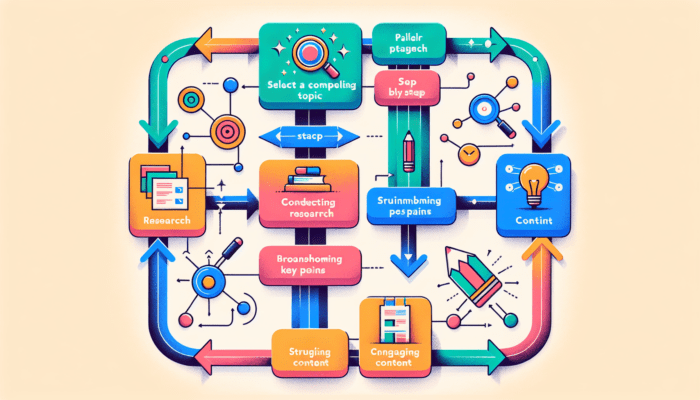
Creating a pillar page involves critical steps such as choosing a core topic, conducting keyword research, and structuring your content to create a pillar page. This guide ensures your pillar page is comprehensive, engaging, and effective for SEO and user experience.
Choosing a Core Topic
The first step in creating a pillar page is selecting a core topic—a particular topic that can be comprehensively covered and serves as the foundation for related topics. The chosen topic should align with your audience’s interests and have the potential for multiple related subtopics. When brainstorming ideas for pillar pages, consider core topics relevant to your website and audience.
Pillar pages should cover the broad topic in depth while linking to more specific cluster content that delves deeper into subtopics. Before creating a pillar page, answer specific questions to ensure the topic’s suitability. Concentrating on one subject at a time avoids confusion and prevents diluting your efforts.
Tools like Topic Research can generate ideas for subtopics related to your core topic.
Conducting Keyword Research
Effective keyword research identifies keywords matching the pillar and cluster page topics, focusing on user intent. After generating an idea for your pillar page topic, use a keyword research tool to find relevant keywords, prioritizing those with high search volume to improve your pillar page's visibility in search results as part of a broader inbound marketing lead generation strategy.
This ensures that your content will rank well in search engine results and attract the right audience.
Structuring Your Content
A pillar page outline should include all cluster page subtopics to ensure comprehensive coverage and logical flow. The pillar page should link to cluster content, which provides more detail on specific subtopics, allowing readers to explore in-depth information as needed. User intent must be considered to optimize content layout and meet reader expectations.
A user-friendly pillar page layout includes clear sections, headings, bullet points, short paragraphs, relevant images, and a table of contents. Incorporating visuals and avoiding text-only articles significantly enhance readability on pillar pages.
When creating a pillar page, it is essential to include internal links to all related cluster pages, and ensure that each cluster page also links back to the pillar page. This reciprocal internal linking strengthens site structure, improves topical relevance, and supports SEO by establishing authority through interconnected content. After the initial outline, review and tweak it for optimal structure and flow.
Writing High-Quality Pillar Content
High-quality pillar content must be comprehensive, engaging, and relevant to the target audience. Effective pillar content clearly defines what the content covers, outlining the main topics and subtopics addressed, and may include helpful resources such as curated collections of links, commentary, and visual elements to support readers. This section covers content strategy for crafting compelling headlines, using visuals and media, and ensuring readability to enhance user engagement and improve SEO performance.
Additionally, pillar pages can generate qualified leads by including strategic calls-to-action (CTAs) that connect to your wider digital marketing services and campaigns.
Crafting Engaging Headlines
To attract readers effectively, headlines should be compelling and reflect the primary focus of the pillar content. Incentives such as exclusive content can encourage subscribers to click through to your pillar page.
Engaging headlines are crucial for drawing readers in and making a solid first impression.
Using Visuals and Media
Using visuals like images and infographics significantly enhances user engagement and comprehension. Visuals enhance user experience by making content more accessible and engaging. Videos can be powerful tools to illustrate complex ideas within pillar pages, improving user retention. Supplementing visuals and media with internal and external resources, including external links to authoritative sites or a broader digital marketing insights blog, further increases the value of your pillar page by providing additional expertise and credibility.
Combining images and videos creates a rich multimedia experience, enhancing overall engagement. Making content visually appealing and easier to understand keeps readers interested and encourages more extended page visits.
Ensuring Readability
Break up text with visual elements instead of presenting large blocks to improve clarity. Formatting techniques like using bullet points can also make information more digestible and encourage reader engagement.
Readability is key to maintaining user interest and improving the overall effectiveness of your pillar page.
Promoting Your Pillar Page

Promoting your pillar page drives traffic and increases visibility. Content marketers often promote pillar pages by curating and sharing other resources relevant to the topic, helping establish the page as a comprehensive reference point. This section covers strategies for leveraging social media, email marketing, and paid advertising to reach a broader audience and achieve its full potential as part of an integrated inbound marketing strategy for lead generation.
Leveraging Social Media
Social media platforms are pivotal in promoting your pillar page and increasing its visibility. Guest posting on other websites is an effective short-term promotion strategy.
Sharing your pillar page on social media engages your target audience and drives traffic to your site.
Utilizing Email Marketing
Email campaigns can effectively share your pillar page by including links and summaries in newsletters. Email marketing shares your pillar page with subscribers, encouraging visits and engagement.
Encouraging subscribers to share the pillar page expands its reach and improves visibility.
Paid Advertising
Paid ads target specific demographics to maximize reach for your pillar page. Retargeting ads re-engage visitors who previously viewed your pillar page. Paid advertising drives targeted traffic to your pillar page, using platforms like Google Ads to boost visibility and reach specific audiences, and should align with your broader strategic, operational, and tactical marketing planning.
Measuring the Success of Pillar Pages

Measuring the success of your pillar pages evaluates their effectiveness and identifies necessary improvements. An important aspect is ensuring that your pages are not competing for the same keywords—a problem known as keyword cannibalization, which is easier to avoid when you use robust competitive intelligence services to understand how your content fits into the wider landscape. Using topic clusters helps prevent pages competing for the same search terms by organizing content around topics rather than individual keywords. This section covers key metrics to monitor, tools for analysis, and the importance of continuous improvement to keep your pillar pages relevant and effective.
Key Metrics to Monitor
Great pillar pages rank well, attract traffic, and generate total clicks from Google Search Console as a primary indicator of SEO success. Monitoring key metrics like average engagement time and the number of keywords your pillar page ranks for is crucial for evaluating its success in search engine results.
Tools for Analysis
Recommended tools for tracking pillar page performance include Google Search Console and Google Analytics. Google Analytics provides insights into user behavior, including traffic sources and engagement rates. These tools enable effective monitoring and analysis of pillar page performance.
Monitoring indexed pages in Google Search Console ensures key content is discoverable. These tools provide a comprehensive overview of your pillar page’s performance and identify areas for improvement, feeding into your overarching business planning and strategy development.
Continuous Improvement
Regularly updating pillar pages based on performance data maintains their relevance and effectiveness. Revisiting your pillar page quarterly and making necessary updates enhances its effectiveness and ensures it meets traffic and engagement goals.
Summary
Summarize the key points discussed in the blog post, highlighting the importance of creating effective pillar pages for improving SEO and user engagement. End with an inspiring phrase encouraging readers to implement these strategies and continuously improve their content marketing efforts.

Frequently Asked Questions
What is a pillar page?
A pillar page acts as a hub page within a clusters and pillar pages strategy, serving as the cornerstone of a topic cluster. It provides a comprehensive overview of a broad topic and links to related subtopic or cluster pages. This interconnected structure not only enhances navigation and content organization for readers but also supports internal linking, establishes topical authority, and improves search engine rankings.
How do topic clusters improve SEO?
Topic clusters enhance SEO by structuring content around a central pillar page, which acts as a hub linking to multiple cluster content pages. These cluster content pages each cover specific subtopics related to the main topic, forming the topic cluster model. This approach helps search engines better understand content relationships, boosts keyword strategy effectiveness, and improves site structure. This organization not only improves discoverability but also encourages higher user engagement.
What types of pillar pages exist?
Pillar pages can be categorized by pillar page type, such as 'what-is' pillar pages (which define concepts and target informational search intent), 'guide' pillar pages (which provide comprehensive overviews or step-by-step instructions), and 'how-to' pillar pages (which focus on actionable processes and often optimize for featured snippets). Each pillar page type serves distinct SEO strategies and addresses different user needs. Selecting the right pillar page type depends on your audience’s needs and overall content strategy.
How can visuals and media enhance pillar pages?
Incorporating visuals and media like images, infographics, and videos can significantly enhance user engagement and comprehension on pillar pages, making the content more accessible and appealing. This integration helps to keep readers interested and facilitates a better understanding of complex information.
What tools can I use to measure the success of my pillar pages?
To effectively measure the success of your pillar pages, utilize tools such as Google Search Console and Google Analytics. These tools offer valuable insights into user behavior, traffic sources, and engagement rates, helping you assess performance accurately.
How can I choose the best topics for my pillar pages?
When selecting a topic, focus on areas where your business offers the most expertise or value. The topic should be broad enough to encompass various subtopics but specific enough to be relevant to your audience. When deciding, consider customer pain points, common questions, and SEO potential.
What metrics should I track to measure the success of a pillar page?
Key performance indicators (KPIs) include organic traffic, dwell time, bounce rate, and the number of backlinks. Tracking conversions from the pillar page to related service or product pages can give insight into its effectiveness as part of your sales funnel.
Can I update my pillar pages over time?
Yes, pillar pages should be updated regularly. As your industry evolves, so should your content. Refresh your pillar pages with new data, industry trends, and additional subtopics to maintain their relevance and SEO value.

Listen to The Asymmetric Marketing Podcast's overview of this article

About the author
Mark A. Hope is the co-founder and Partner at Asymmetric Marketing, an innovative agency dedicated to creating high-performance sales and marketing systems, campaigns, processes, and strategies tailored for small businesses. With extensive experience spanning various industries, Asymmetric Marketing excels in delivering customized solutions that drive growth and success. If you’re looking to implement the strategies discussed in this article or need expert guidance on enhancing your marketing efforts, Mark is here to help. Contact him at 608-410-4450 or via email at mark.hope@asymmetric.pro.