In a digital world where users bounce in seconds and competition is fierce, your website must do more than just look good. It needs to convert. Whether you're running an eCommerce site or a service-based business, the goal is clear: turn visitors into paying customers. This guide will walk you through high-converting website tips and the essential website features every business needs to boost conversion rates, generate leads, and grow revenue.
Introduction to High Conversion Websites
A high conversion website is more than just an attractive digital storefront—it’s a strategic tool designed to maximize the percentage of visitors who complete a desired action, whether that’s filling out a form, making a purchase, or subscribing to a service. The ultimate goal is to turn casual visitors into paying customers, fueling business growth and increasing your bottom line, especially when it is grounded in solid business planning aligned with strategy and informed by asymmetric marketing principles for smaller businesses.
To achieve this, it’s essential to focus on the key elements that influence your website’s conversion rate. This includes understanding user behavior, optimizing for search engine visibility, and delivering a seamless user experience that resonates with your target audience. By aligning your website’s design, content, and functionality with these principles, you can create a high converting website that not only attracts more visitors but also guides them toward meaningful conversions. In today’s competitive landscape, a converting website is a critical asset for any business looking to drive more conversions and achieve sustainable growth.
1. Clear and Compelling Value Proposition
Your value proposition is your first and best chance to capture attention. It should be front and center on your homepage and landing pages, telling site visitors exactly what you offer, why it’s unique, and how it solves their problem. This increases macro conversions like sales and helps with micro conversions—actions like signing up for a newsletter or downloading a guide.
A compelling headline is crucial for grabbing attention and making a strong first impression. Placing a clear, action-oriented headline at the top of your page immediately communicates your core benefits and encourages users to engage further.
When a potential customer lands on your website, your value proposition should align with your business objectives and speak directly to your target audience. Visitors form opinions in roughly 50 milliseconds, so it's vital to communicate your main points clearly and grab attention within the first few seconds. The headline and value proposition should be designed to grab attention and highlight the main points immediately. A strong message keeps users engaged and encourages them to continue their user journey through your site. Mapping and personalizing the customer journey at this stage—potentially using a framework like the Asymmetric Marketing Engine—can significantly improve conversion rates by addressing individual needs and guiding users from initial awareness to post-purchase engagement.
Identifying Your Audience
The foundation of any high converting website is a deep understanding of your target audience. Knowing who your ideal customers are—and what motivates them—enables you to create a website that speaks directly to their needs, preferences, and pain points. Start by conducting thorough market research and analyzing user behavior to uncover what your audience is searching for and how they interact with your site.
Developing detailed buyer personas helps you visualize your target audience and tailor your messaging, design, and content accordingly. For example, if your business serves tech-savvy startups, your website might feature modern visuals, concise copy, and a clear value proposition that addresses their desire for innovation and efficiency. Smaller businesses can also benefit from asymmetric marketing strategies to outmaneuver larger competitors. By aligning your website with your audience’s expectations, you create a more engaging and converting website experience that increases the likelihood of turning visitors into loyal customers.
Defining Your Message
Your website’s message is the heartbeat of your brand—it’s what grabs attention, builds credibility, and drives conversions. To create a high converting website, your message must be clear, concise, and compelling, communicating your unique value proposition in a way that sets you apart from competitors. Following a structured step-by-step marketing planning process ensures that message is aligned with broader business goals. Use action verbs and benefit-driven language to create urgency and encourage users to take the desired action.
Incorporate social proof, such as customer testimonials and case studies, to reinforce your credibility and show real-world results. A consistent tone and voice across your website help guide users naturally toward conversion, whether that’s signing up for a demo, requesting a quote, or making a purchase. By defining your message with intention and clarity, you’ll create a converting website that resonates with your audience and drives measurable business results.
2. Mobile Optimization and Responsive Design

With most website visitors now browsing from mobile devices, your site must be mobile-responsive. Mobile responsiveness ensures your website adapts seamlessly to various screen sizes and devices, maintaining full functionality and improving user experience, which can significantly boost conversions. A mobile-optimized site ensures proper display across all screen sizes and platforms, improving user behavior metrics and reducing bounce rates.
A responsive design is critical to conversion rate optimization, especially when mobile users are ready to purchase. Due to poor design, e-commerce conversion rates on mobile tend to be lower than on desktop. Optimizing your mobile site can lead to better website performance, faster page load times, and, ultimately, much higher purchase intent.
3. Fast Page Speed and Seamless Navigation
Page speed matters. A slow-loading website can frustrate visitors and kill your conversion rates before they even see your offer. Fast-loading web pages ensure your audience doesn’t abandon the process mid-funnel. Fast page load times are crucial; a delay of more than 3 seconds can lead to a 53% user abandonment rate.
Use clean, simple layouts and optimize images to create a user-friendly experience. A simple layout with intuitive navigation makes it easy for users to find options like home, business, enterprise, or education sections, keeping them engaged and reducing friction. Minimize broken links and ensure your website functions well across different platforms and devices to provide a seamless user experience. An intuitive navigation structure helps visitors interact effortlessly with your content and improves conversion funnel performance. Consider a persistent search bar or search feature to help users find what they need quickly, especially on e-commerce websites with numerous product pages.
4. High-Converting Landing Pages
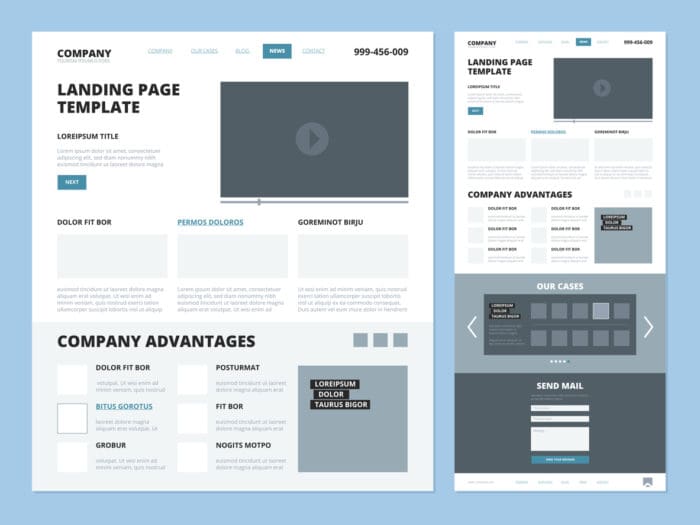
Landing pages are your conversion powerhouses. The best landing pages are visually appealing, use a clear visual hierarchy, and are designed to draw attention to key features and the user's pain point. A visually appealing landing page with a simple layout and focused message is a great example of what drives conversions. In fact, landing pages with video content can increase conversions by 80%. The average landing page conversion rate across industries is only 2.35%, but the top 25% convert at rates of 5.31% or higher. Tracking landing page performance and analyzing user behavior can help optimize conversion rates over time. The best landing pages share key traits: they're simple, focused, and provide clear value. Emphasize addressing the user's pain point and guiding the user's attention with strategic design elements.
A well-designed page tailored to a specific marketing effort or campaign can boost conversions significantly. Aligning your landing pages with broader marketing efforts ensures a cohesive customer journey and maximizes conversions. Focus on one message, one goal, and one call to action (CTA). Remove unnecessary clutter—remember, the best high-converting landing pages are one page with focused intent.
Each landing page should guide site visitors through a clear conversion funnel, using persuasive copy, authentic customer reviews, and strategic CTAs to drive action.
5. Strong Calls to Action (CTAs)
Whether it’s “Buy Now,” “Get a Quote,” or “Subscribe Today,” your calls to action should be impossible to miss. CTAs should use action-oriented, specific language to guide users to the next step. Using contrasting colors for CTAs can draw attention and make them impossible to ignore, significantly increasing clicks. Place CTAs where they naturally align with the user journey—on your homepage, within blog content, on product pages, and especially on the checkout page. Ensure your CTAs are consistent with user expectations in search results to provide a seamless experience. Clear and strategic CTAs can increase conversion rates by over 80%.
CTAs help encourage users to take the next step, which is central to all forms of conversion optimization.
6. Social Proof and Authentic Customer Reviews
Nothing influences purchase decisions more than social proof. Show your success with authentic customer reviews, testimonials, star ratings, and client logos. To build credibility, ensure your testimonials tell stories and include specific results, client logos, and trust metrics. Including social proof, such as customer reviews and testimonials, can significantly influence a person's decision to convert. These trust signals help boost conversion rates by reinforcing your credibility.
Especially in e-commerce sites, where users can’t touch the product, user feedback and detailed product descriptions fill that gap and help drive higher purchase intent.
7. Building Trust and Credibility
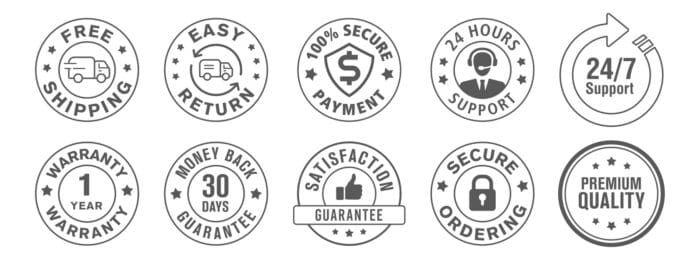
Establishing trust and credibility is a cornerstone of any high-converting website. When website visitors feel confident in your brand, they’re far more likely to become paying customers. One of the most effective ways to build credibility is by prominently displaying trust badges—such as SSL certificates, secure payment icons, and industry certifications—on your landing and checkout pages. These visual cues, along with transparent policies, help build credibility with visitors by reassuring them that their data is safe and that your business is legitimate.
Transparency is equally important. Make your contact information easy to find, clearly state your return and privacy policies, and be upfront about pricing and shipping. Combining these trust signals with authentic customer reviews and other forms of social proof creates a positive user experience that encourages visitors to take action. Building credibility leads to measurable results, such as increased conversion rates and customer loyalty. Studies show that 85% of website visitors trust online reviews as much as personal recommendations, making credibility a key driver in increasing conversion rates. By prioritizing trust and transparency, you’ll boost conversions and foster long-term loyalty.
8. Simplified Checkout Process
If your checkout is clunky, you’re losing sales. A simplified checkout form, minimal steps, and easy payment options ensure website conversions don’t drop off at the final moment. Offering options like 'cancel anytime' can reassure users and reduce friction during checkout, making them more likely to complete their purchase. Avoid overwhelming your users by removing distractions and sticking to the essentials.
High-converting sites use low-friction forms with autofill and guest checkout options to reduce barriers to conversion. Forms with too many fields lead to abandonment; only essential information should be requested.
Conversion rate optimization at this stage is critical, especially when tracking e-commerce conversion rates to improve ROI. A reasonable ecommerce conversion rate typically falls within industry benchmarks of 2% to 4%, but what is considered reasonable can vary depending on factors like device type, industry, and product cost.
9. Quality Visuals and Dynamic Content
People process visuals faster than text. Visual appeal is crucial for keeping users engaged—use high-quality images, consistent color schemes, and interactive elements to create an attractive experience. Incorporating video content, such as explainer videos or dynamic headers, can make landing pages more engaging and persuasive. In fact, landing pages with video can increase conversions by 80%. Providing more detailed information and dynamic content, including testimonials and longer copy, helps users understand your offer’s value and can ultimately help them make more money. Use personalized product suggestions, bullet points, icons, and infographics to enhance scannability and reinforce important messages.
Great visuals also help with organic traffic and SEO, as optimized media files contribute to page speed and overall website data quality.
10. Data-Driven Insights and Analytics Tools
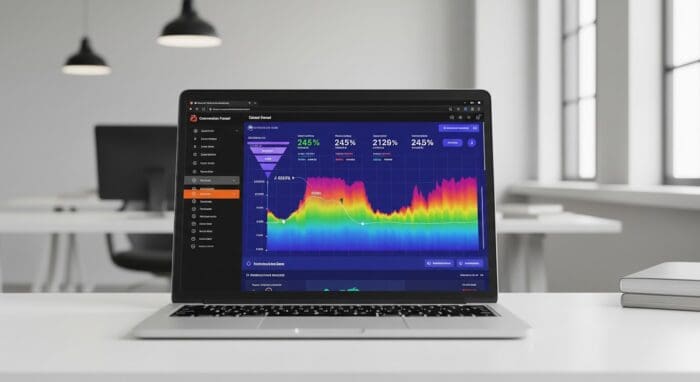
Tracking how visitors interact with your site is non-negotiable. Monitoring your website's conversion rate provides measurable results that inform ongoing optimization. Use data analytics tools to gather actionable insights on user behavior, visitor behavior, and your average conversion rate. These tools help you identify areas for improvement by showing exactly where people drop off, so you can fix weak points and systematically increase conversions. Implementing data science for small businesses and broader data-driven growth marketing strategies is essential for increasing your website's conversion rate, as they allow you to optimize website performance and achieve measurable results.
Measure both macro and micro conversions to see how users engage with different parts of your website, from sign-up forms to blog comments.
The Role of SEO in Converting Websites
Search engine optimization (SEO) is a cornerstone of any high converting website. By optimizing your site for search engines, you increase your visibility and attract more qualified visitors—people who are actively searching for the solutions you offer. Effective SEO involves targeting relevant keywords, creating high-quality, relevant content, and building authoritative backlinks to improve your ranking on search engines, especially when implementing SEO services for Wisconsin businesses.
A well-optimized website not only drives more web traffic but also improves your website’s conversion rate by bringing in visitors who are more likely to take action. For example, ranking highly for industry-specific terms ensures that your site is seen by potential customers at the exact moment they’re ready to engage. Applying SEO principles to your ad campaigns, such as optimizing paid search for e-commerce, further amplifies this effect. By investing in search engine optimization, you create a converting website that consistently attracts, engages, and converts qualified visitors, fueling ongoing business growth.
11. Integrated Lead Generation Features
A high-converting website should be designed for lead generation and include integrated lead generation features to attract qualified leads and nurture them through the funnel. Modern inbound marketing strategies for lead generation align perfectly with this approach. This includes:
- Pop-ups or embedded sign-up forms for email capture—when implemented effectively, pop-ups can generate more leads and increase conversions by offering valuable information to visitors
- Incentives like free downloads, discounts, or webinars
- Smart CTAs that change based on visitor behavior
- Automated email campaigns to recover abandoned carts and increase conversions by reminding customers of pending orders and offering incentives
Following proven conversion tips, such as A/B testing, reducing friction in the user journey, leveraging social proof, and using the right inbound marketing tools to streamline campaigns, can further optimize lead generation and boost website effectiveness.
Additionally, implementing SEO techniques is essential for a high-converting website, as they help attract qualified visitors and leads organically.
These features nurture cold traffic into paying customers and feed into your email marketing and remarketing campaigns.
Creating a Sense of Urgency
Creating a sense of urgency is a proven strategy for increasing conversions and motivating visitors to take immediate action on your website. When users feel that an offer is time-sensitive or in limited supply, they’re more likely to act quickly rather than delay their decision.
12. Avoiding Common Mistakes and Pitfalls
Even the best-designed websites can fail if common mistakes aren’t avoided. One of the biggest pitfalls is neglecting mobile optimization. Since mobile devices now account for over half of all website traffic, failing to cater to mobile users can drastically reduce your conversion rates. Ensure your site is fully responsive and delivers a seamless experience across all screen sizes, and don’t overlook advertising errors such as common Google Ads mistakes that hurt conversions.
Another frequent error is overlooking the power of analytics tools. Without tracking website data and user behavior, it’s nearly impossible to identify what’s working and what needs improvement. Regularly review your analytics to spot trends and address drop-off points in your conversion funnel. Incorporating competitive intelligence services for deeper market insight can further enhance these efforts. Regularly testing different elements of your landing page can help identify what works best for your audience and further optimize for conversions.
Ignoring user feedback is another misstep that can hinder conversion rate optimization. Your site visitors are a valuable source of insights—listen to their suggestions and pain points, and use A/B testing to validate changes before rolling them out. Clear, benefits-driven page content that directly addresses the user's primary pain point helps avoid confusion and guides visitors toward specific actions, increasing conversions. You’ll set your website up for higher conversion rates and ongoing success by staying proactive and avoiding these common pitfalls.
13. Best Practices for Conversion Optimization
To truly excel at conversion optimization, it’s essential to follow proven best practices that address user experience and business goals. Implementing key features such as intuitive navigation and personalized content can help achieve a good conversion rate. Partnering with a full-service digital marketing agency can also ensure that these elements are aligned with a broader strategy. Start with a responsive design that adapts flawlessly to all screen sizes and devices—this is especially crucial for e-commerce websites, where mobile users expect a smooth shopping experience. High-quality images and detailed product descriptions are also vital. They help potential customers visualize your offerings and build trust, which can significantly increase conversions. Don’t overlook your website’s functionality: optimize page load times, streamline navigation, and ensure your checkout process is as simple as possible.
A/B testing can double or even triple your conversions by helping you identify which elements of a website perform better. Framing these experiments within a strategic model like the Asymmetric Marketing Engine for small businesses ensures that improvements compound across the entire customer journey. Top performers hit conversion rates of 10% or more, setting a benchmark for what a high converting website can achieve.
Finally, conversion optimization should be made an ongoing process. Continuously monitor website data and user behavior to identify new opportunities for improvement. By implementing these best practices, you’ll create a website that attracts visitors and converts them into loyal customers, driving sustainable business growth.
Final Thoughts: How to Increase Website Conversions in 2025 and Beyond
To boost conversions and drive real growth, every element of your site—from its web design to its conversion funnel—must work harmoniously. It’s not just about having a digital presence anymore. It's about conversion rate optimization that turns your site visitors into leads and your leads into customers.
At Asymmetric Applications, we specialize in designing high-converting websites tailored to your business goals. For local organizations, our web design services in Madison, WI deliver custom solutions that align with your market. Whether you need better landing pages, faster performance, or a more innovative approach to lead generation, we’re here to help.
Ready to convert more of your traffic into revenue? Check out the Asymmetric Blog and explore Mark Hope’s strategic marketing insights for expert guidance and practical tips, and let’s build a website that works harder for your business.
Contact Asymmetric Applications today.

FAQs: High Converting Website Tips
What is a reasonable website conversion rate?
A reasonable website conversion rate varies by industry, but most fall between 2% and 5%. However, many websites see rates well above average with strategic design, strong CTAs, and clear messaging.
Why is mobile optimization so crucial for conversions?
Over 50% of web traffic comes from mobile devices; users expect fast, responsive experiences. A mobile-optimized site reduces bounce rates and improves the likelihood of users completing actions like purchases or form fills.
How can I increase conversions without a complete website redesign? (High Converting Website Tips)
Focus on small, high-impact changes: improve your CTA copy and placement, speed up page load times, simplify your checkout process, and add trust signals like reviews or badges.
What are the most essential pages to optimize for conversions?
Start with your homepage, landing pages, product or service pages, and checkout flow. These are typically where users make key decisions and can significantly impact your conversion funnel.
How do I know if my website is underperforming?
Use tools like Google Analytics, Hotjar, or Clarity to track bounce rates, time on page, drop-off points, and conversion funnels. If users aren’t converting or are exiting early, it’s time for optimization.

Ready to Revolutionize Your Email Marketing?
Transform your digital communication strategy with targeted, effective email list building. Whether you aim to increase engagement, drive sales, or build lasting customer relationships, our expert team at Asymmetric Marketing is here to guide you.
Get Started Today:
📅 Schedule a Consultation: Explore tailored email marketing strategies for your business. Book Now
📚 Learn More: Discover advanced email list-building techniques. Explore More
Take the next step towards meaningful digital connections. Let's amplify your marketing potential together!
Mark Hope
Partner, Asymmetric Marketing
📧 mark.hope@asymmetric.pro
📞 (608) 410-4450

About the author
Mark A. Hope is the co-founder and Partner at Asymmetric Marketing, an innovative agency dedicated to creating high-performance sales and marketing systems, campaigns, processes, and strategies tailored for small businesses. With extensive experience spanning various industries, Asymmetric Marketing excels in delivering customized solutions that drive growth and success. If you’re looking to implement the strategies discussed in this article or need expert guidance on enhancing your marketing efforts, Mark is here to help. Contact him at 608-410-4450 or via email at mark.hope@asymmetric.pro.