

Designing a business logo may seem simple initially, but creating a logo that reflects your brand and stands the test of time is no small feat. Many small businesses fall into the trap of making the same logo design mistakes—often resulting in bad logo design—that can hinder recognition, damage credibility, and weaken their overall brand identity. A common mistake is ignoring the target audience, which often leads to a logo that fails to connect and resonate with potential customers.
To help your company make a lasting first impression, here are some of the biggest mistakes in logo design—and what you can do to avoid them during the design process.
Introduction to Logo Design

Logo design is at the heart of building a strong brand identity. A good logo does more than just look appealing—it creates a memorable first impression and helps your business stand out to potential customers. A logo should also reflect your company's identity and communicate your brand's values, ensuring it aligns with your core principles and mission.
The logo design process involves more than just picking colors and shapes; it’s about crafting a professional logo that communicates your brand’s values and personality at a glance. The very purpose of a logo is to clearly reflect your company's identity and purpose, making it instantly recognizable and meaningful to your audience. Before designing, it is essential to outline your brand's core values and mission to ensure your logo communicates them effectively. By focusing on the essential elements of good logo design—clarity, memorability, and adaptability—you can create a visual identity that supports your business goals and leaves a lasting mark on your customers. Remember, the very purpose of your logo gets defeated if it's too complex, as your audience has to struggle to understand the meaning behind it. Whether starting from scratch or refreshing your existing logo, investing in thoughtful logo design is crucial in building a brand that resonates and endures.
Understanding Brand Identity
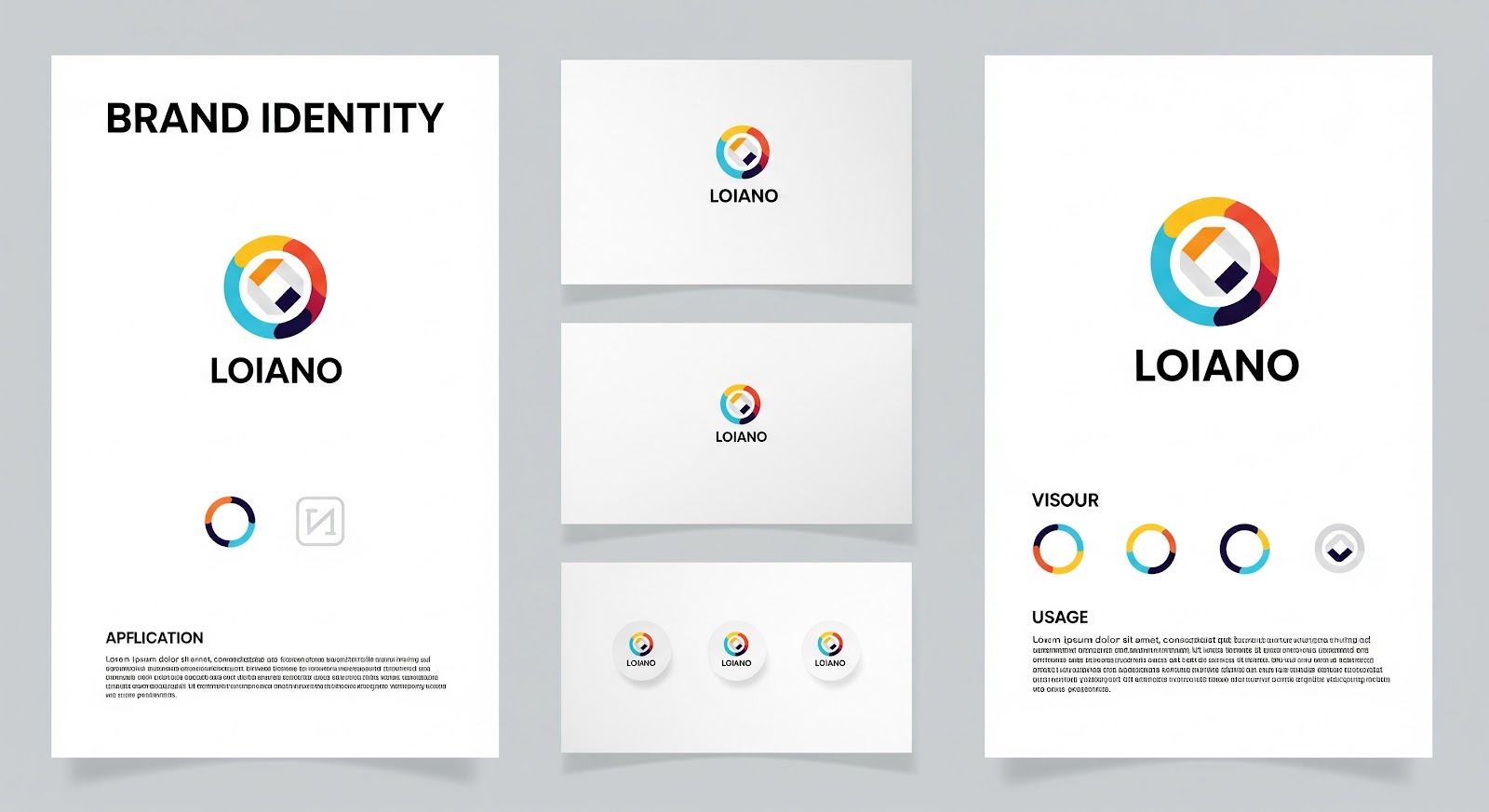
A company’s brand identity is the visual and emotional expression of its core values, mission, and personality. At the center of this identity is the company logo, which serves as the most recognizable symbol of your business. But brand identity goes beyond just the logo—it includes your color palette, typography, and all marketing materials that shape how customers perceive your brand.
To create a compelling brand identity, it’s essential to understand your target audience and the industry landscape. This means researching current design trends, analyzing what competitors are doing, and identifying what makes your business unique. Creating a unique mark that stands out from competitors is crucial for ensuring your logo is distinctive and memorable. Graphic designers use this information to develop a visual representation that captures your brand’s essence and appeals to your ideal customers. By thoughtfully combining elements like color, typography, and imagery, you can create a logo and brand identity that looks professional and builds trust and recognition in the marketplace.
To avoid creating a generic logo, businesses should conduct thorough research on competitors and ensure their design genuinely represents their brand's values and vision.
The Design Process
The logo design process is a journey that transforms ideas into a professional logo that embodies your brand identity. It starts with in-depth research into your company, industry, and target audience to pinpoint the key elements that should be reflected in your logo, such as relevant symbols, icons, and font styles. It's crucial to focus on developing your own logo design—one that is original, not copied from others, and truly represents your unique brand identity.
Next comes the creative phase, where designers sketch ideas and experiment with different concepts, color palettes, and typography. This stage explores possibilities and refines the strongest ideas into a cohesive design. Once a promising concept emerges, testing the logo in different formats and sizes is essential to ensure it remains clear and compelling, whether on a business card or a billboard.
Seeking feedback is a vital part of the design process. Sharing your logo with colleagues, customers, or professional designers can reveal insights and help you spot any issues before finalizing the design. For example, showing your logo to a group of people may highlight readability problems or unintended associations that you might have missed. By following a structured process and being open to input, businesses can create a visually appealing logo that reflects their brand.
Mistake #1: Overcomplicating the Design
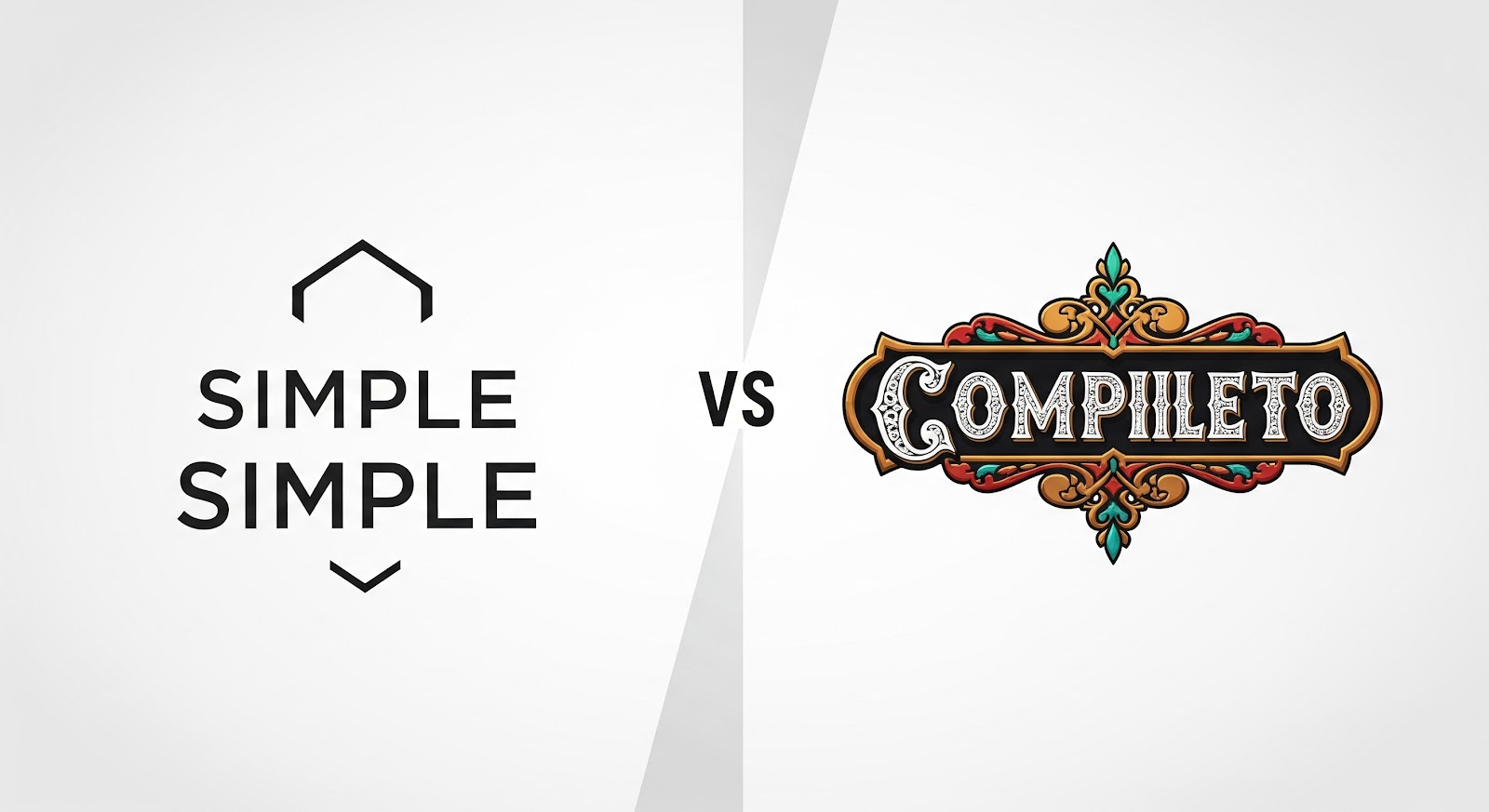
One of small businesses’ most significant mistakes is trying to do too much. Logos with too many elements, colors, or font styles can quickly become cluttered and confusing—a classic example of a complex design. Overcomplicating the design with too many elements, colors, or intricate details can make a logo visually overwhelming and difficult to reproduce across different mediums.
A good logo should be clean, easy to understand, and versatile across different media—from business cards to websites to signage. Complex logos do not scale well and can look messy on mobile devices or social media, making simplicity a key factor in effective logo design. Too much detail makes it harder to scale and weakens its impact, as logos with too many small details may become illegible when resized. Avoid making your logo overly detailed, as this can reduce recognizability and make it less effective at smaller sizes.
Tip: Keep it simple. The very purpose of your logo gets defeated if it's too complex, as your audience has to struggle to understand the meaning behind it. Use one or two fonts, a limited color palette, and a transparent icon or wordmark that communicates your core message at a glance. Pay attention to small design details, as these can distinguish between a professional look and a chaotic one.
Mistake #2: Following Trends Too Closely
While staying aware of design trends is helpful, blindly following them can make your logo feel generic or outdated in just a few years—a huge mistake that can negatively impact your brand’s perception and longevity.
When creating a new logo, it’s essential that it is timeless and original, not just trendy. Timeless logos, like those of Apple or Nike, avoid overused shapes, icons, or typefaces that don’t align with your brand’s mission or tone. Remember, designing a logo purely based on current trends can lead to a logo that appears outdated in just a few years, so it's important to focus on timeless design principles instead.
Tip: Focus on creating a logo that reflects your brand values and long-term goals rather than chasing what’s popular now. Look to timeless logos as examples of enduring and effective design.
Mistake #3: Not Designing for Versatility: One of the Most Costly Logo Design Mistakes
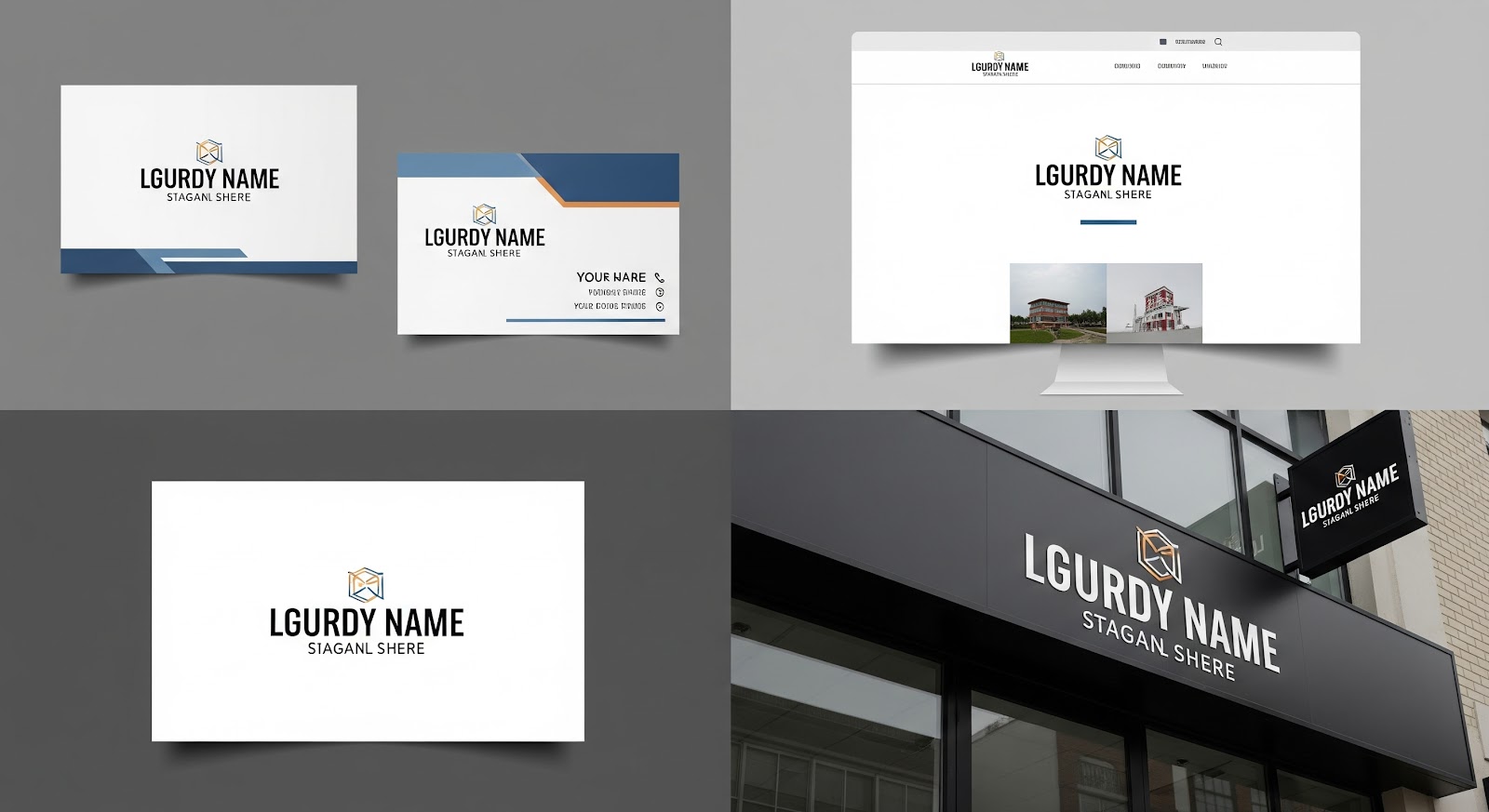
A logo should look as strong in black and white as in full color. One of the more common mistakes is designing a logo that only works in one format or falls apart at small sizes. It's essential that your logo functions well across different mediums, such as print, digital, and social media. Logos must work across different mediums — from business cards to websites and social media, which requires a focus on simplicity and clarity.
Your logo must adapt to various sizes, whether it is printed on marketing materials, uploaded to your website, or printed on packaging. Be sure to test your logo at both banner size and stamp size to ensure it maintains readability and visual impact across all applications.
Tip: A great logo should look just as good on a business card as it does on a billboard, which requires a design that remains recognizable and effective at any scale. Test your logo in different formats and at various sizes—from large banners to business cards and even stamp size—before finalizing it to ensure it remains clear and consistent across all branding assets. Design in vector format (using tools like Adobe Illustrator) to ensure scalability without losing quality. A versatile logo will maintain its effectiveness and recognition across different media.
Mistake #4: Skipping Professional Input

Some small business owners try to cut corners by using free online generators or designing their logos without experience. While DIY might seem cost-effective, it often leads to amateurish results and bad logo design.
Designing a logo requires more than creativity—it demands a solid understanding of typography, visual balance, and how your brand is perceived as you work to build long-term brand loyalty. A professionally created logo is not just a visual element but a symbol of your brand’s identity and mission.
Tip: Work with a professional graphic designer or experienced marketing agency partner or branding expert. Even if it’s just for feedback on your final design, an outside perspective can help avoid costly missteps. Hiring a professional designer can help you avoid common logo design mistakes, as they are familiar with design principles and can create a logo that effectively represents your brand.
Mistake #5: Forgetting the Target Audience
Designing something you love is easy, but your logo isn’t for you. It’s for your target audience and potential customers.
If your logo doesn’t resonate with the people you’re trying to reach, it fails, regardless of how creative or cool it looks.
Tip: Think about how your logo will be interpreted. Does it align the design elements—such as fonts, colors, and style—with your brand's personality, core values, and voice to appeal to your ideal customer? Seek input and test before launching.
Mistake #6: Neglecting Scalability and Readability
A single logotype that looks fine on a website header may fail when reduced to size for social media icons or product tags. Ensuring your logo is clear, simple, and recognizable as a single logotype is crucial for building a cohesive brand identity.
Neglecting scalability and readability is a common pitfall for small businesses that want to look professional but lack practical execution.
Tip: Avoid fine detail, intricate lines, and complex fonts. Ensure your logo is legible and recognizable at any size. To ensure readability, pay close attention to font selection and test your logo across multiple platforms and devices to maintain clarity. Using vector graphics for logo design allows for easy resizing without losing quality, which is essential for maintaining clarity across different applications. Unlike raster images, which can pixelate when scaled, vector graphics ensure your logo remains sharp and professional at any size.
Choosing the Right File Formats and Preparing Your Logo for Use Everywhere
When it comes to logo design, one of the most overlooked—but crucial—steps is ensuring your logo is ready for every possible use. A good logo isn’t just about how it looks on your website; it needs to be versatile enough to shine on everything from a business card to a billboard, across digital and print, and even as a tiny social media icon.
To achieve this, start by working with a professional designer who can provide your logo in the right file formats. The gold standard for a well-designed logo is a vector file—such as SVG or EPS. Vector graphics are essential because they can be scaled to any size without losing quality, making them perfect for print materials, large banners, and any situation where crisp, clean lines matter.
But that’s not all. You’ll also need raster files like PNG or JPEG for digital use, such as your website, email signatures, and social media profiles. PNG files are especially useful because they support transparent backgrounds, allowing your logo to look great on any color scheme. Make sure these files are optimized for web use, so your site loads quickly and your brand always looks sharp.
Don’t forget about the details that make your brand identity consistent and professional. Prepare your logo in different color modes—RGB for digital, CMYK for print—to ensure your colors stay true across all mediums. Create specific versions for favicons, social media icons, and branded templates like business cards and letterheads. This attention to detail helps your brand personality come through, no matter where your logo appears.
A common logo design mistake is relying too much on current trends or using generic logos that don’t translate well across different formats. Avoid using too many elements or too many typefaces, which can make your logo complex and hard to read, especially at smaller sizes. Instead, stick to one or two typefaces that reflect your brand’s core message and keep your design visually appealing and memorable for your customers.
By preparing a full suite of logo file formats and thinking strategically about where and how your logo will be used, you’ll avoid common mistakes and ensure your brand stands out everywhere. Remember, your logo is not just a graphic—it’s the identity symbol of your company. Investing in quality logo design and proper file preparation will help your business create a strong, cohesive brand identity that resonates with your target audience and stands the test of time.
Ensuring a Timeless Logo
A timeless logo remains relevant and practical for years, regardless of changing design trends. To achieve this, focus on creating a simple yet distinctive design that captures the essence of your brand. Simplicity is key in logo design; think of timeless logos like Apple or Nike. Consider the icon's characteristics—ensure the icon reflects your brand’s personality, traits, and visual symbolism. Avoid trendy elements that may look dated in a few years; prioritize clarity and uniqueness.
Look at the Apple logo or Nike’s swoosh—these are classic examples of logos that have stood the test of time. Their strength lies in their simplicity and in embodying the brand’s core values. All the established brands, such as McDonald's, FedEx, and other established brands, use iconic, simple logos that are highly recognizable and build brand loyalty. When creating a logo, concentrate on the fundamental elements that make your business unique, and ensure the design is versatile enough to work across various formats and sizes. By doing so, you’ll create a logo that stands out today and continues to represent your brand effectively well into the future.
Designing for Success

Designing a successful logo means going beyond aesthetics to truly understand your brand identity, target audience, and industry, and how your visual identity will support broader growth marketing strategies. The goal is to create a unique, memorable, and versatile professional logo—a unique mark that communicates your brand’s values and personality at a glance.
Start by following a structured design process, from research and brainstorming to testing and seeking feedback. Make sure your logo is simple, avoiding too many elements that can clutter the design. Be aware of the most common mistakes in logo design, such as using generic symbols or overcomplicating the layout. Use vector format to ensure scalability across different sizes and media. Test your logo in various formats to guarantee readability and impact, whether it appears on a website, business card, or large signage.
A successful logo is also timeless, steering clear of fleeting design trends in favor of an enduring look. Investing in a skilled designer ensures that your logo is not only visually appealing but also aligned with your brand's mission and goals. By investing the time and effort to create a well-crafted logo, your business can build a strong brand identity that stands out in the marketplace and attracts potential customers for years to come.
Final Thoughts
Avoiding these logo design mistakes—and steering clear of bad logo design—can significantly affect how customers perceive your brand identity. There are several common mistakes to avoid in the logo design process to ensure your brand stands out for the right reasons. Your logo isn’t just a graphic—it’s your company’s visual representation, your first impression, and a key part of how you connect with your audience.
A great logo design is simple, memorable, and scalable. When you pick colors, remember that understanding color psychology is crucial: colors have their own psychology, influencing how audiences perceive a brand. For example, blue conveys trust and professionalism, while red expresses energy and urgency. Choosing the wrong colors for a logo can send mixed signals to your audience and negatively impact brand perception. Avoid using too many colors, as this can create a cluttered, messy appearance—limit your palette to three colors for a clean, professional look. Always consider the emotions and associations colors evoke, as this can significantly affect your brand identity. Also, ensure your logo works in black and white to maintain versatility and effectiveness across different formats. There are many approaches to creating effective logo designs, and refining logo designs through feedback and iteration is essential. It communicates who you are and stands firm on various platforms. A well-crafted logo should grab attention and engage potential customers. Additionally, a well-designed logo sends a strong message about your brand and its values.
Let me know if you’d like help drafting a logo design checklist, reviewing before-and-after logo redesigns, or creating a brand identity style guide. Not only that, but maintaining logo consistency builds trust and recognition with your audience.

Frequently Asked Questions (FAQ) About Logo Design Mistakes

Ready to Transform Your Brand Identity?
Transform your business with professional logo design and strategic digital marketing services and brand identity development. Whether you aim to create a memorable first impression, build brand recognition, or establish credibility in your market with a high-impact website, our expert team at Asymmetric Marketing’s web design services is here to guide you.
Get Started Today:
📅 Schedule a Consultation: Explore tailored logo design and branding strategies for your business. Book Now
📚 Learn More: Discover advanced brand identity development techniques and explore our broader Asymmetric Marketing blog resources. Explore More
Take the next step towards building a powerful brand presence by aligning your visual identity with a clear step-by-step marketing planning process. Let's amplify your business potential together!
Mark Hope
Partner, Asymmetric Marketing
📧 mark.hope@asymmetric.pro
📞 (608) 410-4450

About the author
Mark A. Hope is the co-founder and Partner at Asymmetric Marketing, an innovative agency dedicated to creating high-performance sales and marketing systems, campaigns, processes, and strategies tailored for small businesses. With extensive experience spanning various industries, Asymmetric Marketing excels in delivering customized solutions that drive growth and success. If you’re looking to implement the strategies discussed in this article or need expert guidance on enhancing your marketing efforts, Mark is here to help. Contact him at 608-410-4450 or via email at mark.hope@asymmetric.pro.