
Understanding Conversion Rates

Conversion rates are a crucial metric for measuring the success of a website. The average conversion rate varies depending on the industry, target audience, and conversion goal, but a reasonable conversion rate can range from 2% to 5%. To calculate the conversion rate, divide the number of conversions by the total number of visitors and multiply by 100. For example, if a web page had 17 sales and 500 visitors, the conversion rate would be 3.4%. Improving conversion rates allows for increased sales from existing traffic, enhancing overall business profitability without additional ad spend.
Understanding conversion rates is essential for identifying areas for improvement and optimizing the website for better performance. Conversion tracking is a key method for evaluating your website's performance, as it provides the data needed to measure success and identify opportunities for growth. By regularly monitoring your conversion rates, you can gain valuable insights into how well your website is performing and where there may be opportunities for enhancement. This knowledge allows you to make informed decisions that can lead to higher conversion rates and, ultimately, greater success for your business
Why Your Website Isn’t Converting
Many websites lose potential customers because of:
- Overwhelming visitors with too much information
- Confusing layouts or poor intuitive navigation
- Weak value proposition
- Slow load times
- Missing or unclear call to action (CTA)
- Attracting the wrong users who are not part of your target audience, which reduces engagement and conversion rates
A low conversion rate might indicate a poor user experience, so it's important to investigate and uncover user pain points. Analyzing visitor behavior using tools like heatmaps and analytics can help identify friction points and maximize conversions by improving site performance and aligning your content with the needs of the right users.
Your goal is to convert visitors into customers, leads, or subscribers. That means every part of your web design should be crafted with that conversion goal.
Understanding User Behavior
Understanding user behavior is at the heart of effective website conversion rate optimization. By analyzing how users interact with your site—where they click, how far they scroll, and which pages they linger on—you can uncover valuable insights into what’s working and what’s causing friction. Tools like Google Analytics, heatmaps, and session recordings allow you to visualize conversion paths and pinpoint pain points that may be preventing visitors from becoming paying customers.
For example, session recordings can reveal if users are abandoning a form halfway through or getting stuck on a confusing navigation menu. By identifying these obstacles, you can make targeted improvements that boost conversions and create a smoother user experience. Additionally, understanding user behavior enables you to develop deeper business insights from customer data, craft personalized content, and tailor calls-to-action that resonate with your audience, making it easier to convert visitors into loyal customers. Ultimately, the more you know about how users interact with your website, the better equipped you are to optimize every step of their journey.
Creating a Target Audience Profile
A well-defined target audience profile is the foundation of any successful conversion rate optimization strategy. Knowing exactly who your ideal customer is—what motivates them, what challenges they face, and what solutions they seek—allows you to create a website experience that speaks directly to their needs. Start by gathering data on your target audience’s demographics, interests, and online behaviors using tools like social media analytics and customer surveys.
Once you understand your audience’s pain points and preferences, you can tailor your marketing strategy, website content, and design to address their specific needs by first answering essential marketing planning questions. This personalized approach not only increases the likelihood of conversions but also helps build trust and loyalty, turning visitors into paying customers. For instance, if your audience values quick access to information, streamline your navigation and highlight key benefits on your landing pages. By aligning your website with your target audience’s expectations, you’ll see a measurable improvement in your conversion rate and overall business growth.
Key Elements of a High-Converting Website
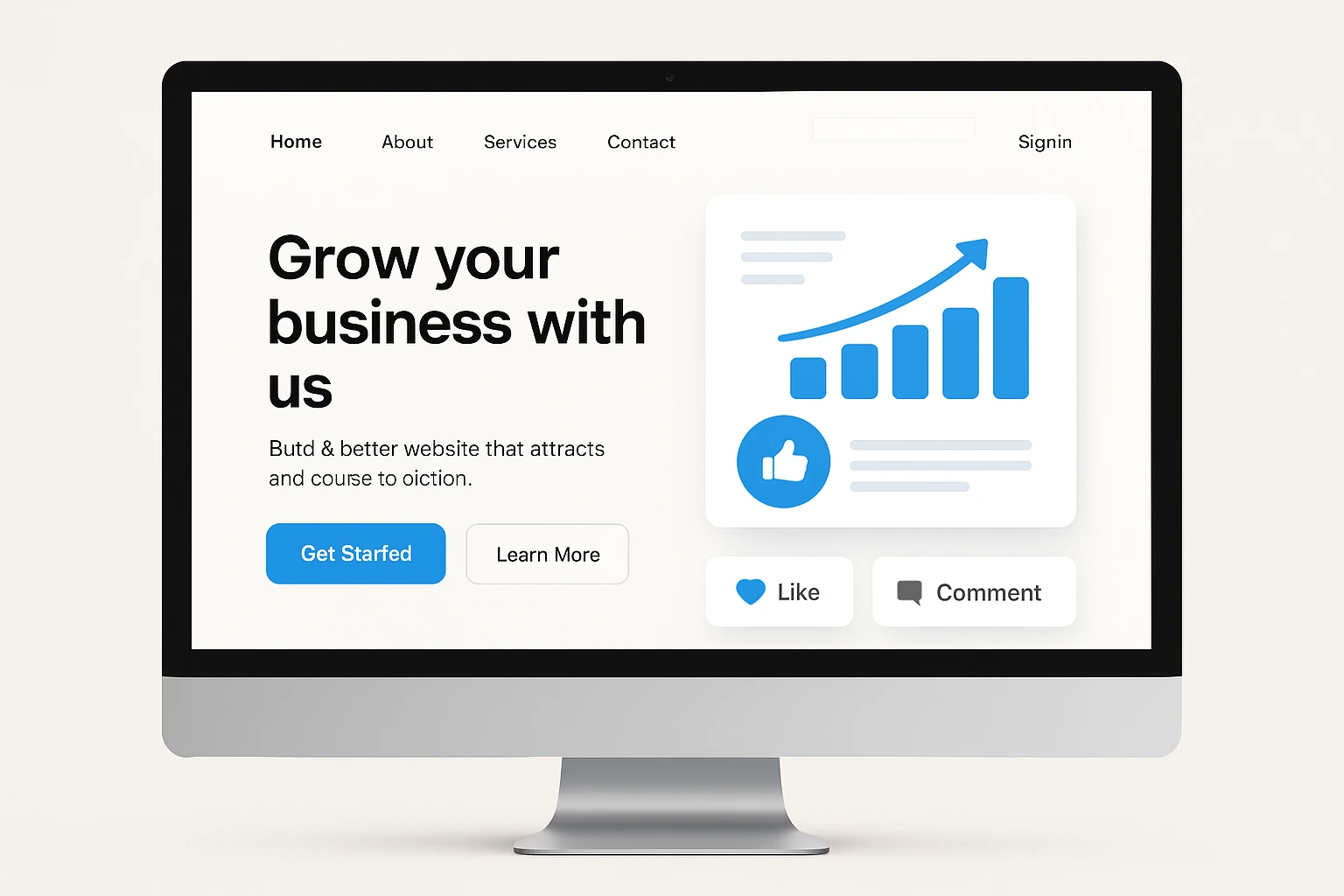
To maximize website conversion, it's essential to identify and optimize key pages and individual web pages, ensuring users engage with the most important content and actions by following proven website optimization best practices. Incorporating high-quality visuals and videos throughout your site not only engages users but also builds trust, both of which are critical for improving conversion rates.
1. A Clear Value Proposition
Your website needs to immediately tell visitors what you offer and why it matters by presenting a compelling offer. This messaging should be:
- Simple
- Benefit-focused
- Prominently displayed
Strong value propositions keep users engaged and reduce bounce rates.
2. High-Converting Landing Pages
Landing pages are the backbone of any conversion-focused website. They are purpose-built to guide users to take a specific action.
A high-converting landing page typically includes:
- Compelling headlines
- Persuasive copy
- A single, focused CTA such as sign up forms, contact form, free demo, or newsletter sign ups
- Customer testimonials or other social proof
- Clean, user-friendly design with ample white space
Optimizing sign up forms and newsletter sign ups by simplifying them and reducing the number of fields can significantly increase the likelihood of users completing them. Using exit-intent popups is also an effective way to capture user interest and encourage sign ups before visitors leave the landing page, and these tactics fit naturally within broader growth marketing strategies that focus on acquisition, retention, and long-term revenue.
3. Optimized Calls to Action
Your CTA buttons should:
- Stand out from the rest of the page: To optimize conversion rates, make your CTA buttons stand out by using contrasting colors and strategic placement.
- Use clear, actionable language
- Appear in strategic places across the site
- Be designed to maximize conversions and attract customers by making the next step obvious and enticing
Incorporate urgency and scarcity tactics, such as countdown timers or limited-time offers, to prompt users to act quickly.
Don’t leave users guessing about the next step—guide users with bold CTAs and persuasive microcopy.
Conversion Rate Optimization (CRO) Best Practices
Conversion rate optimization is a continual, data-driven process. It involves implementing conversion rate optimization strategies that are aligned with your specific conversion goals—such as sales, sign-ups, or downloads—to drive more conversions from the traffic you already have, ideally within a structured Asymmetric Marketing Engine that connects your customer journey, funnel, and flywheel. A key part of this process is conversion tracking, which allows you to measure website performance and optimize your marketing strategies based on real success metrics. Using analytics tools to review engagement metrics can help identify poorly converting pages and remove friction points in the customer journey.
Try These CRO Techniques:
- Use A/B testing to compare different headlines, color schemes, and layouts
- Leverage analytics tools like Hotjar, Mixpanel, and Google Optimize to track behavior and gather user insights. Combine session replays, heatmaps, and customer feedback to identify UX issues, friction points, and opportunities for improvement.
- Monitor micro conversions—such as newsletter signups, downloads, or adding items to a cart—as early indicators of user engagement and steps toward your main conversion goals.
- Review session recordings to see how users interact with your site and where visitors drop off, helping to identify blockers in the user journey.
- Use heatmaps to visualize where users spend the most and least time on low-converting pages, uncovering points of friction.
- Collect user feedback to gain quantifiable insights into the customer experience and highlight areas for improvement.
- Optimize your pricing page and product pages for user engagement
- Simplify your navigation to guide users toward your conversion goal
- Craft a privacy statement that instills confidence in visitors on lead generation pages
Data-backed optimizations are the key to improving website conversion rate over time.
Don’t Forget About Design
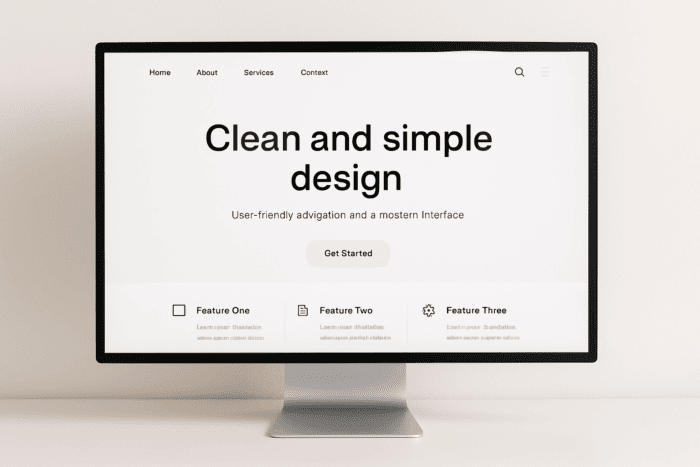
A great website’s design doesn’t just look good—it improves user experience and converts. Make sure your website’s design supports your goals. Website speed is a critical factor in website conversion; slow loading times can significantly decrease visitor retention and conversion rates. Optimize website speed and performance to ensure swift loading times and reduce bounce rates. With over 70% of e-commerce traffic now coming from mobile devices, it’s essential to prioritize mobile-optimized design. Ensure your site is fully mobile responsive to provide a seamless experience across all devices and maximize conversion rates, or partner with a Madison web design company that can handle these technical details for you.
Tips for Better Web Design:
- Use consistent branding and color psychology
- Keep your layout clean and uncluttered
- Add visuals that support your message
- Highlight key features that address user pain points
For mobile devices, ensure a responsive design and mobile-responsive pages load quickly and offer a seamless user experience.
Effective web design converts visitors into customers by incorporating visually appealing design, user-friendly navigation, clear value propositions, noticeable call-to-actions, and fast load times.
Removing Distractions and Improving Navigation
Removing distractions and improving navigation are crucial for creating a high-converting website. A clean design and intuitive navigation can help guide visitors through the website, increasing the chances of conversion. By removing unnecessary elements and simplifying the navigation, businesses can create a seamless user experience that encourages visitors to take the desired action, especially when working with Madison, WI website design experts who understand local market needs.
To maximize conversions, it’s important to highlight key pages—such as checkout or sign-up pages—within your navigation and site structure. Optimizing individual web pages through A/B testing, simplifying content, and ensuring clear access to primary actions can further improve user experience and drive more conversions. Additionally, displaying transparent costs early in the checkout process is crucial to prevent cart abandonment due to unexpected fees.
Key strategies for achieving this include effective use of white space, a clear and concise layout, and a mobile-friendly website design. A clutter-free design helps visitors focus on the most important elements, such as your value proposition and call to action, while also supporting SEO lead generation efforts by making content easier to discover and engage with. Intuitive navigation ensures that users can easily find the information they need, reducing frustration and increasing the likelihood of conversion.
Use Social Proof to Build Trust
Trust is essential to conversions. Social proof helps reassure new visitors that others trust you, too. Leverage social proof by prominently displaying customer reviews and security badges near decision points—these elements can reduce checkout anxiety and improve conversion rates. By giving visitors a more immersive and appealing online experience, you can enhance user experience and increase conversion rates.
Ways to Add Credibility:
- Customer testimonials
- Star ratings and reviews
- Case studies
- Trust badges (SSL, security seals, payment methods)
- Best examples of high-performance websites, such as Rookwood and Skillshare, that effectively convert visitors into customers
This adds more credibility to your site and increases users' chances to take action.
Using Google Analytics for Optimization
Google Analytics is an indispensable tool for anyone serious about improving their website’s conversion rate. By tracking key metrics such as conversion rate, bounce rate, and average session duration, you gain a clear picture of how users behave on your site and where they drop off in the conversion paths. Setting up goals in Google Analytics allows you to monitor specific actions—like form submissions or product purchases—and see which pages or campaigns are driving the most conversions.
Beyond basic tracking, Google Analytics offers advanced features like A/B testing and multivariate testing, enabling you to experiment with different headlines, layouts, and calls-to-action to see what resonates best with your audience. By analyzing user behavior and conversion data alongside structured competitive intelligence insights, you can make informed decisions that boost conversions and enhance your website’s performance. Regularly reviewing these key metrics ensures your optimization efforts are always data-driven and focused on what matters most: turning visitors into customers.
Measure and Improve Continuously

If you’re not measuring, you’re guessing. Conversion tracking and tracking conversions are essential for accurately measuring your website's performance and understanding how visitors interact with your site. Track your metrics using Google Analytics or tools like Hotjar and Mixpanel.
Monitor:
- Click-through rates
- Drop-off points
- Session duration
- Page performance
- Financial data
Tracking conversions provides actionable insights that can refine marketing strategies and improve return on investment (ROI). Use this data to drive continuous improvement, systematically improve conversions, and uncover actionable insights.
Testing and Deployment
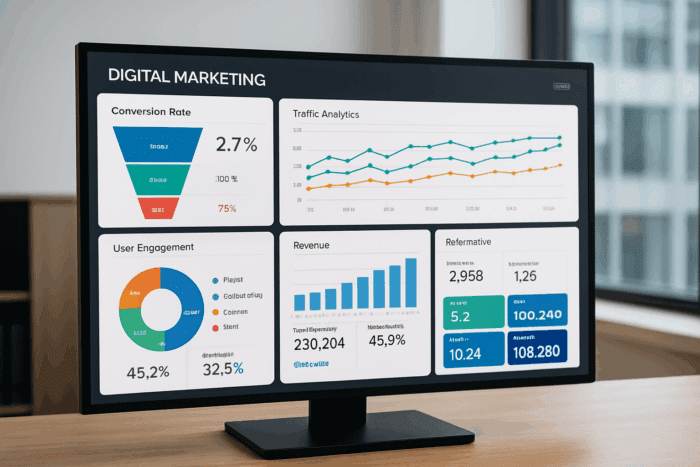
Testing and deployment are critical steps in the conversion rate optimization process. By testing different elements of the website, such as the headline, CTA button, and layout, businesses can identify what works best for their target audience. A/B testing and multivariate testing can be used to test different variations of the website, and the results can inform design and optimization decisions.
Implementing conversion rate optimization strategies should be viewed as an ongoing process to continually improve conversions. Once the testing is complete, the optimized website can be deployed, and the results can be monitored and analyzed to ensure that the changes positively impact conversion rates. Continuous testing and optimization are essential for ensuring that the website remains optimized and continues to drive conversions. By regularly reviewing performance data and making necessary adjustments, and aligning those actions with a broader strategic business planning framework, you can maintain a high-converting website that consistently meets your business goals.
Avoiding Common Optimization Mistakes
Achieving a high website conversion rate requires more than just implementing best practices—it’s also about avoiding common pitfalls that can undermine your efforts. One frequent mistake is neglecting mobile responsiveness. With more users browsing on mobile devices, a site that isn’t optimized for smaller screens can lead to a poor user experience and lower conversions. Another misstep is relying on generic or unclear calls-to-action, which fail to motivate your target audience to take the next step.
Additionally, overlooking the importance of tracking and analyzing key metrics like conversion rate and bounce rate can leave you blind to areas needing improvement. Without this data, it’s difficult to optimize your website’s performance or understand how users interact with your content. To maximize your website conversion rate, focus on delivering a seamless user experience across all devices, crafting personalized content, and using targeted marketing planning strategies that speak directly to your audience’s needs. By steering clear of these common mistakes, you’ll be well-positioned to drive more conversions and achieve your business goals.
Bonus Tip: Avoid Cart Abandonment
If you’re in eCommerce, cart abandonment is a silent conversion killer. Combat it with:
- Clear shipping and return policies
- Mandatory guest checkout, which can significantly reduce cart abandonment rates by allowing first-time buyers to complete purchases without creating an account
- Exit-intent popups to capture interest before users leave the site
- Reminder emails
Every interaction on your site should push users closer to your conversion goal. Enhancing these elements can significantly boost online sales by transforming visitors into customers and improving overall business success.
Staying Up-to-Date with the Latest Optimization Trends
The digital landscape is constantly evolving, and staying current with the latest optimization trends is essential for maintaining a high website conversion rate. One of the most impactful trends is the use of AI tools to personalize content and recommendations, helping you deliver relevant experiences that increase conversions. Another critical factor is page speed—slow-loading websites can significantly reduce your website conversion rate, as users expect instant access to information and especially demand fast-loading, relevant pages for e-commerce paid search campaigns where ad clicks must lead to seamless experiences.
To keep your site performing at its best, regularly monitor industry updates and adopt new optimization tools and techniques as they emerge. Attend conferences, webinars, and workshops to learn from experts and network with peers, ensuring your strategies remain cutting-edge. By embracing the latest trends—such as AI-driven personalization and continuous improvements to page speed—and avoiding common Google Ads optimization mistakes, you can boost conversions, enhance user experience, and stay ahead of the competition. Remember, conversion rate optimization is an ongoing process, and staying informed is key to long-term success.
Final Thoughts
To build a website that converts, you need more than attractive graphics. You need:
- A clear value proposition
- Strong landing pages
- A frictionless user journey
- Trust signals
- Ongoing conversion rate optimization
- User-friendly design for personal finance management
When you prioritize the user’s experience and use data-backed insights, your site becomes more than just a digital billboard—it actively engages visitors, guides them toward desired actions, and is designed to maximize conversions and systematically improve conversions, rather than simply serving as static advertising space.
Need help designing a high-converting website? Whether launching a new landing page or revamping your entire site, focusing on conversion is the smartest investment you can make—and partnering with a results-focused digital marketing agency can accelerate that progress.

Frequently Asked Questions (FAQs) About Website Conversion
What is a reasonable conversion rate for my website?
A reasonable conversion rate typically ranges from 2% to 5%, though this varies by industry. E-commerce sites often see 1-3%, while SaaS companies might achieve 5-10%. To evaluate your website performance, benchmark your site's conversion rate against industry averages to identify areas for improvement. The key is to focus on optimizing your current rate rather than only comparing it to others.
How long does it take to see results from conversion optimization?
Most A/B tests need at least 2-4 weeks to gather statistically significant data. However, major improvements like page speed optimization or fixing broken forms can show immediate results. Consistent CRO efforts typically show meaningful improvements within 3-6 months.
What's the difference between traffic and conversions?
Website traffic refers to the total number of visitors who come to your website. Conversions are the percentage of those visitors who take your desired action, such as filling out a form or making a purchase. To calculate conversion rate, divide the number of conversions by the total website traffic and multiply by 100. For example, it’s better to have 1,000 targeted visitors with a 5% conversion rate than 10,000 random visitors with a 0.5% conversion rate.
Which elements should I A/B test first?
Start with high-impact elements that are easy to test:
- Headlines and value propositions
- Call-to-action button colors and text
- Landing page layouts
- Form length and fields
- Product/service descriptions
When A/B testing, focus on elements that directly impact your conversion goals—these are the specific actions you want users to take, such as purchases, sign-ups, or downloads. Monitor both micro conversions (like newsletter signups or adding items to a cart) and macro conversions (such as completed purchases or subscription signups), as both provide valuable insights into user behavior and the effectiveness of your website conversion strategy.
How do I know what's causing visitors to leave my site?
Use tools like Google Analytics to identify high bounce rate pages, heatmap tools like Hotjar to see where users click and scroll, and session recordings to watch user behavior. By leveraging analytics tools such as Hotjar, Mixpanel, and Google Optimize, you can track behavior and analyze visitor behavior to uncover patterns and pain points. Gathering user insights through session replays, heatmaps, and customer feedback helps you understand why visitors leave and informs strategies to improve website conversion. Exit surveys can also provide direct feedback from departing visitors.
Should I optimize for mobile devices differently from desktops?
Absolutely. Mobile users have different behaviors and constraints. Ensure your mobile site is fully mobile responsive and optimized for website speed, so it loads quickly on all devices. Use larger touch-friendly buttons, simplified navigation, and condensed content. Mobile conversion rates are typically lower, so every optimization matters more.
What if my conversion rate is already reasonable?
There’s always room for improvement. Even small increases compound over time. If you’re converting at 5%, improving to 6% represents a 20% increase in customers. Continue testing and optimizing different elements systematically to improve conversions and maximize conversions, even if your current rate is already reasonable. Ongoing efforts to enhance user experience, readability, and navigation can further guide visitors toward desired actions and boost your website conversion rate.
How much should I invest in conversion rate optimization?
Generally, businesses should allocate 10-20% of their digital marketing budget to CRO. Investing in conversion rate optimization strategies should be viewed as part of an ongoing process, ensuring continuous improvement in website performance and maximizing the value of traffic you’re already paying to acquire. The ROI is typically excellent since you’re maximizing the value of traffic you’re already paying to acquire.

Ready to Accelerate Your Website Conversion Strategies?
Transform your business with strategic conversion rate optimization. Whether you aim to increase leads, improve user experience, or maximize revenue from existing traffic, our expert team at Asymmetric Marketing is here to guide you. We help maximize conversions by defining clear conversion goals and implementing proven conversion rate optimization strategies tailored to your business objectives.
Get Started Today:
Schedule a Consultation: Explore tailored CRO strategies and conversion optimization techniques for your website. Book Now
Learn More: Discover additional insights and resources to fuel your conversion optimization journey. Explore More
Take the next step towards higher conversion rates and sustainable growth. Explore our Asymmetric Marketing approach, dive into the Asymmetric Blog’s marketing resources, and see how our asymmetric strategy services and Mark Hope’s strategic insights can help amplify your website’s conversion potential together!
Mark Hope
Partner, Asymmetric Marketing
📧 mark.hope@asymmetric.pro
📞 (608) 410-4450

About the author
Mark A. Hope is the co-founder and Partner at Asymmetric Marketing, an innovative agency dedicated to creating high-performance sales and marketing systems, campaigns, processes, and strategies tailored for small businesses. With extensive experience spanning various industries, Asymmetric Marketing excels in delivering customized solutions that drive growth and success. If you’re looking to implement the strategies discussed in this article or need expert guidance on enhancing your marketing efforts, Mark is here to help. Contact him at 608-410-4450 or via email at mark.hope@asymmetric.pro.