
The Power of Retargeting in Full-Funnel Marketing

In today’s complex digital landscape, serious marketers understand that keeping the brand in mind for potential customers is crucial. Unlike traditional advertising that targets a broad audience with generic messages, retargeting focuses on users who have already shown interest, making it more cost-effective and efficient. Understanding customer behavior is equally essential for enhancing personalized marketing efforts. In the fast-paced world of digital marketing, advanced strategies like retargeting are necessary to stay ahead and effectively engage customers. The key to boosting conversions is to reach potential customers at the right moment with the right message. This is where retargeting shines, particularly when deployed as part of a comprehensive full-funnel marketing strategy that aligns every touchpoint with the customer journey.

Introduction to Full-Funnel Marketing Strategy

Digital marketing network illustration

A full-funnel marketing strategy is a comprehensive approach that guides consumers through every stage of the buying journey, from awareness to conversion. This strategy focuses on nurturing relationships, prioritizing customer needs, and building a better brand experience. By using a full-funnel approach, businesses can increase brand awareness, improve lead nurturing, and drive more conversions. A well-executed full-funnel marketing strategy can optimize ad spend, reduce wasted budget, and improve customer loyalty. Retargeting is one of the most cost effective ways to reach users who have already shown interest, making marketing spend more efficient, especially when it’s supported by multiple coordinated marketing frameworks that align planning, execution, and measurement across the funnel.

Understanding the Marketing Funnel

Digital marketing network with various online strategies.

The marketing funnel is a model that represents the customer journey from initial awareness to conversion. It is typically divided into three stages: awareness, consideration, and conversion. Understanding the marketing funnel is crucial for developing an effective marketing strategy, as it allows businesses to tailor their marketing messages and tactics to each funnel stage and connect them to a structured purchase path from awareness to decision.

However, not all visitors behave the same way or have the same intent, making audience segmentation and retargeting essential for maximizing results. Turning raw data about these behaviors into actionable business insight allows marketers to understand why visitors act as they do and tailor campaigns accordingly. In fact, over 90% of website visitors leave without converting, highlighting the importance of retargeting to re-engage these users. By doing so, companies can increase the chances of converting potential customers into paying customers.

Awareness Stage

The awareness stage is the top of the funnel, where potential customers become aware of a brand or product. At this stage, the goal is to build brand awareness and recognition and drive website traffic. Businesses can use various digital channels, such as social media campaigns, content marketing, and digital advertising, to reach their target audience and create awareness. Google Ads is a key tool for reaching internet users, allowing businesses to engage audiences where they spend much of their time online, especially when running optimized paid search campaigns for e-commerce that pair strong keywords with relevant landing pages. Retargeting ads can also reach site visitors who have visited the website but have not converted yet. By using targeted messaging and personalized content, businesses can increase online visibility and encourage customers to move to the next stage of the funnel.

Consideration Stage

The consideration stage is the middle of the funnel, where potential customers actively consider their options. At this stage, the goal is to build trust and provide valuable information to help customers make an informed decision. Businesses can use email campaigns, social media platforms, content marketing, and mobile apps to provide meaningful interactions and nurture leads. Mobile apps are especially important platforms for engaging users and implementing retargeting strategies that foster long-term loyalty and maximize user engagement. Machine learning and automation tools can also personalize content and improve customer engagement. By pairing these tactics with inbound marketing strategies for lead generation, brands can attract higher-quality prospects into the funnel. By providing valuable insights and addressing pain points, businesses can increase the chances of converting potential customers into paying customers.

Bottom of the Funnel

The bottom of the funnel is the final stage, where potential customers are ready to purchase. At this stage, the goal is to make it easy for customers to convert and to provide a seamless customer experience. Businesses can use landing pages with clear and engaging call to actions, personalized content, and retargeting ads to encourage customers to complete the purchase. Custom landing pages that match the ad's message can improve conversions by up to 202%. By using data-driven insights and performance marketing, companies can optimize their marketing efforts and improve customer lifetime value. Partnering with specialists in growth marketing strategies that leverage data can further enhance acquisition, retention, and overall revenue. A well-executed full-funnel marketing strategy can also help businesses to retain existing customers and encourage customer loyalty. Companies can use multiple channels and tactics to increase sales, improve brand recognition, and drive business growth.

What Is Full-Funnel Marketing?

A complete funnel marketing strategy engages users across every marketing funnel stage, from awareness to conversion. Digital marketing strategies play a crucial role in this process by engaging users at each marketing funnel stage, ensuring tailored campaigns that connect with consumers in an increasingly non-linear shopping experience. To maximize effectiveness, it’s essential to use audience based segmentation and messaging, customizing campaigns for different segments according to their behavior and engagement levels. This audience based approach is fundamental to a successful retargeting strategy, which relies on data-driven methods to maximize engagement, build user relationships, and drive long-term growth. It’s a whole funnel approach that doesn’t just aim to attract new customers but also seeks to retain existing customers, build brand loyalty, and increase customer lifetime value—an idea that’s central to the Asymmetric Marketing Engine framework, which extends the funnel into retention and advocacy stages.

The marketing funnel is typically divided into three key stages:

  • Top of the funnel (TOFU): Raise brand awareness, attract website visitors, and reach a broad target audience.
  • Middle of the funnel (MOFU): Educate, inform, and nurture leads with relevant marketing messages.
  • Bottom of the funnel (BOFU): Convert potential customers into paying customers with personalized offers and strong calls to action.

The Role and Power of Retargeting in a Full Funnel Strategy

Digital network with connected devices and profiles.

Retargeting campaigns (also spelled re-targeting) play a pivotal role at every funnel stage. Retargeting aims to re-engage people who've already expressed interest in your brand—whether they clicked a landing page, viewed a product, or abandoned their cart—by leveraging existing interest to drive more sales. As part of broader growth marketing services focused on 2024 tactics, retargeting integrates with other channels to accelerate scalable results. Retargeting works by reminding past visitors about your brand and encouraging users to return, maximizing marketing ROI and shortening the sales cycle.

At the awareness stage, retargeting ads on social media platforms, Google Ads, and other digital channels help increase brand recognition and online visibility. These ads introduce your brand story to target users and encourage them to re-engage. Retargeting helps increase brand recall, keeping your brand top of mind during the decision-making process. The more people see something, the more likely they are to engage with it, making retargeting effective by repeatedly displaying ads to past visitors.

In the consideration stage, retargeting can deliver targeted messaging that addresses pain points, offers valuable insight, and showcases solutions, turning window shoppers into warm leads. Retargeting can increase conversion rates by up to 70%, proving its effectiveness in customer acquisition and retention. Studies show that retargeted users are 70% more likely to convert compared to new users, enhancing user lifetime value.

Finally, at the bottom of the funnel, retargeting reminds potential customers about their interest and nudges them toward completing a purchase, especially with the help of a compelling landing page, email marketing campaigns, or even exclusive offers. Retargeting ads keep your business at the forefront of potential customers' minds, increasing the chances of turning a lost visitor into a paying customer.

Why Full Funnel Advertising Works

A complete funnel advertising model that includes retargeting campaigns ensures no prospect is left behind. Partnering with a growth marketing agency can help design and execute these data-driven, full-funnel programs. This strategy enables brands to:

  • Improve customer acquisition by staying top of mind
  • Leverage automation tools and machine learning to deliver smarter ads
  • Drive higher ROI by reducing wasted ad spend and optimizing performance through retargeting, which helps maximize marketing ROI and shorten the sales cycle
  • Increase customer loyalty by continuing engagement after the sale

Businesses can reinforce messages and create meaningful interactions across the entire funnel using multiple channels, from digital advertising to social media campaigns.

Retargeting Strategies for Full Funnel Marketing

Digital and print marketing with personalized retargeting ads.

To make the most of retargeting in your whole funnel strategy, consider these best practices and ensure they are supported by a solid marketing planning framework that connects strategy, operations, and tactics:

Start by using compelling ad copy and high quality images in your retargeting ads to capture attention and drive engagement. Testing different ad creatives—including various messaging, visuals, and formats—helps identify what resonates best with your audience and prevents ad fatigue. Be mindful of ad fatigue by setting frequency caps and balancing your retargeting efforts so users aren’t overwhelmed by seeing the same ads too often.

Using cookies or pixel technology, retargeting tracks users across the web, reminding them of your brand and encouraging them to re-engage. Dynamic retargeting can significantly increase the likelihood of conversion by displaying personalized ads featuring the exact products or services a user viewed. Always tailor your retargeting ads to specific user behaviors to avoid overwhelming users and to enhance engagement.

The mid-funnel stage is a critical part of the customer journey, during which potential customers are actively considering their options and more engaged in the decision-making process. Effective marketing at this stage should focus on nurturing leads by providing valuable content that addresses their pain points. Doing so lets you differentiate your brand from competitors and guide customers towards a final decision.

1. Segment Your Audience by Funnel Stage

Use data-driven insights to implement audience based segmentation by grouping users according to user activity and behaviors. Are they reading a blog, browsing product pages, or subscribing to your newsletter? Asking the right foundational questions for effective marketing campaigns at this stage clarifies who you’re targeting and what outcomes you expect. Segmenting audiences by behavior allows for customized messaging based on user actions—for example, showing educational content to blog readers or offering discounts to users who abandoned their shopping carts. By segmenting your audience based on behaviors like product views, abandoned carts, and past purchases, you can serve highly relevant ads. Retargeting ads can be tailored based on a visitor's past interactions, making them more relevant and increasing the chances of conversion. In fact, studies show that retargeted users are 70% more likely to convert compared to new users, highlighting the effectiveness of audience segmentation in retargeting.

2. Personalize Your Creative and Offers

Match creative elements — like images, headlines, compelling ad copy, and clear call to actions (CTAs) — to the funnel stage to link your brand and customers directly. Consider different messaging for someone just learning about your brand versus someone nearly ready to buy.

With dynamic retargeting, ads can be tailored based on the exact pages or products a user visited, delivering personalized messages that increase relevance. These ads can display personalized content featuring the exact products or services a user viewed, significantly increasing conversion rates by reminding users of items they previously viewed or added to their cart.

3. Retarget Across Devices

With so many users browsing on mobile devices, ensure your ads are optimized for small screens and touch interactions.

4. Integrate with Content Marketing

Blend content marketing and retargeting to provide educational resources that inform customers and guide them through the buying journey. Drawing from a rich library of digital marketing insights and guides makes it easier to surface content that matches each audience segment. By leveraging users' online activity, you can deliver more relevant content tailored to their interests and previous interactions.

5. Sync with Email and Automation

Combine retargeting ads with email marketing campaigns to nurture and convert. Tools that offer automation can help deliver relevant content at just the right time, especially when they are integrated with SEO-driven lead generation efforts that bring qualified visitors into your funnel in the first place. Businesses often use retargeting for abandoned cart recovery, reminding shoppers of items left in their cart and encouraging completion with incentivizing offers such as a first-purchase discount or free shipping.

Landing Pages and Conversion

Landing pages are the linchpin of successful retargeting campaigns, serving as the final destination where potential customers decide whether to convert. When retargeting ads direct users to landing pages specifically designed around their previous interactions, the likelihood of conversion increases dramatically. For example, if a user abandons their shopping cart, a retargeting campaign can deliver a targeted ad featuring the exact products left behind, leading them to a landing page with a personalized offer or discount. This approach not only re-engages lost visitors but also creates a seamless experience that encourages them to complete their purchase. By segmenting your audience and aligning ad creatives with tailored landing pages, you can address specific needs and motivations, turning one-time visitors into loyal customers. Ultimately, integrating retargeting with optimized landing pages and well-structured paid search campaigns is a proven way to maximize conversions and drive measurable business growth.

Brand Recall and Awareness

Retargeting ads are a powerful tool for boosting brand recall and awareness among potential customers. By strategically placing your brand in front of users who have previously interacted with your website, retargeting campaigns ensure your message stays top-of-mind throughout the customer journey. This repeated exposure—whether through Google Ads, social media platforms, or the Google Display Network—reinforces your brand identity and increases the chances that users will remember you when it’s time to make a purchase decision. Retargeting focuses on audiences who have already shown interest, making your advertising efforts more efficient and impactful. Additionally, these campaigns can spotlight specific products or services, further enhancing brand awareness and encouraging deeper engagement as part of broader growth marketing techniques for 2024. By making retargeting a core part of your digital marketing strategy, you can strengthen brand recall, nurture potential customers, and drive long-term growth.

Retargeting on Social Media

Social media platforms offer some of the most effective environments for retargeting campaigns, allowing businesses to reconnect with potential customers where they spend much of their online time. Platforms like Facebook, Instagram, and Twitter provide advanced targeting options, enabling you to serve highly relevant ads to users who have previously interacted with your website or content. With social media retargeting, you can reach users who have abandoned their shopping cart, visited key pages, or engaged with your posts—delivering targeted ads that speak directly to their interests. Additionally, features like lookalike audiences allow you to expand your reach by targeting users similar to your best customers, amplifying your brand’s presence. By leveraging the power of social media retargeting, you can increase brand awareness, drive conversions, and ensure your marketing efforts are both efficient and effective.

Retargeting for E-commerce

For e-commerce businesses, retargeting is an essential marketing technique to recover lost visitors and boost sales. High cart abandonment rates are a common challenge, but retargeting ads—especially through platforms like Google Ads—can remind users of the exact products they viewed and encourage them to complete their purchase. Dynamic remarketing takes this a step further by automatically generating ads featuring the specific items a user showed interest in, creating a personalized shopping experience that increases the likelihood of conversion. This approach not only helps recover lost sales but also enhances brand recall and encourages repeat purchases. By integrating retargeting into your e-commerce strategy, you can maximize conversions, drive revenue, and turn one-time shoppers into loyal customers.

Retargeting for Lead Generation

Retargeting is a highly effective strategy for nurturing leads and guiding potential customers through the customer journey. By deploying retargeting campaigns that serve targeted ads—such as banner ads, search ads, and social media ads—to users who have shown interest in your brand, you can encourage them to take the next step, whether that’s filling out a form, downloading a resource, or signing up for a newsletter. This approach keeps your brand visible and relevant, helping to move users from initial interest to conversion and complementing broader inbound lead generation programs that fill the top of your funnel. Retargeting for lead generation is especially valuable for B2B businesses, where the sales cycle is longer and multiple touchpoints are needed to build trust. By aligning your retargeting efforts with specific stages of the customer journey, you can increase brand awareness, drive higher conversion rates, and maximize the ROI of your lead generation campaigns.

Measuring Success: KPIs and Optimization

Marketing funnel performance dashboard with graphs and metrics.

Track key performance indicators such as:

  • Click-through rate (CTR)
  • Conversion rate
  • Cost per acquisition (CPA)
  • Customer retention

Monitoring campaign performance is essential for optimizing performance in your retargeting efforts. Use insights from these metrics—such as CTR, conversion rate, and ROAS—to continually improve your results and maximize ROI, and ensure they roll up into a broader strategic business planning process that connects marketing outcomes to overall company objectives.

A crucial aspect of retargeting optimization is setting frequency caps. Frequency capping limits how many times your audience sees your ad, helping to avoid ad fatigue and ad saturation. Setting frequency caps ensures your audience sees your ads just enough times to remain interested without feeling overwhelmed. Several studies reveal a sweet spot for ad frequency between two and five times before ads begin producing diminishing returns. Ad saturation can lead to fatigue and eventual disengagement, so it's crucial to monitor and adjust frequency caps based on campaign performance data.

Additionally, setting up exclusion lists in your retargeting campaigns ensures budget efficiency by preventing ads from showing to users who have already purchased. Interpreting performance data to generate deeper business insight for optimization will help you refine these lists and improve targeting over time.

Use these strategies to optimize your sales funnel and enhance the performance of every marketing channel involved.

Final Thoughts

Integrating retargeting into a complete funnel marketing strategy is no longer optional — it’s essential. With today’s increasingly fragmented consumer behavior, brands must work harder to connect with target audiences, deliver relevant content, and guide them toward conversion through strategic funnel stages. Retargeting aims to guide users through the funnel and maximize conversions by delivering personalized ads based on their past behaviors. Partnering with a full-service digital marketing agency for execution can ensure these tactics are implemented cohesively across channels. A compelling subject line in email campaigns is crucial for enhancing customer engagement, creating urgency, and encouraging interaction.

For many marketers, the power of retargeting lies not just in regaining lost traffic but in creating a consistent and engaging brand experience that builds brand affinity, trust, and long-term customer loyalty—especially when guided by experienced marketing agency partners who understand how to orchestrate complex, full-funnel programs.

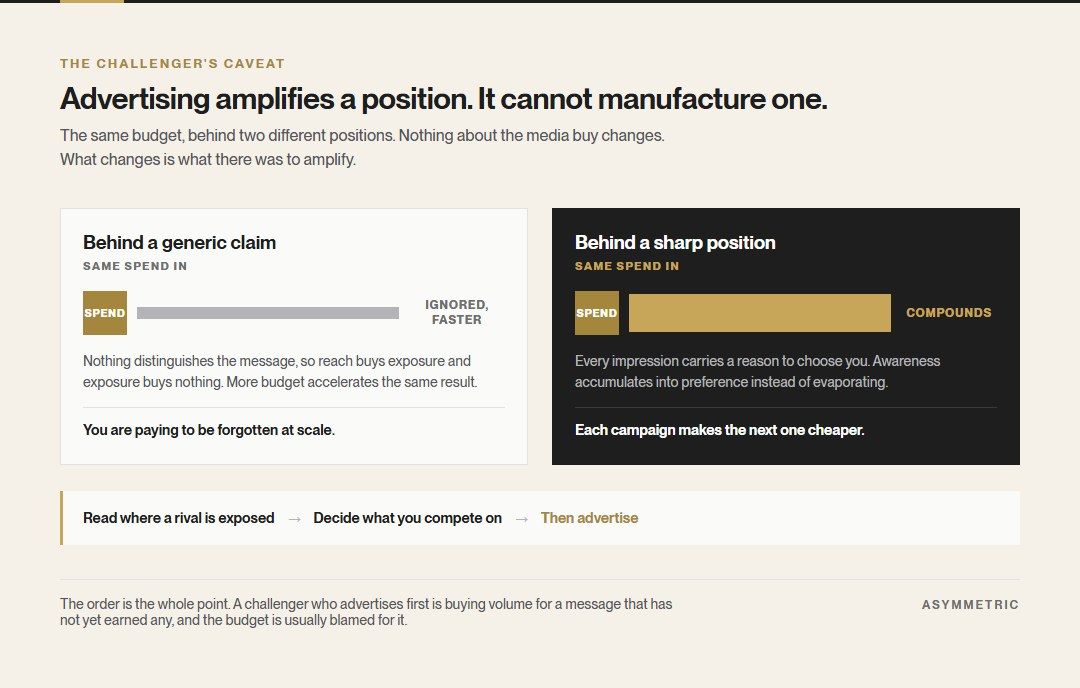
When aligned with clear business objectives and backed by smart technology use, retargeting becomes more than just a tactic—it’s a powerful driver of performance across your entire marketing function and a natural fit with an asymmetric marketing strategy for smaller businesses looking to outmaneuver larger competitors.

Need help implementing a full-funnel retargeting plan? Let’s discuss how to maximize your ad spend, create meaningful interactions, and turn potential customers into loyal brand advocates.

Audience member raising hand at a business seminar

Frequently Asked Questions About the Power of Retargeting and Full-Funnel Marketing

What Exactly is Retargeting?

Retargeting is a digital marketing strategy that allows businesses to reconnect with website visitors who didn’t complete a desired action, such as purchasing. The process of retargeting typically relies on a small piece of code called a tracking pixel, which is placed on your website to track users and display targeted ads as they browse other websites or social media platforms. Ad serving in retargeting involves displaying ads for previously viewed products when users visit other sites, reminding them of your offerings. Additionally, search retargeting targets users who have searched for relevant keywords related to your business but haven't visited your site, allowing you to re-engage these potential customers with tailored ads. This approach keeps your brand at the forefront of your mind and encourages potential customers to return and complete their purchases.

How Does Retargeting Fit into the Marketing Funnel?

Retargeting plays a crucial role at every stage of the marketing funnel by focusing on users who have already shown interest:

  • Top of Funnel (Awareness): Retargeting focuses on users who have previously visited your site or engaged with your content, introducing your brand to potential customers and reinforcing initial interest.
  • Middle of Funnel (Consideration): Retargeting focuses on users who have interacted with specific products or services, providing targeted information and nurturing leads to keep your brand top-of-mind.
  • Bottom of Funnel (Conversion): Retargeting focuses on users who have shown strong purchase intent, reminding and encouraging them to complete a purchase.

Each stage uses different messaging and creative approaches to guide potential customers through their buying journey.

Is Retargeting Invasive or Effective?

When done correctly, retargeting is a highly effective marketing strategy, not an invasive one. The key is to:

  • Use relevant, valuable content
  • Limit ad frequency
  • Provide genuine value
  • Respect user privacy
  • Offer personalized retargeting ads with helpful recommendations

Personalized retargeting ads ensure that users see content tailored to their interests and needs, making the experience more valuable and relevant.

Effective retargeting feels like a helpful reminder, not a persistent interruption.

What Platforms Can I Use for Retargeting?

Popular retargeting platforms include:

  • Google Ads
  • Social platforms (such as Facebook, Instagram, LinkedIn, Twitter)
  • YouTube Ads
  • Programmatic advertising networks

Each platform offers unique targeting capabilities and audience reach, allowing you to create a comprehensive retargeting strategy. Social platforms, in particular, enable more frequent ad delivery due to their real-time nature, making it important to set frequency caps and tailor ad exposure to prevent ad fatigue and optimize engagement.

How Much Does Retargeting Cost?

Retargeting costs vary depending on:

  • Your industry
  • Target audience
  • Ad platform
  • Campaign complexity

Typically, retargeting ads cost:

  • $0.66 to $1.23 per click
  • $0.19 to $0.75 per 1000 impressions

Retargeting is considered one of the most cost effective ways to reach potential customers, as it maximizes advertising ROI by lowering acquisition costs and increasing conversion rates compared to traditional advertising.

How Do I Measure Retargeting Success?

Key performance indicators (KPIs) for retargeting include:

  • Click-through rate (CTR)
  • Conversion rate
  • Cost per acquisition (CPA)
  • Return on ad spend (ROAS)
  • Customer retention rate
  • Engagement metrics

Monitoring overall campaign performance is essential—track these metrics using analytics tools to identify opportunities for optimization and improve your retargeting results.

Red abstract geometric shapes

Ready to Revolutionize Your Marketing Strategy?

Transform your digital marketing approach with strategic retargeting and full-funnel marketing. Whether you aim to increase conversions, build brand loyalty, or optimize ad spend, our expert team at Asymmetric Marketing is here to guide you.

Get Started Today:

📅Schedule a Consultation: Explore tailored retargeting strategies for your business**. Book Now**

📚Learn More: Discover advanced full-funnel marketing techniques. Explore More

Take the next step towards marketing excellence. Let's amplify your business potential together!

Mark Hope
Partner, Asymmetric Marketing
📧 mark.hope@asymmetric.pro
📞 (608) 410-4450

Mark Hope - Asymmetric

About the author

Mark A. Hope is the co-founder and Partner at Asymmetric Marketing, an innovative agency dedicated to creating high-performance sales and marketing systems, campaigns, processes, and strategies tailored for small businesses. With extensive experience spanning various industries, Asymmetric Marketing excels in delivering customized solutions that drive growth and success. If you’re looking to implement the strategies discussed in this article or need expert guidance on enhancing your marketing efforts, Mark is here to help. Contact him at 608-410-4450 or via email at mark.hope@asymmetric.pro.

Scroll to Top