

October 21, 2026
HVAC Marketing in the Off-Season: Staying Booked Between Summer and Winter
Heat waves and cold snaps fill the board on their own. Spring and fall don't. How an independent HVAC contractor plans the budget, the channels, and the maintenance plans that keep trucks out between peaks.
By Mark Hope, Founder, President & Chief Strategy Officer, Asymmetric Marketing
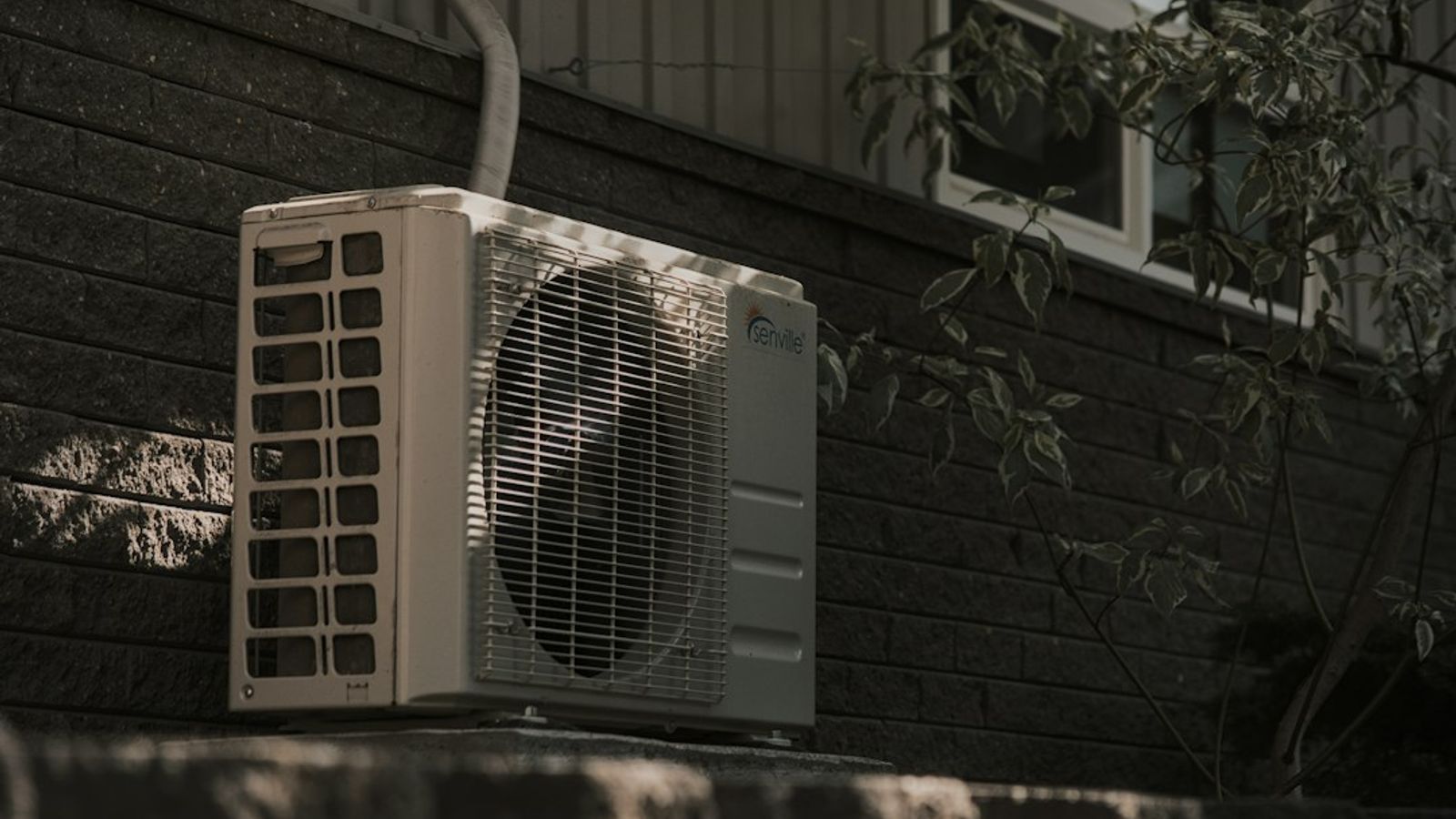
Heating and air conditioning make up more than half of a typical American household's energy use, 52% in 2020 according to the U.S. Energy Information Administration, and the EIA describes both as mostly seasonal. For an HVAC contractor, that means the phone rings when the weather is extreme and goes quiet when it isn't.
A franchise or a private-equity-backed rollup can ride out those slow weeks on corporate cash. An independent shop usually can't. If your techs aren't working, you're carrying payroll while the bigger competitors coast. The way through is a plan for the shoulder seasons that keeps planned work on the board and builds next season's pipeline.
Key takeaways
- Spring and fall are for planned work: tune-ups, maintenance agreements, indoor air quality, and replacements homeowners schedule before something breaks.
- Set aside part of your peak-season cash for off-season marketing, so the slow months aren't the months you go dark.
- In the off-season, narrow your ads to high-intent maintenance searches and the neighborhoods where your routes are densest.
- Email and direct mail to past customers are the cheapest jobs you'll book all year.
- Maintenance agreements are what make the off-season predictable. Sell them on every call and every visit.
- Track booked jobs and margin by channel so you can move money before the next slow stretch.
Start with your own seasonal pattern
Most contractors assume summer and winter are busy and spring and fall are dead. Your job history probably tells a more useful story. Pull 24 to 36 months of jobs by month and type (repairs, replacements, maintenance, indoor air quality, ductwork) and look at what actually happened.
Answer these from your own data:
- Which months book the fewest jobs?
- Which services still sell in April and October?
- What share of revenue comes from maintenance, and what share from emergencies?
- Does commercial maintenance fill any of the gaps?
- Where does lead volume fall most: residential, commercial, or both?
Timing depends on where you work. A contractor in Phoenix runs spring AC campaigns weeks before one in Minneapolis thinks about cooling. As a rule, start each seasonal push six to eight weeks before the demand you're aiming at, so you're visible before the weather turns and the urgent searches start.
Budget for the slow months while you're busy
Set your marketing budget from a growth goal, then protect the off-season share of it. Our guide to average marketing budgets explains why an industry average is a poor starting point, and the Marketing Budget Playbook walks through building one from your own numbers.
The practical move for a seasonal business: during your peak months, move a fixed amount into a separate account for off-season marketing. Payroll and parts don't touch it when work slows.
A simple way to size it:
- Set your revenue target and subtract what you expect to bring in. That's your gap.
- Divide the gap by your average ticket to get the jobs you need.
- Multiply by your historical marketing cost per booked job to get the spend.
- Spread it across the year with a floor for the slow months, instead of cutting them to zero.
- When money is tight, cut sponsorships and broad awareness first. Protect local search and email to past customers.
The off-season is also the cheapest time to test something new, such as an email sequence or a mailer, without peak-season calls competing for your attention.
Get local search right before the busy season
People search for "AC tune-up" in April and "furnace maintenance" in September, not only when the compressor dies in July. Those searches are less crowded, and the contractor who shows up for them books the planned work. Our Local Search Playbook covers the full approach.
A minimum setup for the off-season:
- A complete Google Business Profile: correct name, address, and phone, every service you offer, your service area by ZIP code, real photos of your techs and trucks, and a post for each seasonal offer.
- A service page for each core service in each core area, such as "furnace maintenance in [city]."
- An automatic review request after every job.
- A response to every web form and Local Services Ads lead within five minutes.
Reviews do two jobs: they help you show up in the map results, and they're what a homeowner reads before picking up the phone.
Narrow your ads in the off-season
In peak weeks, you can run broad search ads and Local Services Ads across every category. In the shoulder months, narrow them to maintenance and tune-up searches and to the neighborhoods where your routes are densest.
Local Services Ads charge per lead, not per click, so they suit a tight off-season budget. Set schedules and caps for the shoulder months and focus on the maintenance categories available in your market.
For search ads:
- Keywords: exact and phrase match on terms like "AC tune up near me," "furnace maintenance [city]," and "heat pump service."
- Landing pages: one per service, with a short scheduling form and a tracked phone number.
- Retargeting: show ads to people who visited your site and didn't book.
- An offer with a deadline, so people book now instead of next month.
Email the customers you already have
Past customers already trust you and live in your service area, which makes email the cheapest off-season channel most contractors have. Segment your list by equipment age, last service date, and whether they're on a plan, so each message fits:
- Early spring AC tune-up: launch by mid-March. Something like "Your AC sat all winter. Here's what to check before the first hot day," with a tune-up offer.
- Fall furnace check: launch by late September, with a safety angle and a clean-and-check offer before the first freeze.
- Reactivation: anyone who hasn't booked in 12 months or more gets a short sequence with a time-limited offer.
- Member reminders: automatic reminders for agreement holders, with priority booking dates.
Judge email by the jobs and revenue it books.
Mail the neighborhoods where you already work
Direct mail reaches homeowners who ignore digital ads, and it puts your name in front of them between emergencies.
- Spring postcard: an AC tune-up and air quality check, with a price and a deadline.
- Fall letter: a furnace clean-and-check before the first freeze, with a photo of your team.
- Neighbor mailer: within half a mile of recent installations. "We just worked on a home on your street" earns attention a generic mailer doesn't.
Mail by ZIP code or carrier route where you already do profitable work. Blanketing a whole metro wastes money where you don't have route density. Add a QR code to a matching landing page and a tracked phone number, so you know what each piece booked.
Make maintenance agreements the backbone
Agreements turn the off-season from a gap into a schedule: recurring revenue, appointments you can plan around, and customers who don't shop around when something breaks.
Keep the tiers simple. For example:
- Basic: one tune-up a year and a discount on repairs.
- Priority: two tune-ups a year, priority scheduling during the rush, and a larger repair discount.
- Premium: two tune-ups, priority service, waived diagnostic fees, and a discount on parts.
If a homeowner can't explain the plan to their spouse in one sentence, it's too complicated.
Then sell it everywhere: techs mention it at the end of every visit, whoever answers the phone mentions it on every call, and your spring and fall emails promote it. A small discount for paying before May or October gives people a reason to decide. Set your CRM to renew agreements automatically and follow up with anyone who asked about one and didn't sign.
Ask every happy customer for a review and a referral
Send a review request by text or email after every completed job, with a direct link to your Google profile. Ask them to mention the work you did, such as the furnace repair or the AC maintenance, because reviews that name a service help you show up for that service.
A simple referral program works too: a service credit for every referred customer who books, explained by the tech in 30 seconds at the end of the visit. Track every referral through to a booked job.
Compete where the big players are clumsy
Picture a six-truck shop competing with two PE-backed rollups that run search ads across the whole metro, book through a central call center, and set off-season prices at headquarters. The independent wins by concentrating:
- Own one or two high-value ZIP codes with local pages, reviews, and direct mail.
- Build relationships with property managers and real estate agents who need inspections and tune-ups on a schedule.
- Offer next-day appointments when the bigger competitors are quoting five-day windows.
- Pick one service line they handle poorly, such as indoor air quality in older homes or light commercial maintenance, and put your off-season spend there.
Our article on asymmetric marketing covers the thinking behind this, and the HVAC page shows how we apply it for independent contractors.
Track booked jobs by channel
Set up the basics so you can see which channels actually book work in March, April, October, and November:
- A separate tracked phone number for search ads, Local Services Ads, direct mail, and organic search.
- Tagged links on every digital campaign.
- A required lead-source field in your field service software.
Then keep a monthly scorecard with one row per channel (search ads, Local Services Ads, email, direct mail, referrals, and organic) and columns for spend, leads, booked jobs, and gross margin per job. Use it to move money before the next slow stretch.
Plan the next off-season now
The contractors who stay booked between peaks are the ones who planned it while they were busy. If you want your seasonal pattern, budget, and channel mix looked at with fresh eyes, book a one-day working session and we'll leave you with a 90-day plan.
Frequently asked questions
When should I start off-season marketing?
Start spring AC tune-up marketing six to eight weeks before the first real heat in your market, which for much of the country means late February or early March. Launch fall furnace campaigns by mid-September. Set the exact dates from your own call history, earlier in the South and a little later up north.
How should I split my budget between peak and off-season?
Set the annual total from your growth goal. Put more into search ads and Local Services Ads in peak months, when demand is there to capture, and reserve a fixed share for the off-season in a separate account so payroll doesn't eat it when work slows.
What's the best off-season channel if my budget is tight?
A complete Google Business Profile with steady review requests, plus email to past customers about tune-ups and maintenance plans. Both cost little. Once you can track booked jobs by channel, add a small, tightly targeted Local Services Ads or search campaign.
How do I sell more maintenance agreements in slow months?
Train your techs and phone staff to explain the plan clearly and briefly on every visit and every call. Back it up with email and mail that present the agreement as comfort, safety, and cost control. Offer a small discount for paying before May or October, and follow up automatically with anyone who asked but didn't sign.
How do I know whether my off-season ads are profitable?
Record the lead source for every job in your field service software, then compare booked jobs, revenue, and gross margin from each campaign with what you spent. Look at March and April and at September and October separately. Clicks and call counts alone won't tell you.
About the author

Mark Hope
Founder, President & Chief Strategy Officer, Asymmetric Marketing
Mark Hope is the Founder, President & Chief Strategy Officer of Asymmetric Marketing. His career spans elite military service, senior leadership at two of the largest companies in their categories, and founding several companies of his own. It's the common thread behind how Asymmetric helps smaller companies out-compete bigger ones.
Mark began his career in U.S. Army Special Operations, serving from 1977 to 1988 in the 1st and 3rd Battalions of the 75th Ranger Regiment and as an Operator in 1st Special Forces Operational Detachment–Delta (Delta Force). What that world runs on (careful planning, reading your opponent, and winning from a position of disadvantage) is the foundation of how he helps smaller companies win today.