

Looking to engage your audience with unforgettable brand experiences? An experiential marketing strategy can help. This guide will show you how to create, execute, and measure successful campaigns.
Key Takeaways
- Experiential marketing is highly effective at fostering direct, memorable experiences and emotional connections by involving customers in activities, events, or interactive campaigns that go beyond traditional advertising.
- Following experiential marketing best practices is essential for developing successful, engaging campaigns that stand out and drive lasting impact.
- Understanding your target audience through detailed personas and feedback is crucial for tailoring experiences that resonate and drive brand loyalty.
- Integrating online and offline elements and leveraging technology amplifies experiential campaigns’ reach, ensuring a seamless customer journey.
Understanding Experiential Mark

Experiential marketing engages consumers directly, creating memorable brand experiences that surpass traditional advertisements. Also known as engagement marketing, it immerses customers in interactive events and actively involves them, allowing them to feel, touch, and experience the brand firsthand. This leads to deeper engagement and lasting memories compared to traditional advertising. Experiential marketers play a crucial role in this process.
Unlike traditional marketing methods that rely on mass advertising and passive messaging, experiential marketing creates experiences that are naturally shareable and often result in user-generated content. This approach enhances brand identity and builds lasting relationships by deeply resonating with consumers to raise brand awareness.
Key Elements of a Successful Strategy
A successful experiential marketing strategy begins with understanding your target audience. Detailed customer personas based on data and insights provide actionable insights for refining your experiential strategy, helping tailor marketing efforts to specific audience segments and enhancing engagement. These personas capture demographic data and behavioral patterns, identifying customer needs and pain points to ensure relevancy.
Clear objectives guide the overall experiential strategy and align with brand goals. Defining Key Performance Indicators (KPIs) helps measure the effectiveness and success of experiential marketing efforts. Budget allocation is crucial to implement the marketing strategy within financial constraints, making a structured marketing budget for your business essential for sustainable campaign planning.
A cohesive and collaborative marketing team is essential for a well-rounded experiential strategy. This team should handle various aspects of the campaign, from planning to execution, ensuring alignment with marketing goals and resonance with the target audience.
Differences from Traditional Marketing
Experiential marketing stands out from traditional marketing by creating immersive experiences that engage all the senses and foster a deeper connection with the brand. Traditional marketing relies on passive message consumption, whereas experiential marketing emphasizes active participation and emotional engagement. Physical experiences tied to emotions lead consumers to remember them significantly more than a print ad or other traditional advertisements. Combining digital and physical elements, like augmented reality, enhances engagement and creates a cohesive customer experience.
Spotify Everywhere is a prime example of this blend, engaging consumers across various platforms. This approach heightens audience engagement and leaves a memorable brand impact, illustrating the benefits of experiential marketing over traditional methods.
Setting Clear Objectives for Your Campaign

Clear, specific objectives are foundational for a successful experiential marketing campaign. They enable focused strategies and increase the likelihood of achieving desired outcomes. While many brands pursue experiential marketing, success ultimately depends on careful planning and execution.
Moreover, participation in experiential marketing significantly enhances brand loyalty, with 40% of consumers reporting increased loyalty after such interactions.
Aligning with Brand Values
Aligning campaign objectives with the brand’s mission and values is crucial for creating authentic and impactful experiences. Ensuring that experiential marketing campaigns are on brand helps maintain consistency with the brand's identity and messaging. When experiences reflect brand values, they contribute to brand longevity and raise awareness of its purpose, fostering positive brand perception and deeper emotional connections with the audience.
Choosing influencers or brand ambassadors with an existing relationship with your products can effectively communicate your brand values. Their relevance to your industry ensures alignment with your brand’s objectives, making the partnership more authentic and impactful.
Measuring Success
Key Performance Indicators (KPIs) quantify the impact of experiential marketing efforts and assess their effectiveness. Metrics include customer engagement levels, social media mentions, and attendance rates. Analyzing customer feedback from surveys provides valuable insights into audience perceptions and areas for improvement.
Identifying effective channels for lead generation and tracking progress towards campaign goals allows for continuous refinement of strategies based on performance data. This systematic approach ensures experiential marketing campaigns remain dynamic and responsive to audience needs.
Identifying and Understanding Your Target Audience
Understanding your target audience deeply is essential for crafting personalized and effective experiential marketing experiences. Listening to your audience and using their feedback enhances your marketing strategy. Aligning with audience interests and preferences helps brands create meaningful experiences that resonate deeply with participants. Additionally, building strong customer loyalty through research and insight is a key outcome of effective experiential marketing, as it fosters ongoing engagement and loyalty across various channels.
Market Research Techniques
Market research techniques are vital for gaining valuable insights into potential customers and driving effective experiential marketing strategies. Quantitative methods, such as surveys, offer measurable insights into customer preferences and behaviors, providing a broad understanding of audience demographics and interests crucial for tailoring marketing efforts.
Focus groups offer deeper insights into consumer behavior and preferences beyond typical surveys. Social media analysis can also reveal valuable trends and sentiments, helping shape more targeted and engaging marketing campaigns.
Creating Customer Personas
Detailed customer personas help brands better understand and address audience needs and preferences. These personas should be based on thorough market research and actual data, capturing the essence of current, new, and potential customers.
Leveraging these insights, brands can design experiences that engage customers more effectively, ensuring marketing efforts resonate deeply and foster long-term loyalty.
Crafting Engaging and Memorable Experiences

Crafting engaging and memorable experiences is central to event marketing and experiential marketing. These experiences immerse consumers in interactive events, and creating a fun and unique engaging experience is one of the best ways to connect with customers and leave a lasting impression, especially when you align them with a customer-centric Asymmetric Marketing Engine framework that spans awareness through advocacy.
Fostering personal connections through these experiences helps deepen brand loyalty.
Tracking customer experiences through participation metrics and KPIs helps understand engagement levels and refine future activations.
Leveraging Technology
Incorporating augmented reality (AR) and virtual reality (VR) can significantly enhance experiential marketing campaigns, making them more engaging and memorable. Virtual reality experiences, in particular, can transport consumers to new worlds or allow them to try products digitally, greatly enhancing immersion. QR codes are another effective tool, linking physical experiences with digital interactions and extending campaign reach.
Brands should think creatively about how people interact with their products and services through technology, ensuring seamless and immersive interactions. Leveraging the latest technological advancements, brands can create innovative and captivating marketing experiences that resonate with tech-savvy audiences.
Incorporating Sensory Elements
Engaging multiple senses can significantly enhance the emotional impact of an experiential marketing event. By leveraging sensory elements such as sight, sound, touch, taste, and smell, brands can create immersive experiences that leave lasting impressions on participants.
Incorporating visual elements like colors and graphics, auditory aspects like music, tactile components like textures, and olfactory elements like scents create a more immersive and memorable experience. Sensory engagement is essential for creating impactful customer experiences that resonate and foster brand loyalty.
Utilizing Social Media for Amplification
Social media is crucial for amplifying the reach and impact of experiential marketing campaigns. Social media platforms can significantly boost brand visibility and interaction by enhancing customer engagement and extending campaign reach.
Encouraging User-Generated Content
User-generated content (UGC) can significantly enhance the impact of experiential marketing campaigns. Providing photo opportunities and encouraging specific hashtags boost user engagement and content sharing. Hosting event-related contests can further motivate attendees to share their experiences on social media.
The simplicity of participation and alignment with customer interests encourage user engagement. By tapping into attendees’ interests and encouraging high-quality images, brands can leverage UGC to boost organic reach and enhance brand visibility.
Branded Hashtags and Challenges
Branded hashtags and social media challenges are vital for increasing the visibility of experiential marketing campaigns. A successful example is Yoplait’s #TasteOff, which promoted its pop-up event and encouraged user participation.
To develop compelling hashtags and challenges, brands should ensure they are catchy, relevant, and aligned with campaign objectives. Social media challenges create fun interactions and motivate users to share their experiences, expanding the campaign’s reach and impact.
Partnering with Influencers and Brand Ambassadors
Partnering with influencers and brand ambassadors can significantly enhance the reach and credibility of experiential marketing campaigns. These collaborations help transfer the trust and confidence influencers have built with their audience to your brand.
Selecting the Right Partners
Choosing the right partners is crucial for effective experiential marketing strategies. To foster authentic partnerships, look for influencers and ambassadors with a genuine connection to your brand and shared values. Evaluating potential partners’ audience demographics ensures alignment with your target market and campaign objectives.
Integrating influencer content strategically into your overall marketing strategy can amplify the reach and impact of experiential campaigns. Establishing strong partnerships with influencers can increase brand credibility and long-term results.
Maximizing Partnership Impact
Maximizing the impact of influencer and brand ambassador partnerships involves strategic integration and measurement. Tools like Simple Booth capture contact data and track sharing analytics, providing valuable insights into the effectiveness of these partnerships.
Leveraging these insights, brands can refine strategies and enhance future marketing efforts by incorporating competitive intelligence services that reveal how rivals position their own experiential and digital campaigns.
Creating Immersive Pop-Up Experiences
Immersive pop-up experiences powerfully engage customers and create memorable interactions with your brand. Pop ups and pop up shops in major cities are popular experiential marketing tactics, serving as temporary retail locations that create urgency and exclusivity. They allow brands to engage customers in new markets without permanent investment, capturing customer interest and generating buzz around your products and services, and can be complemented by unconventional guerrilla marketing tactics that drive additional street-level attention.
Location Selection and Setup
Selecting the right location is crucial for a pop-up event’s success. Choosing venues in high-traffic areas can significantly increase visibility and effectiveness. For instance, the Spotify Everywhere experience in New York City ensured maximum exposure.
Minimize logistical challenges by automating operations, streamlining preparation, and ensuring a smooth setup.
Interactive Activities
Incorporating interactive elements like games and photo booths makes the pop-up experience more engaging and memorable. Interactive installations and product demonstrations are effective ways to engage attendees and enhance brand activation, as they provide hands-on experiences that build trust and encourage participation. These activities draw attendees in and encourage them to share their experiences, further amplifying brand awareness. Examples include hands-on games, digital interfaces, sensory experiences, and live product demonstrations.
Interactive activities, such as interactive campaigns and brand activations, allow consumers to engage directly with products, deepening their connection to the brand. Offering fun and engaging activities fosters deeper emotional connections with attendees, making the event an interactive experience that is more impactful and memorable.
Integrating Online and Offline Elements
Integrating online and offline elements creates cohesive and engaging campaigns that resonate with today’s consumers. Digital experiences, including augmented reality (AR) and virtual reality (VR), offer endless possibilities for creating immersive environments that engage consumers in unique ways, further enhancing their interaction with products. Mapping each touchpoint along the customer purchase path helps ensure this approach creates a seamless customer journey, enhancing overall brand experience and engagement.
Virtual Events and Webinars
Hosting online events allows brands to reach a large audience and gather customer insights. Event marketing includes both online and in person events, with in person events allowing customers to engage directly with the brand for a more tangible and memorable experience. Virtual events and webinars provide opportunities for interactivity, enabling attendees to ask questions and interact with speakers, enhancing the user experience.
Spotify extended its experience online by hosting a live virtual tour on Instagram, showcasing virtual events’ potential to engage customers. While digital experiences are accessible and interactive, in person engagement at live events creates active, sensory, and memorable brand interactions that are difficult to replicate virtually. A 360-degree digital version of experiential elements, like the Hands-Free House, can also be created for digital participants, ensuring accessibility and engagement for a wider audience.
Seamless Customer Journey
A seamless customer journey across online and offline channels enhances brand loyalty by ensuring a positive experience at every touchpoint. Effective planning in experiential marketing necessitates coordination among various stakeholders, including vendors and technology providers, to maintain a personal connection with customers.
A cohesive experience across channels increases engagement and a stronger relationship with the brand.
Measuring and Analyzing Campaign Performance
Measuring and analyzing the performance of experiential marketing campaigns is crucial for optimizing future efforts. Identifying key performance indicators (KPIs) is essential in measuring the success of an experiential marketing campaign, especially when you track core B2B marketing KPIs that tie directly to revenue and pipeline.
Data Collection Methods
Surveys and social media metrics provide valuable insights into campaign effectiveness and customer engagement. Integrating data from virtual and physical events helps understand customer preferences and behaviors comprehensively. Unified marketing analytics software can help monitor and adjust campaigns effectively, ensuring that insights drive future marketing strategies and align with broader business planning and strategy development goals.
Data collection is crucial for understanding consumer behavior and preferences in experiential marketing campaigns.
Interpreting Results
Analyzing collected data helps identify the strengths and weaknesses of experiential marketing efforts. Data analysis reveals strengths by highlighting successful elements that effectively engage customers.
Identifying weaknesses involves examining areas where the campaign fell short or did not meet objectives, providing a roadmap for continuous improvement in future campaigns and informing more rigorous marketing planning across strategic, operational, and tactical levels.
Case Studies of Successful Experiential Marketing Campaigns
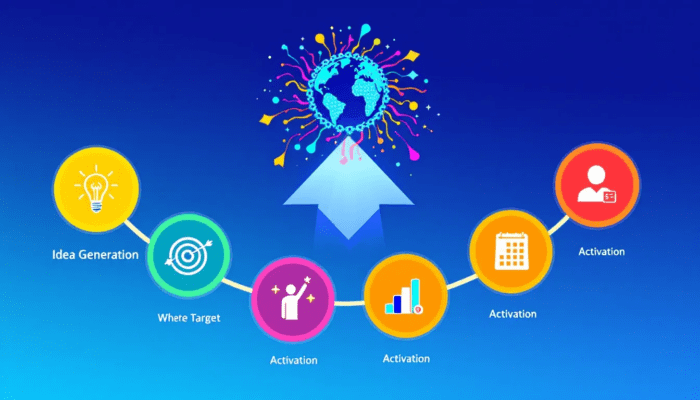
This section features great examples, coolest campaigns, and experiential marketing ideas to inspire your own brand activations. Examining real-world experiential marketing examples can provide valuable insights and spark creative approaches for engaging audiences. In fact, experiential campaigns can result in an average sales lift of 32%.
A great example is Lean Cuisine's #WeighThis campaign, which invited women to weigh their accomplishments instead of their bodies. This initiative led to a 33% increase in positive brand perception and achieved significant social media reach.
Another standout is Refinery29's 29Rooms event, where 29 interactive rooms designed by various brand partners create a unique, immersive experience that encourages social sharing and deep audience engagement.
These experiential marketing examples showcase how creative, memorable, and interactive campaigns can effectively capture consumer interest and generate buzz, offering adaptable ideas for businesses of all sizes.
Red Bull Stratos
The Red Bull Stratos campaign involved sending skydiver Felix Baumgartner to the edge of space, where he set a world record for the highest skydive at 128,000 feet. This extreme experiential marketing campaign generated massive media attention, with more than eight million viewers watching live on YouTube. This significantly boosted Red Bull’s brand visibility and solidified its position in the energy drink market.
Nike React Infinity Run Challenge
The Nike React Infinity Run Challenge was designed to promote their new running shoes through an innovative campaign that engaged customers in hands-on experiences. This campaign generated significant buzz on social media, highlighting its effective reach and engagement, and created a perception of getting more value for their money.
Common Pitfalls and How to Avoid Them
Understanding and avoiding common pitfalls in experiential marketing is crucial for maximizing brand engagement and campaign success. Experiential marketing tactics—including event marketing, pop-up shops, guerilla marketing campaigns, and ground marketing—are designed to create buzz and enhance brand awareness through immersive and memorable experiences. Guerilla marketing campaigns, in particular, utilize unconventional, low-cost techniques to attract attention and often lead to viral engagement. Grounding these efforts in a philosophy that prioritizes creating and keeping customers helps ensure they support long-term business health, while listening to audience feedback and actively seeking participant opinions can enhance your experiential marketing strategies and prevent repeated mistakes.
Overlooking Logistics
Neglecting logistical details can undermine the effectiveness of experiential marketing campaigns. Successful execution often requires coordination with various stakeholders, such as banks, airports, and payment platforms. Thorough planning and coordination are crucial for avoiding logistical issues and ensuring campaign success.
Ignoring Feedback
Listening to participant feedback is essential for enhancing future experiential marketing campaigns. Feedback from participants can be instrumental in shaping your experiential marketing strategy to make it more effective and to refine inbound marketing and lead-generation efforts that follow these experiences.
Failing to gather and implement feedback can lead to repeated mistakes in future experiential marketing initiatives.
Summary
Experiential marketing offers a powerful way to boost brand awareness, increase customer engagement, and attract customers by creating memorable brand experiences. These strategies are essential for your next marketing campaign if you want to stand out and build lasting connections with your audience. Partnering with a results-focused digital marketing agency can help unify your experiential efforts with ongoing online campaigns. By understanding and implementing the strategies discussed—from setting clear objectives and understanding your audience to leveraging technology and integrating online and offline elements—you can elevate your brand and achieve lasting success. Remember, the key to successful experiential marketing is creating authentic, interactive, and immersive experiences that resonate with your audience and foster long-term loyalty.
When done effectively, experiential marketing can strengthen brand loyalty by creating an environment for making sales and creating happy customers who will want to come back and make additional purchases in the future. It also fosters deeper emotional connections, builds brand loyalty, and generates positive word-of-mouth, enhancing brand perception. Experiential marketing creates memorable experiences that trigger specific emotions, guiding creative decisions and helping forge authentic connections with consumers, and the lessons from a dedicated strategy development conference for SMEs can sharpen how you integrate these experiences into broader loyalty initiatives.

Frequently Asked Questions About Experiential Marketing
What is experiential marketing?
Experiential marketing is a powerful strategy that creates memorable brand experiences through interactive and immersive activities. Engaging consumers directly fosters emotional connections that can drive loyalty and enthusiasm for your brand.
How does experiential marketing differ from traditional marketing?
Experiential marketing stands out by engaging all the senses through interactive experiences, unlike traditional marketing, which often relies on passive message consumption. Embrace this dynamic approach to create a memorable connection with your audience!
Why is setting clear objectives important in experiential marketing?
Setting clear objectives in experiential marketing is crucial. This ensures your strategy is focused and increases your chances of achieving your goals. This clarity also enables effective measurement of your campaign's success, empowering you to make data-driven decisions.
How can technology be leveraged in experiential marketing?
Leveraging augmented reality (AR) and virtual reality (VR) can elevate your experiential marketing campaigns, making them more engaging and unforgettable. By incorporating tools like QR codes, you can seamlessly blend physical experiences with digital interactions, maximizing your campaign's impact!
What are some examples of successful experiential marketing campaigns?
Successful experiential marketing campaigns, such as the Red Bull Stratos skydiving record and Nike's React Infinity Run Challenge, demonstrate the power of engaging experiences. These campaigns captivated audiences and created lasting connections with the brands.

Ready to Transform Your Brand with Experiential Marketing?
Experiential marketing can make your brand unforgettable, but a well-executed strategy requires the right insights and support.
Let’s Make Your Brand an Experience
Discover how Asymmetric Marketing can help create impactful, immersive experiences that resonate with your audience.
- Explore Our Services: Learn more about our experiential marketing expertise and how our Madison web design and digital team can support your online presence.
- Contact Us for a Consultation: Discuss your unique goals and create an action plan. Our team brings seasoned marketing agency expertise to every engagement.
- Stay Inspired: Visit our Marketing page for expert tips and strategies to elevate your brand, browse our Asymmetric marketing blog resources, explore insights from Mark Hope on asymmetric strategy, and review top marketing agencies in Wisconsin if you’re comparing partners.
Don’t just make an impression—create an experience. Contact Asymmetric Marketing today, and let’s elevate your brand together!

About the author
Mark A. Hope is the co-founder and Partner at Asymmetric Marketing, an innovative agency dedicated to creating high-performance sales and marketing systems, campaigns, processes, and strategies tailored for small businesses. With extensive experience spanning various industries, Asymmetric Marketing excels in delivering customized solutions that drive growth and success. If you’re looking to implement the strategies discussed in this article or need expert guidance on enhancing your marketing efforts, Mark is here to help. Contact him at 608-410-4450 or via email at mark.hope@asymmetric.pro.