If you’re running digital ads to grow your business, understanding PPC terms is no longer optional—it’s essential. Whether you’re working with a marketing agency or managing campaigns in-house, knowing the language of pay-per-click (PPC) advertising can save you money, help you make smarter decisions, and drive real growth.
Online advertising and online marketing are essential strategies for digital marketers. Understanding key PPC terms is crucial for success in optimizing campaigns, integrating digital channels, and improving search engine rankings.
Setting up a Google Ads account is crucial for effective PPC advertising, as it allows you to utilize performance grading tools and manage ad campaigns efficiently. One of the key advantages of PPC is fast results—businesses can appear on the front page of search results within hours, unlike SEO which can take much longer.
A well-structured approach to PPC involves orchestrating advertising campaigns designed to deliver consistent messages across multiple platforms, ensuring a cohesive brand narrative and optimizing performance.
In this guide, we’ll break down 10 must-know PPC terms every business owner should be familiar with—no jargon, just practical definitions and real-world context, and show where partnering with an experienced marketing agency for strategic growth can amplify the impact of your campaigns.
Introduction to PPC Advertising
PPC advertising, also known as pay-per-click advertising, is a cornerstone of digital marketing. In this model, advertisers pay a fee each time one of their ads is clicked, making it a cost-effective way to drive traffic to a website, increase brand awareness, and generate leads or sales.
One of the key advantages of PPC advertising is its ability to target specific audiences based on various criteria such as demographics, interests, and search behaviors. This precision targeting ensures that your ads reach the right people at the right time.
Ad networks play a crucial role in connecting advertisers with suitable platforms to display their ads, acting as intermediaries to facilitate the advertising process, and understanding common mistakes to avoid in Google Ads helps ensure those placements generate quality leads rather than wasted spend.
Search engine marketing (SEM) is a critical component of PPC advertising. SEM involves promoting websites by increasing their visibility in search engine results pages (SERPs) through paid advertising. Paid ads and online advertisements are key components of digital marketing strategies, appearing prominently on search results pages to boost visibility and engagement.
Unlike organic search results, which are achieved through search engine optimization (SEO), PPC ads appear in the search engine’s sponsored links, giving them prime visibility. Search ads are designed to drive targeted website traffic, and their ad position on search results pages greatly influences visibility and click-through rates. This makes PPC advertising an essential tool for businesses looking to enhance their online presence and achieve measurable results.
Understanding Google Ads
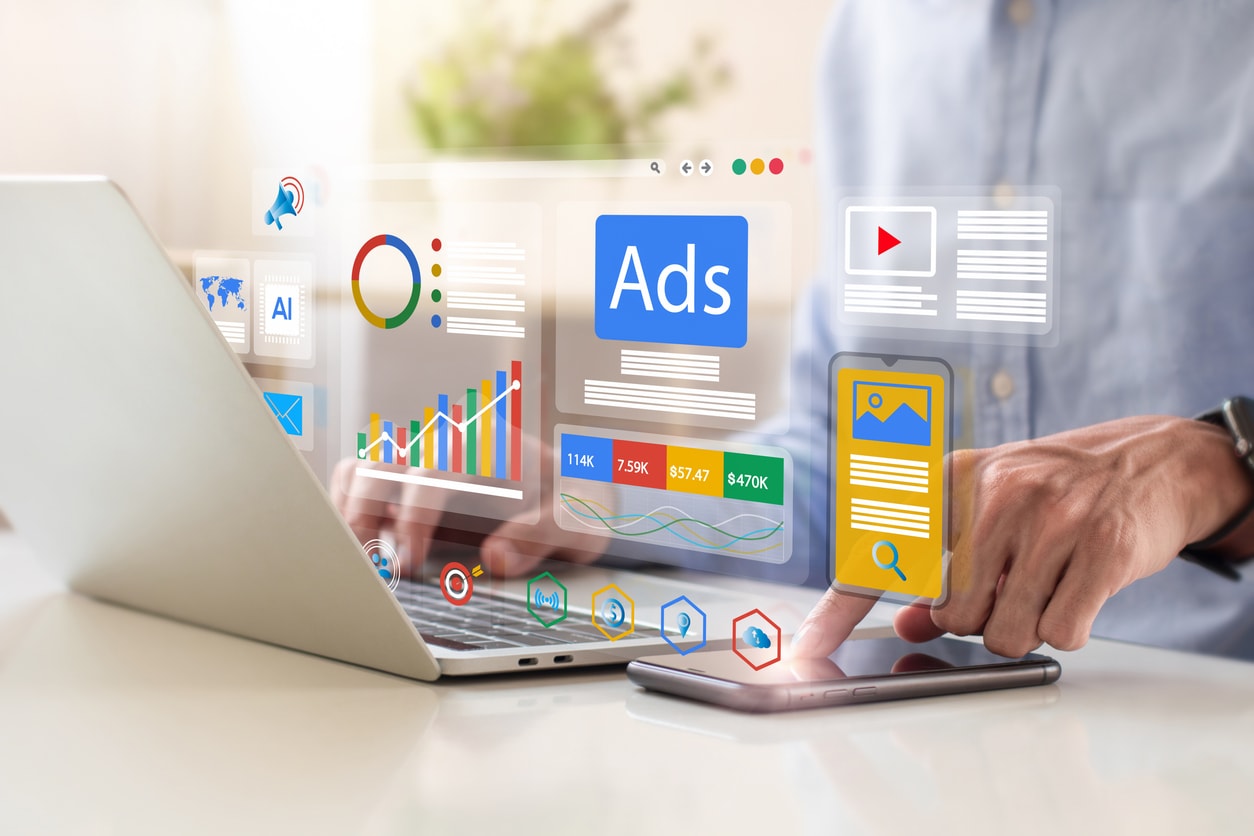
Google Ads is the most popular platform for PPC advertising, allowing businesses to create and display ads on Google’s search engine and across a vast network of partner websites. Google Ads was formerly known as Google AdWords, and it remains the leading solution for targeted online advertising. Google Ads operates on a pay-per-click model, where advertisers pay each time a user clicks on their ad.
In addition to Google Ads, Bing Ads serves as Microsoft’s alternative advertising platform, offering similar tools and analytics for advertisers seeking to reach audiences beyond Google.
The platform uses a combination of factors, including keyword relevance, ad quality, and bid amount, to determine which ads appear on the search engine results page (SERP).
One of the key features of Google Ads is its ability to target specific keywords, demographics, and locations. Advertisers can create highly targeted campaigns that reach their ideal audience. Understanding user search queries is crucial for effective ad targeting, as it helps advertisers bid on specific keywords that align with common search terms, driving targeted traffic to their sites. Google Ads allows advertisers to display ads not only on Google search but also across a vast display network of partner websites and apps, extending reach beyond Google’s own platforms.
Metrics such as click-through rate (CTR), conversion rate, and cost per click (CPC) are used to track the performance of ads and optimize campaigns for better results. Google Analytics is an essential tool for analyzing website visitor behavior and optimizing campaign performance. Keyword settings like ‘broad match’ and ‘exact match’ determine when and how ads are displayed, impacting their relevance and visibility to the target audience.
Google Ads uses an automated ad auction process to determine which ads are displayed and in what order, based on relevance and bid amount. By leveraging Google Ads, businesses can effectively reach potential customers and drive meaningful engagement.
Advertisers can control their spending by setting daily budgets, ensuring they only pay for the traffic they can afford.
Ad Campaign Structure
An ad campaign in Google Ads is a series of ads that share the same goal or theme. These campaigns are organized into ad groups, which are subsets of related ads and keywords. Ad groups allow advertisers to target specific audiences with relevant ads, ensuring that users see content that matches their search intent.
Expanded text ads include multiple headline and description fields, allowing advertisers to convey more information and increase visibility in their campaigns.
A well-structured ad campaign includes several key components:
- Relevant Ad Groups: Grouping related ads and keywords together to target specific audiences effectively.
- Negative Keywords: Excluding certain keywords to prevent ads from showing on irrelevant searches, thereby saving ad spend.
- Ad Extensions: Adding extra information to ads, such as site links, callouts, and business addresses through location extensions, to provide more value to users and enhance local visibility and credibility.
- Landing Page: Ensuring that the landing page is relevant to the ad and provides a seamless user experience.
Phrase match is a keyword setting that allows ads to appear only when search queries include the keyword's close variants, providing more precise targeting compared to broader match types.
Advertisers can also use ad scheduling to run campaigns at specific times of day or week, maximizing the impact of their ads. Ad scheduling is a PPC strategy that allows advertisers to control when their ads are shown, optimizing visibility during peak times.
By carefully structuring ad campaigns, businesses can improve their ad performance and achieve their marketing goals. Complementing this with website optimization strategies to boost SEO and UX ensures that the traffic you pay for is more likely to convert. Utilizing long-tail keywords in PPC campaigns can lead to higher conversion rates due to their specificity and strong user intent.
Ad Content and Extensions

Ad content refers to the text, images, and other media used in a pay-per-click (PPC) ad to promote a product, service, or brand. The written message within search ads is known as ad text, and optimizing ad text for clarity and engagement is essential for attracting clicks and conveying key information. Crafting compelling ad content is crucial because it directly influences whether users will click on your ad. Effective ad content should be clear, engaging, and relevant to the user’s search query.
Dynamic keyword insertion is a Google Ads feature that automatically inserts targeted keywords into ad text, making ads more relevant and eye-catching by matching the user's search terms.
Ad extensions, on the other hand, are additional pieces of information that can be added to a PPC ad to make it more informative and appealing to potential customers. Examples of ad extensions include site links, callouts, and call extensions. Site links allow advertisers to link to specific pages on their website, providing users with more options to explore. Callouts highlight unique selling points or promotions, making your ad stand out. Call extensions enable users to call the business directly from the ad, facilitating immediate contact.
Banner ads are a common format in display advertising, using images to promote products or brands across the display network and increase brand awareness.
Facebook dynamic ads automatically generate personalized ads by leveraging product catalogs and user behavior data, allowing advertisers to target users who have previously shown interest in their brand for greater ad relevance and effectiveness.
By using ad extensions, advertisers can increase the visibility and effectiveness of their PPC ads. These extensions not only provide more information to potential customers but also improve the ad’s overall performance by enhancing its relevance and appeal. Incorporating ad extensions into your PPC strategy can lead to higher click-through rates (CTR) and better ad placement, ultimately driving more traffic and conversions as part of a broader Asymmetric Marketing Engine framework for small businesses.
Effective PPC strategies often involve continuous optimization, which includes refining ad copy, adjusting bids, and testing different keywords to improve campaign performance—an approach that aligns closely with data-driven growth marketing strategies focused on acquisition, retention, and sustainable scaling.
1. CTR (Click-Through Rate)
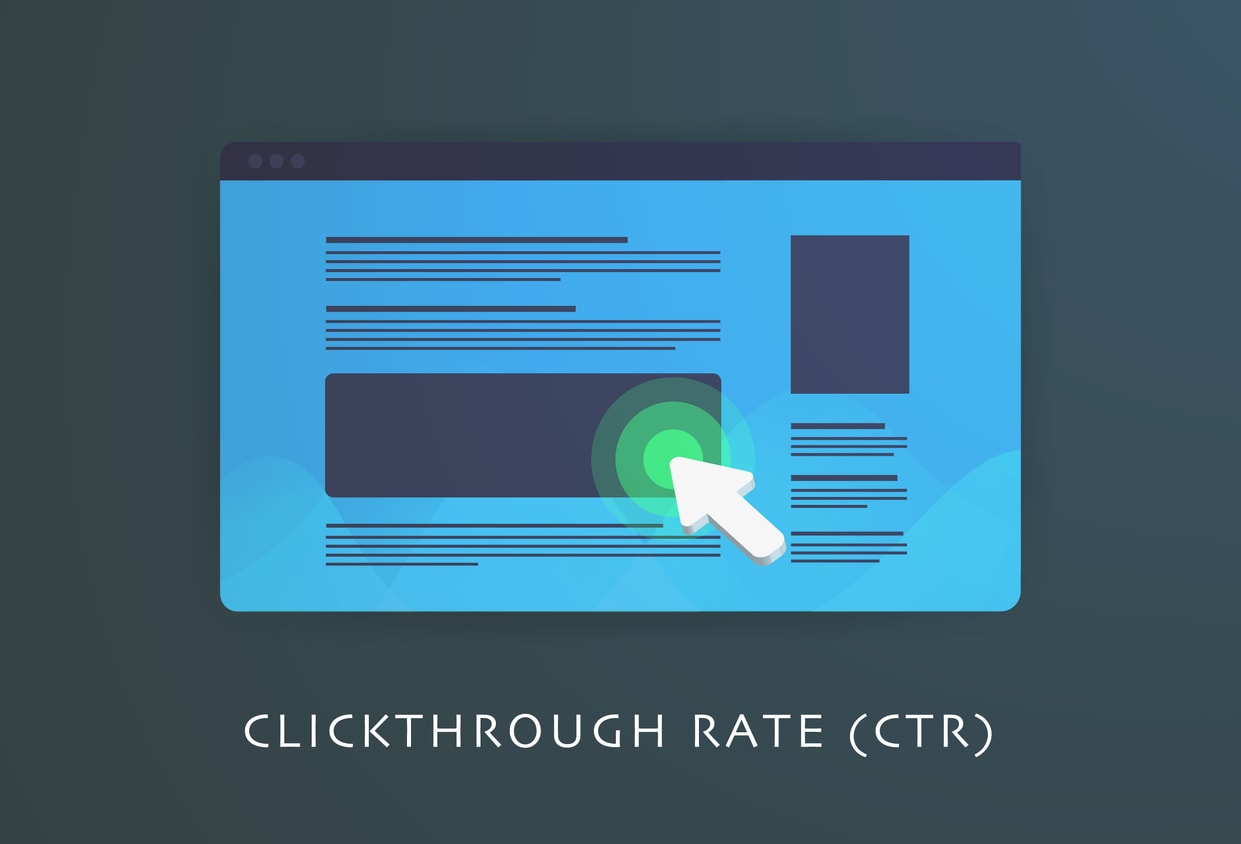
What it is: The percentage of people who see your ad (impressions) and click on it. Formula: (Clicks ÷ Impressions) × 100
Why it matters: A high CTR means your ad is relevant and engaging. It often leads to better ad placement and lower costs and is a key signal in inbound marketing strategies that attract customers with valuable content. Image ads utilize graphics to convey information about a product, capturing user attention.
Example: If 1000 people saw your ad and 100 clicked, your CTR is 10%. That’s strong. Video ads can effectively convey brand stories to a wide audience, enhancing engagement and potentially boosting brand recall.
2. CPC (Cost Per Click)
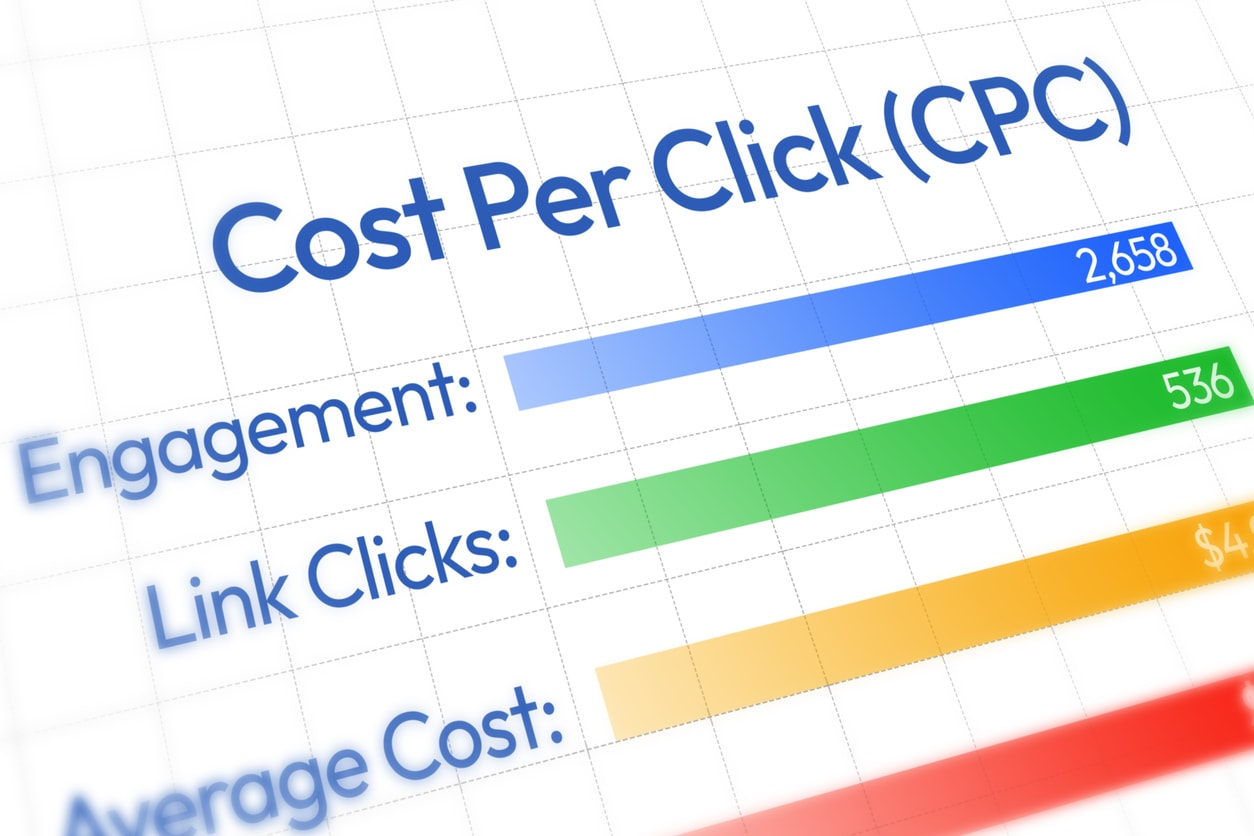
What it is: How much you pay each time someone clicks your ad.
Why it matters: CPC determines how far your ad budget will stretch. Lower CPC = more traffic for less money.
Pro Tip: Lower CPCs are often the result of better ad quality and more relevant targeting.
3. Quality Score
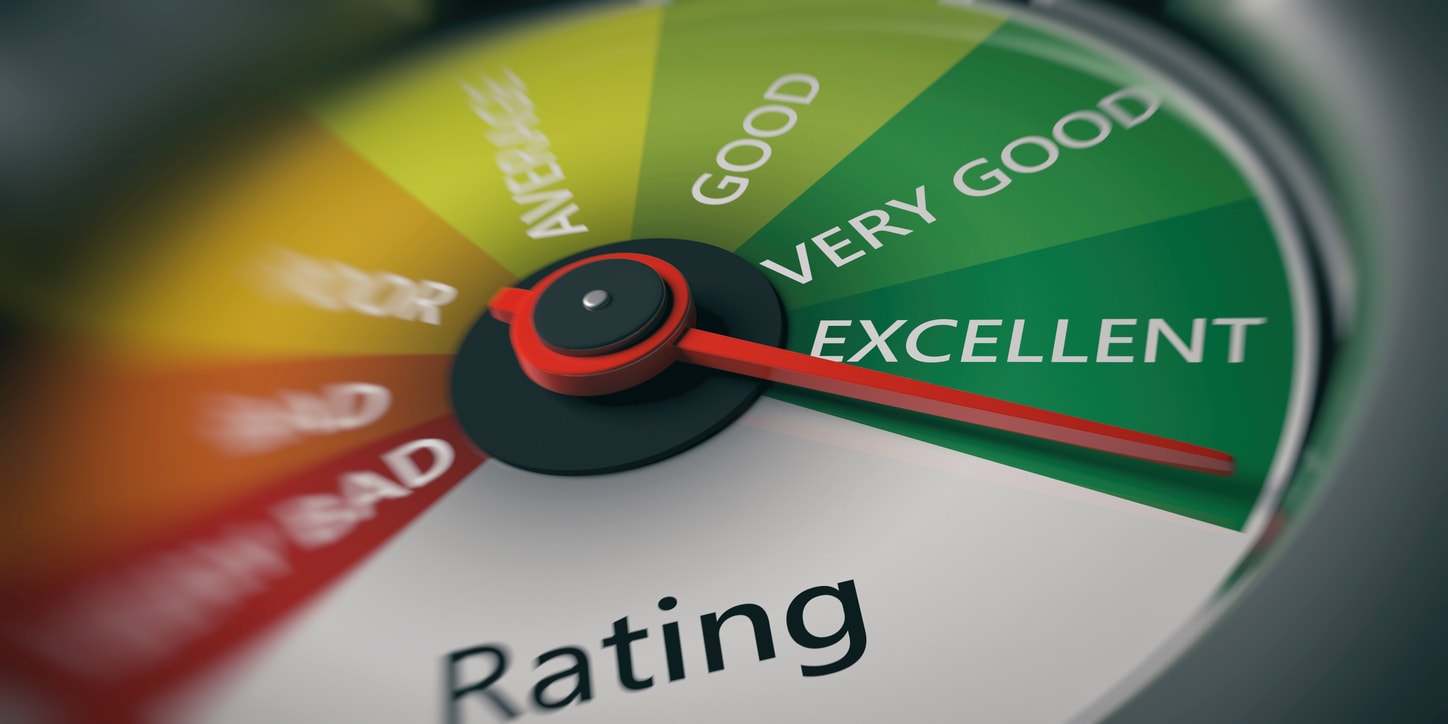
What it is: A rating (1–10) given by Google based on your ad relevance, landing page experience, and expected CTR.
Why it matters: A higher Quality Score leads to lower CPCs and better ad placement—even if your competitors are bidding more.
Action Step: Improve your ad copy, match keywords to landing pages, and focus on the user experience.
4. Ad Rank

What it is: The position your ad appears in search results. It's determined by your bid amount × Quality Score.
Why it matters: Even if you’re not the highest bidder, a great Quality Score can still land you in top ad spots.
Bonus Insight: Position #1 isn’t always the most profitable. Test different positions to optimize
5. Impressions
What it is: The number of times your ad is shown (not necessarily clicked).
Why it matters: Impressions help you understand reach and visibility. If your impressions are high but CTR is low, your ad might need tweaking.
Search engine algorithms determine the relevance of keywords in relation to ads and landing pages, playing a crucial role in the ranking process. These algorithms link the quality and relevance of keywords to ad placement and advertising costs.
6. Conversion

What it is: The percentage of people who take a desired action (buy, sign up, contact you) after clicking your ad.
Formula: (Conversions ÷ Clicks) × 100
Why it matters: High conversion rates mean your ad and landing page are working together effectively.
Example: If 50 out of 500 visitors make a purchase, your conversion rate is 10%.
Display advertising utilizes visual-based ads on websites, apps, and social platforms to capture user attention and promote brands, products, or services, thereby increasing visibility and user engagement within an advertising campaign, especially when paired with essential inbound marketing tools for content, email, and analytics.
7. Landing Page Experience
What it is: Google’s rating of the usefulness and relevance of your landing page to users who click your ad.
Why it matters: A better landing page boosts your Quality Score, lowers CPC, and improves conversion rates. Tracking website visitor behavior provides insights into user interactions, which is essential for making informed marketing decisions and optimizing user experience.
Quick Wins:
- Make sure the page loads fast
- Use mobile-friendly design
- Match the page content to the ad promise
8. Negative Keywords
What it is: Keywords you exclude to prevent your ads from showing on irrelevant searches.
Why it matters: Negative keywords help you avoid wasted spend and improve campaign relevance.
Example: If you sell luxury watches, you might exclude “cheap watches” as a negative keyword.
It is also important to ensure that the display URL shares the same root domain as the destination URL within ad groups. This consistency helps maintain user trust and improves the overall landing page experience.
9. ROAS (Return on Ad Spend)
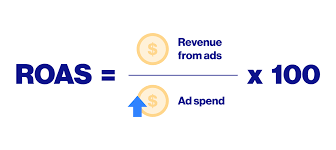
What it is: A measure of how much revenue you earn for every dollar spent on ads.
Formula: Revenue from Ads ÷ Ad Spend
Why it matters: ROAS helps you assess profitability. A $4 return for every $1 spent (400% ROAS) is a good benchmark.
Key Insight: ROAS goals can differ by industry. Always know your margins.
Search query reports help marketers understand which specific search terms potential customers are using before clicking on pay-per-click advertisements, ultimately aiding in the optimization of ad campaigns. The search terms report reveals the actual search queries that triggered your ads, helping you discover new keyword opportunities and refine targeting by excluding irrelevant traffic. Analyzing related searches can also expand your reach by including synonyms and variations related to your original keywords—insights that are especially powerful when paired with local advertising techniques for small businesses focused on attracting nearby customers.
10. Remarketing (or Retargeting)

What it is: A strategy to show ads to people who’ve previously visited your website or interacted with your brand.
Why it matters: These users are already familiar with you and more likely to convert. Remarketing keeps your brand top-of-mind.
Manual tagging allows for more customization of destination URLs that can be shared with third parties, whereas auto-tagging automatically appends identifiers to URLs to improve tracking and performance analysis.
Tip: Set up remarketing audiences in Google Ads, Facebook, LinkedIn ads, or Pinterest ads to re-engage warm leads across different channels.
Geofencing allows advertisers to target users within a specific geographic radius using GPS data, providing more precise location-based targeting than traditional geotargeting.
Budgeting and Ad Spend

Ad optimization and reporting are at the heart of successful PPC advertising and search engine marketing (SEM). For business owners looking to maximize every dollar of ad spend, ongoing optimization ensures your
Budgeting and Ad Spend
Budgeting and ad spend are critical components of any PPC advertising strategy. Advertisers set a budget for their ad campaigns, which determines how much they are willing to pay for each click. The cost per click (CPC) is the amount that an advertiser pays each time a user clicks on their ad. By setting a maximum CPC bid, advertisers can control their ad spend and ensure that they stay within their budget.
Ad spend refers to the total amount of money spent on ad campaigns. To optimize ad spend, advertisers can track metrics such as return on ad spend (ROAS) and return on investment (ROI). These metrics help assess the profitability of ad campaigns and make data-driven decisions. Strategies like cost-per-acquisition (CPA) bidding and enhanced CPC bidding can further optimize ad spend by focusing on conversions and maximizing the value of each click.
By carefully managing budgeting and ad spend, businesses can ensure that their PPC campaigns are cost-effective and aligned with their marketing objectives, which should be grounded in a clear strategic, operational, and tactical marketing plan.
Final Thoughts: PPC Terms Aren’t Just for Marketers
What it is: How much you pay each time someone clicks your ad.
Why it matters: CPC determines how far your ad budget will stretch. Lower CPC = more traffic for less money.
Pro Tip: Lower CPCs are often the result of better ad quality and more relevant targeting.
Ad interaction metrics, such as Conversion Rate, showcase the relationship between user actions and ad clicks, highlighting how effectively ads engage users and influence overall campaign performance.
Search Engine Marketing (SEM)
Search Engine Marketing (SEM) is a form of digital marketing that involves promoting websites by increasing their visibility in search engine results pages (SERPs) through paid advertising. SEM encompasses various strategies, including pay-per-click (PPC) advertising, which allows businesses to create and display ads on search engines like Google, Bing, and Yahoo. SEM is a key component of online marketing, integrating various digital channels to effectively reach target audiences and improve website visibility.
The primary goal of SEM is to drive traffic to a website, generate leads, and increase sales. By using targeted keywords, compelling ad copy, and strategic bidding, businesses can create effective SEM campaigns that reach their target audience, especially when paired with local advertising techniques for small businesses that reinforce visibility in specific communities. Social media marketing complements SEM by leveraging platforms like Facebook and LinkedIn to build brand visibility and engagement alongside paid search efforts, and it can work hand-in-hand with diverse local advertising methods to strengthen community presence and a professional web design partner in Madison, WI who can translate that traffic into real results. Unlike organic search results achieved through search engine optimization (SEO), SEM provides immediate visibility in search engine results, making it a powerful tool for businesses looking to achieve quick and measurable results.
SEM campaigns are highly customizable, allowing advertisers to target specific demographics, locations, and user behaviors. This precision targeting ensures that ads are shown to the most relevant audience, maximizing the chances of conversion, especially when supported by a full-service digital marketing agency for SEO, PPC, and email. TrueView video ads, a YouTube advertising format, allow viewers to choose which ads to watch, making SEM campaigns more interactive and cost-effective since advertisers only pay for viewed or interacted ads. By continuously monitoring and optimizing SEM campaigns, businesses can achieve their marketing goals and enhance their online presence.
Quick Recap of the Top 10 PPC Terms:
- CTR – Click-Through Rate
- CPC – Cost Per Click
- Quality Score
- Ad Rank
- Impressions
- Conversion Rate
- Landing Page Experience
- Negative Keywords
- ROAS – Return on Ad Spend
- Remarketing
For a comprehensive understanding of these and other SEO metrics, conducting a competitor site analysis is recommended.
Keywords that PPC advertisers utilize are essential for enhancing ad visibility in search results and efficiently targeting potential customers through paid search strategies, and leveraging competitive intelligence services for deeper market insight can reveal which terms and tactics are driving results for rivals.
Bookmark this list and refer to it whenever you review PPC reports, launch a campaign, or talk to your marketing team, and ensure your efforts align with an overarching business planning framework for strategy development.
Want to dig deeper into PPC strategy? Follow our blog for hands-on tips, ad templates, keyword strategies, and campaign audits that help business owners run smarter campaigns—without wasting a dollar, and explore more insights from Mark Hope on innovative marketing strategies.
Frequently Asked Questions PPC Advertising Terms
What is meant by PPC advertising?
PPC advertising, or pay-per-click, is a digital marketing model where advertisers pay a fee each time one of their ads is clicked. It is a highly cost-effective way to drive targeted traffic to a website, as you only pay for actual engagement rather than just ad impressions. Common ad formats include text ads and expanded text ads, with expanded text ads offering more space for headlines and descriptions to convey additional information and improve ad visibility.
How do Google Ads function within PPC advertising?
Google Ads is the primary platform for PPC advertising, using a combination of bid amounts, keyword relevance, and ad quality to determine ad placement. By understanding user search queries, businesses can bid on specific terms to ensure their ads appear to the right audience at the moment they are searching for relevant solutions. Ads can appear across the search network, which includes Google-owned platforms like Google Maps and Google Images, as well as partner sites, allowing advertisers to reach a broader audience beyond just search engine results pages (SERPs).
What is the significance of CTR in PPC advertising?
CTR, or Click-Through Rate, is the percentage of people who see your ad and actually click on it. It is calculated by dividing clicks by impressions; a high CTR is a strong indicator that your ad content is relevant and engaging to your target audience.
How does Quality Score impact PPC advertising costs?
Quality Score is a rating from 1 to 10 that Google assigns based on ad relevance, landing page experience, and expected CTR. A higher Quality Score is vital because it can lead to better ad placement and a lower Cost Per Click (CPC), allowing your budget to stretch further than competitors with lower scores. Dynamic keyword insertion can also improve ad relevance by automatically inserting targeted keywords into ad copy, making ads more eye-catching and tailored to user searches.
What are negative keywords in PPC advertising?
Negative keywords are specific terms you exclude from your campaigns to prevent your ads from showing on irrelevant searches. For example, a luxury brand might use “free” or “cheap” as negative keywords to avoid wasting ad spend on users who are not their target demographic. Using long-tail keywords can help attract more qualified leads, as these specific phrases often indicate stronger user intent. Long-tail keywords, while attracting lower search volumes, can lead to higher conversion rates due to their targeted nature.
Why is ROAS a critical metric for PPC advertising?
ROAS, or Return on Ad Spend, measures the gross revenue generated for every dollar spent on advertising. By tracking this formula (Revenue ÷ Ad Spend), business owners can directly assess the profitability of their campaigns and make informed decisions about where to allocate their marketing budget.
What is the role of Remarketing in PPC advertising?
Remarketing is a strategic approach that shows ads to users who have previously visited your website or interacted with your brand. Because these individuals are already familiar with your business, they are statistically more likely to convert, making remarketing an essential tool for re-engaging warm leads.

Ready to Master Your PPC Performance?
If you’re running digital ads, understanding the language of Pay-Per-Click (PPC) isn’t just for marketers—it’s essential for protecting your budget and driving real growth. Whether you're navigating Google Ads for the first time or looking to sharpen your current strategy, the expert team at Asymmetric Marketing is here to translate complex metrics into measurable ROI using a proven asymmetric marketing strategy for small businesses.
From improving your Quality Score to optimizing ROAS, let’s ensure every dollar of your ad spend is working as hard as you are by applying asymmetric marketing tactics to outcompete larger rivals.
Get Started Today:
- Schedule a Consultation: Explore tailored PPC and Google Ads strategies designed to lower your CPC and boost conversions. [Book Now]
- Explore Our PPC Guide: Deep dive into the 10 essential terms every business owner needs to know to run smarter campaigns. [Learn More]
"Stop guessing with your ad spend. Let’s move beyond the jargon and start building data-driven campaigns that actually scale."
Mark Hope Partner, Asymmetric Marketing
📧 mark.hope@asymmetric.pro
📞 (608) 410-4450


About the author
Mark A. Hope is the co-founder and Partner at Asymmetric Marketing, an innovative agency dedicated to creating high-performance sales and marketing systems, campaigns, processes, and strategies tailored for small businesses. With extensive experience spanning various industries, Asymmetric Marketing excels in delivering customized solutions that drive growth and success. If you’re looking to implement the strategies discussed in this article or need expert guidance on enhancing your marketing efforts, Mark is here to help. Contact him at 608-410-4450 or via email at mark.hope@asymmetric.pro.