

Want to see real inbound marketing examples in action? This article presents 10 case studies showing how brands like HubSpot, GoPro, and Moz successfully attract and engage customers. Inbound marketing is especially effective for creating brand awareness among potential customers. You’ll discover various strategies to enhance your marketing efforts, from content creation to social media engagement.
These case studies highlight the importance of SEO, with organic search serving as a primary way customers discover brands naturally through search engine results. The key to inbound marketing is creating quality content that customers can find while in the discovery phase of their customer journey.
Introduction to Inbound Marketing
Inbound marketing is a strategic approach that centers on creating valuable content and experiences tailored to the specific needs of your target audience. Unlike traditional outbound marketing methods—such as cold calls or mass advertising—inbound marketing efforts focus on attracting customers through relevant and personalized interactions. By delivering high-quality, relevant content that resonates with your audience, you can establish trust and foster lasting relationships that drive business growth.
A successful inbound marketing strategy leverages search engine optimization (SEO), social media marketing, and other digital channels to reach potential customers where they are already searching for solutions. Using the right inbound marketing tools for content, SEO, email, and analytics alongside website optimization techniques to improve speed, UX, and search performance can significantly amplify these efforts. By consistently creating valuable content and engaging with your audience on social media, your business can build long-term relationships that lead to increased brand loyalty and sustainable growth. This strategic approach not only helps attract new customers but also nurtures existing ones, ensuring your brand remains top-of-mind throughout the customer journey.
Benefits of Inbound Marketing
The benefits of inbound marketing are extensive and impactful for businesses aiming to grow sustainably. One of the primary advantages is the ability to attract high-quality leads by delivering valuable content that speaks directly to the needs and interests of your target audience. This approach helps build trust with potential customers and positions your brand as a thought leader within your industry.
Inbound marketing also enables personalized interactions, which increase the likelihood of conversion and encourage repeat purchases. By utilizing inbound marketing techniques such as content marketing, social media marketing, and email marketing, businesses can develop a comprehensive marketing strategy that delivers measurable results, and in many cases benefit from partnering with a growth marketing agency that specializes in data-driven acquisition and retention. Unlike relying solely on paid advertising, inbound marketing focuses on creating valuable content that can be repurposed across multiple channels, making it a cost-effective solution for long-term growth.
Additionally, successful inbound marketing campaigns are driven by data. By tracking key metrics—such as website traffic, social media engagement, and lead generation—businesses can monitor performance, optimize their strategies, and ensure they are consistently reaching and converting quality leads. Applying data science for small business marketing and operations and focusing on critical B2B marketing KPIs like CAC, CLV, and MQLs makes this data-driven approach far more powerful, allowing for continuous improvement and maximizing the benefits of inbound marketing for both customer acquisition and retention.
Key Takeaways
- Successful inbound marketing campaigns focus on creating high-quality, audience-driven content to attract and convert customers.
- Brands like HubSpot, Moz, and Patagonia exemplify effective inbound strategies by leveraging SEO, educational content, and community engagement.
- Email marketing, social media marketing, and interactive content are crucial components in nurturing leads and fostering brand loyalty.
Successful Inbound Marketing Campaigns

Successful inbound marketing campaigns focus on understanding the target audience and creating value-driven inbound marketing content that meets their needs. Prioritizing high-quality content and cultivating meaningful relationships helps brands attract customers and convert them into loyal advocates. Creating helpful content—such as blogs, videos, case studies, and personalized interactions—that directly addresses audience needs is essential for building trust and drawing organic traffic. A successful inbound marketing campaign that utilizes inbound marketing techniques, marketing automation tools, and outbound marketing further enhances these efforts by facilitating lead generation and nurturing long-term customer relationships. Generating qualified leads is a key metric for inbound marketing success, as it measures marketing effectiveness and supports nurturing potential customers through the funnel. Customer personas are an important key aspect of inbound marketing for attracting customers and achieving these goals. Effective inbound marketing work is essential in this process to help customers succeed.
Three exemplary campaigns—HubSpot’s inbound marketing strategy, Moz’s Whiteboard Fridays, and Patagonia’s environmental advocacy—demonstrate how effective inbound efforts can transform businesses. These campaigns illustrate the importance of creating relevant content, leveraging SEO, and engaging with audiences on a deeper level using the inbound methodology, including inbound marketing tactics, examples of inbound marketing, and an inbound strategy built around pillar content that structures your topics and internal links.
Successful inbound marketing happens when you're producing high-quality content that your intended audience really engages with. Mapping content to the buyer's journey is essential for reaching customers at multiple touchpoints until they're ready to purchase.
HubSpot's Inbound Marketing Strategy

HubSpot’s inbound marketing strategy centers around hosting and regularly updating a comprehensive library of informative content. This approach ensures that the content is discoverable through effective SEO optimization, making it easier for the target audience to find valuable information. HubSpot suggests creating memorable content in various formats, including text, images, and video, to engage prospects effectively. Regularly publishing blog posts is especially important for attracting and engaging audiences, as they serve as a key channel for sharing relevant information, optimizing for keywords, and promoting content through social media.
Moreover, HubSpot offers a suite of tools such as email, bots, live chat, and forms to nurture leads and engage with potential customers. These tools facilitate personalized communication and help build lasting relationships with the audience, demonstrating the power of a well-executed inbound marketing strategy and an effective sales funnel.
Creating a living library of informative and interesting content, including blog posts, is essential for an effective inbound marketing strategy.
Moz’s Whiteboard Fridays

Moz’s Whiteboard Fridays is an educational video series that provides weekly SEO tips and insights. Moz breaks down complex topics into accessible and engaging content, establishing itself as a trusted authority in the SEO field. The interactive nature of the series fosters audience engagement and creates a community around SEO learning, further enhancing Moz’s brand credibility.
This high-quality content not only educates viewers but also encourages them to return regularly, creating quality content and building a loyal audience. The success of Whiteboard Fridays highlights the importance of providing valuable educational content in establishing authority and fostering community engagement.
Patagonia's Environmental Advocacy

Patagonia’s brand identity is deeply rooted in its commitment to environmental activism. By actively engaging in initiatives such as funding environmental campaigns and supporting grassroots organizations, Patagonia positions itself as a leader in sustainable business practices. The company uses storytelling and impactful content to highlight environmental issues, educate customers about sustainability, and encourage eco-conscious choices. By leveraging emotional branding and personal narratives, Patagonia significantly boosts brand recall, making the brand more memorable and increasing its presence in the consumer's mind.
These strategies promote Patagonia’s values and foster a loyal community of customers who share a commitment to environmental stewardship. Patagonia’s success demonstrates how aligning brand values with customer values can create a powerful and lasting impact.
Content Inbound Marketing Examples
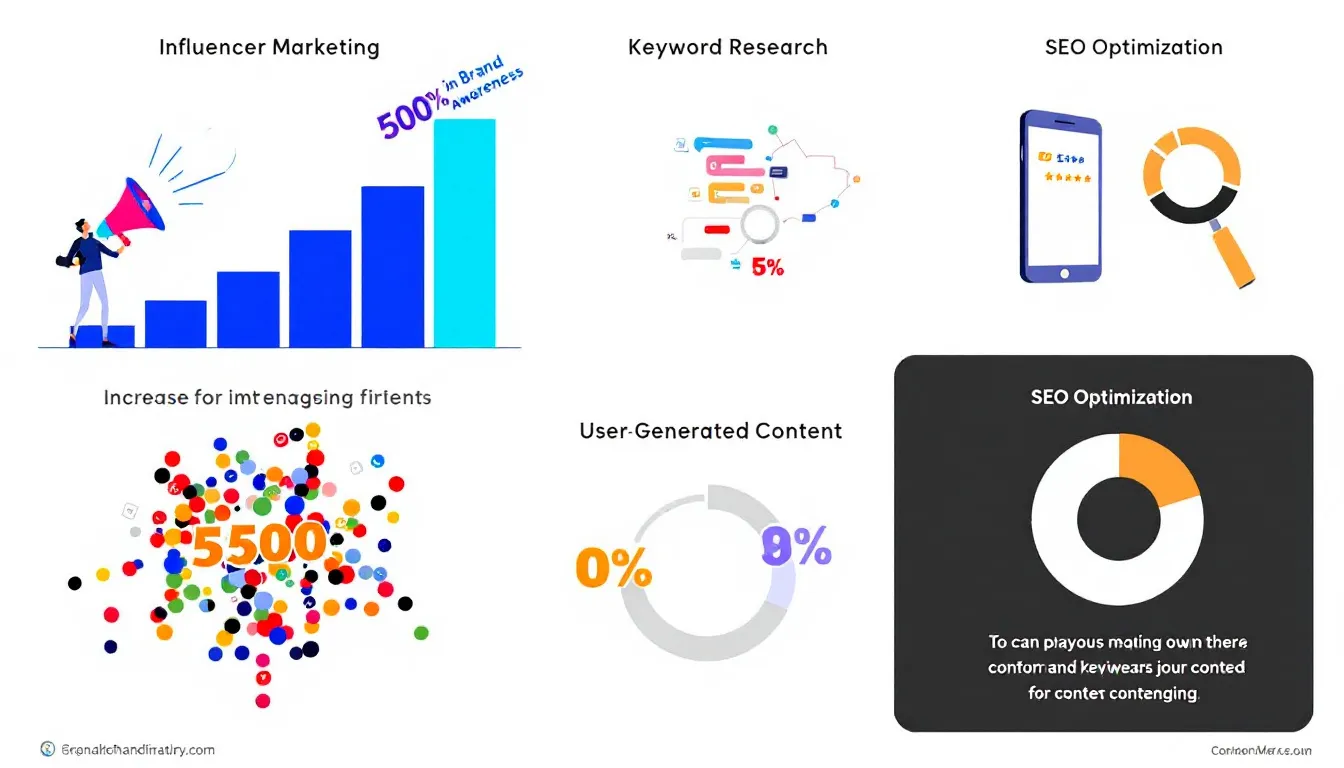
Content marketing plays a crucial role in inbound marketing strategies by creating valuable content that engages customers and aligns with their interests. For ongoing ideas and execution tips, many marketers rely on a digital marketing blog with practical guides and case studies. Offering free tools is another effective content marketing tactic, as these resources can attract backlinks and improve SEO by providing high-quality, shareable value to your audience. Brands like Buffer, Neil Patel, and American Express have demonstrated how effective content marketing can drive traffic, enhance engagement, and build brand authority.
Buffer's Blog Strategy

Buffer’s blog strategy prioritizes creating high-quality content that resonates with its audience and provides actionable insights. Buffer addresses common pain points and challenges faced by social media marketers, ensuring that its content remains relevant and valuable. The blog post covers social media marketing strategies and productivity tips, helping readers improve their skills and outcomes.
Buffer’s success lies in its ability to research audience preferences and keep up-to-date with industry trends. This allows it to curate content that meets the needs of its readers, driving traffic and enhancing user engagement and brand loyalty.
Neil Patel’s Blog and SEO Tactics

Neil Patel’s blog is recognized for its extensive content and thought leadership in digital marketing. Through comprehensive guides and case studies, Patel establishes himself as a trusted authority in the industry. His effective use of SEO tactics helps attract significant organic traffic to the blog, increasing its visibility and outreach.
The detailed content not only enriches readers but also enhances Patel’s reputation as a knowledgeable resource. This approach demonstrates the power of combining high-quality content with effective SEO strategies to achieve inbound marketing success.
American Express OPEN Forum
The American Express OPEN Forum is a dedicated platform that provides valuable business advice and resources specifically tailored for small business owners. Much like a checklist of essential questions to shape effective marketing campaigns, the forum promotes American Express products and emphasizes actionable insights and thought leadership in the small business sector.
Users can access a wealth of content, including articles, expert opinions, and tips to help them navigate the challenges of running a small business. The platform also offers networking opportunities, allowing small business owners to connect with peers and industry leaders for advice and support. This demonstrates the importance of providing valuable content to assist customers and foster business growth.
Social Media Marketing Success Stories
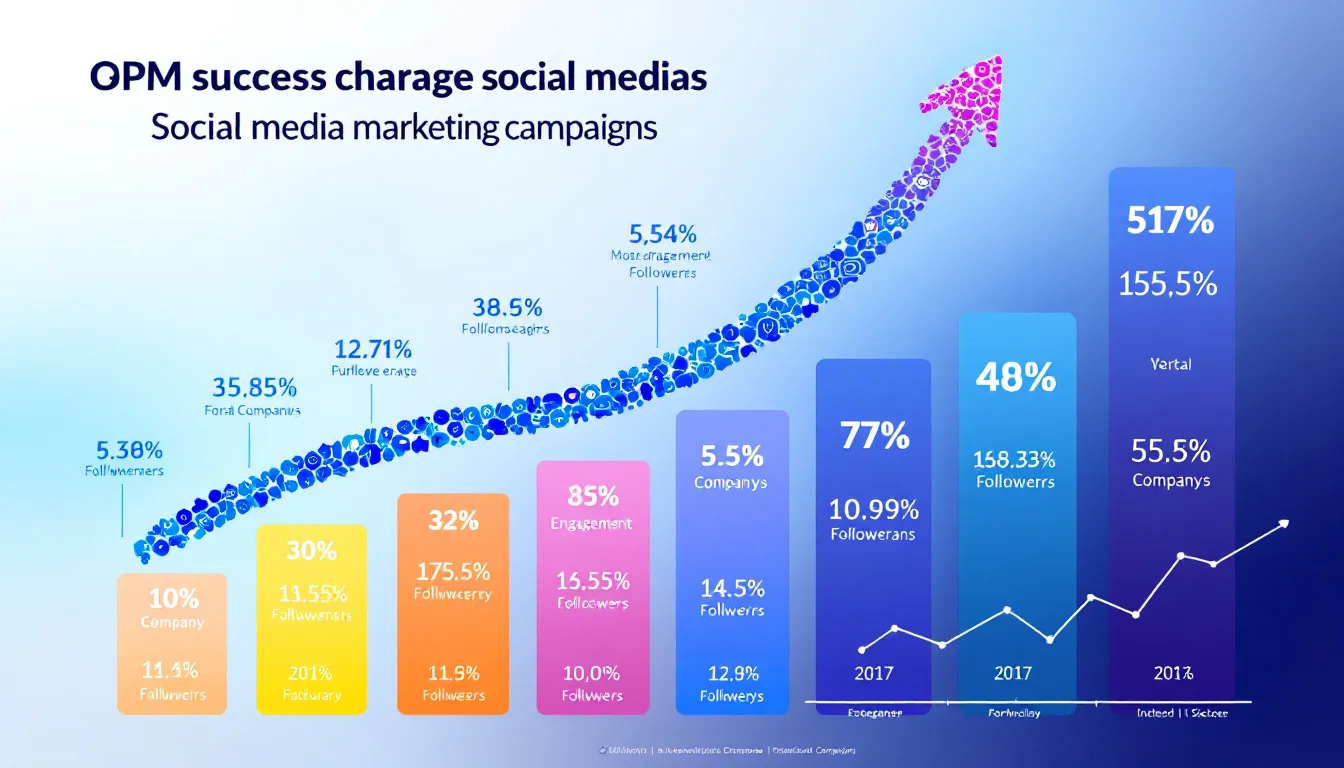
Social media marketing plays a pivotal role in inbound strategies by increasing inbound page sessions to contact conversion rates and amplifying content reach. Consistent messaging across social media and other channels is essential for building trust and engagement, ensuring that audiences receive a uniform brand experience. Many teams now treat social as one component of broader growth marketing services that coordinate multichannel campaigns. Brands like GoPro, Wendy’s, and Airbnb have successfully leveraged social media to engage customers and build brand awareness.
GoPro's User-Generated Content

GoPro’s strategy centers on enabling users to capture and share exhilarating moments, effectively turning customers into brand ambassadors. By encouraging user-generated content, GoPro creates a thriving community of passionate users who promote the brand through their own experiences.
This approach not only provides valuable and authentic content creation but also enhances user engagement and brand loyalty among social media users. GoPro’s success illustrates the power of user-generated content in creating valuable content and shareable social media posts.
Wendy’s Twitter Engagement
Wendy’s is renowned for its clever and timely responses on Twitter, which significantly enhance customer interaction. By leveraging humor and real-time engagement, Wendy’s turns social media exchanges into memorable brand experiences.
The brand’s witty exchanges on Twitter have turned many of its tweets into viral content, boosting engagement and enhancing its social media performance. Wendy’s success demonstrates the impact of effective social media marketing in engaging customers and building brand awareness.
Airbnb’s Instagram Strategy
Airbnb utilizes visually appealing images and strategic hashtags to inspire travel and engage potential customers on Instagram. Airbnb showcases unique accommodations and travel experiences, effectively connecting with audiences and strengthening brand connections.
The high-quality visuals and user-generated content create an aspirational lifestyle, encouraging followers to envision their next travel experience. Airbnb’s success on Instagram highlights the importance of using visual content to build brand awareness and engage customers.
Email Marketing Case Studies

Email marketing is a pivotal strategy for nurturing leads and converting prospective customers into customers. Engaging customers through multiple touchpoints—such as email, social media, and personalized content—is essential to guide them through the buying journey and maintain consistent engagement. By providing tailored content and offers, brands can effectively engage with their audience and enhance brand loyalty through emotional connection and perceived value.
Examples of successful email marketing campaigns include Grammarly, Birchbox, and Charity: Water.
Grammarly's Personalized Email Campaigns
Grammarly utilizes personalized emails to effectively engage users and appeal to potential premium subscribers. Grammarly customizes email content based on user behavior and writing patterns, reflecting individual progress and suggesting relevant upgrades.
Engagement strategies include reminders for writing improvements and showcasing how premium features can enhance the user’s experience. These personalized email campaigns have driven significant conversion rates towards premium subscriptions, contributing to Grammarly’s customer engagement growth.
Birchbox’s Monthly Newsletters

Birchbox’s newsletters feature customized beauty tips and product recommendations, fostering a stronger connection with customers. By using monthly newsletters as a key strategy, Birchbox effectively engages with its customers and enhances customer loyalty.
The strategic content in the newsletters helps to build a loyal customer base by providing valuable and relevant information. Birchbox’s success demonstrates the power of personalized email campaigns in strengthening customer relationships.
Charity: Water’s Storytelling Emails
Charity: Water employs narrative-driven emails to emotionally connect with donors, motivating them to support their cause. Charity: Water uses compelling stories to create an emotional connection, encouraging donations and fostering a sense of community among supporters.
This approach highlights the effectiveness of storytelling in email marketing, illustrating how brands can use narratives to engage customers and drive action.
SEO-Driven Content Strategies

SEO is a key component of a successful inbound marketing strategy, as it enhances visibility and drives organic traffic. Brands like Backlinko, REI, and NerdWallet have demonstrated how effective SEO-driven content strategies can improve search engine rankings and attract more visitors. Conducting a regular competitor site analysis to benchmark SEO, content, and social performance and incorporating digital PR and earning mentions on news sites as part of your SEO-driven strategy can further enhance your brand's online presence and credibility.
Backlinko’s SEO Guides
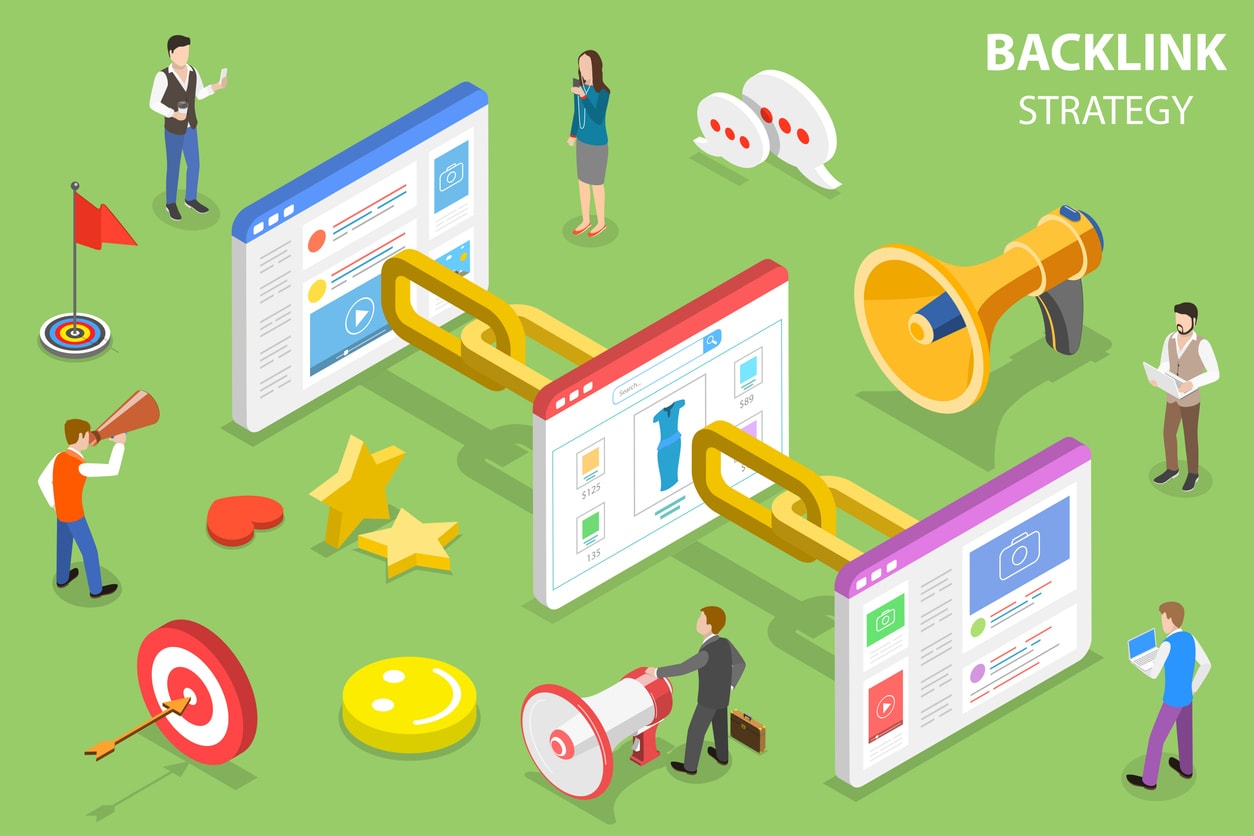
Backlinko enhances its authority by offering extensive, informative guides that address various SEO topics, which helps to draw significant organic traffic. These comprehensive guides cover a wide range of SEO subjects, providing valuable insights to both novices and experienced marketers.
As a result, Backlinko’s guides play a crucial role in attracting organic traffic to their platform and establishing their expertise. This approach demonstrates the importance of creating high-quality, SEO-optimized content to achieve inbound marketing success.
REI’s Expert Advice Section

REI uses detailed guides and articles optimized for search engines, including relevant keywords, to enhance its visibility among outdoor enthusiasts. REI focuses on on-page SEO, Google ads, and acquiring backlinks to attract more visitors, driving both traffic and sales.
The Expert Advice section provides valuable insights and practical tips, helping REI establish itself as a trusted resource in the outdoor industry. This strategy highlights the effectiveness of SEO-driven content in building brand authority and engaging target audiences.
NerdWallet’s Financial Tools

NerdWallet combines comprehensive financial tools with SEO strategies to secure high rankings for financial advice, significantly boosting its organic reach. NerdWallet effectively leverages SEO to achieve high visibility in search results for financial advice.
This strategic approach significantly enhances NerdWallet’s organic traffic, attracting more users to its platform and providing valuable financial insights. NerdWallet’s success demonstrates the power of combining SEO with valuable content to engage users and build brand credibility.
Video Content Marketing Examples
Video content plays a significant role in inbound marketing strategies by providing engaging and shareable content. Brands like Dollar Shave Club, Blendtec, and TED Talks have effectively used video content to enhance brand visibility and engage audiences. Great inbound marketing often includes creative video content that increases brand awareness and audience engagement.
Dollar Shave Club’s Viral Video
Dollar Shave Club’s launch video's quirky approach significantly boosted its brand recognition and customer sign-ups. The humorous viral video not only increased brand visibility but also led to a significant increase in subscriptions shortly after its release.
The launch video gained over 12,000 new customers within 48 hours and garnered over 4.75 million views in its first three months, demonstrating the power of creative video content that attracts customers and buyer personas in driving engagement and customer acquisition.
Blendtec’s “Will It Blend?” Series
Blendtec’s ‘Will It Blend?’ series creatively showcases their product’s durability by blending various unusual objects, attracting viewer attention and engagement. The series not only effectively demonstrates the durability of Blendtec’s blenders but also does so in a captivating manner that engages viewers.
As a result of the series, Blendtec experienced remarkable online viewership and substantial sales growth. The ‘Will It Blend?’ video series became a powerful marketing tool for Blendtec, showcasing the brand’s innovation and ensuring a fun viewer experience.
TED Talks’ Educational Videos
TED Talks leverages high-quality educational videos to foster a global community, attracting millions of viewers who seek knowledge across diverse topics. The high-quality educational videos have attracted millions of viewers and fostered a global community centered on knowledge sharing.
TED Talks effectively utilize storytelling in educational videos, engaging a diverse global audience eager for knowledge. With over 3,000 talks and millions of views, TED Talks exemplify the power of video content in engaging and educating audiences.
Influencer Marketing Campaigns

Influencer marketing extends brand reach and fosters trust by leveraging influencers’ credibility and audience. When planning inbound marketing campaigns, it is crucial to identify exactly who the target audience is to ensure influencer partnerships resonate with the right people. Many brands execute these collaborations through full-service digital marketing agencies that manage SEO, PPC, social, and influencer programs. Successful campaigns by brands like Daniel Wellington, Glossier, and Audible demonstrate the effectiveness of influencer collaborations in inbound marketing strategies.
Daniel Wellington’s Instagram Partnerships
Daniel Wellington effectively uses influencer marketing on Instagram to promote its watches through collaborations with various influencers. By leveraging influencers’ personal style and audience trust, Daniel Wellington enhances visibility and drives sales.
These influencer collaborations and brand ambassador strategies significantly contribute to driving sales for Daniel Wellington, showcasing the power of influencer marketing in building brand awareness and engaging customers.
Glossier’s Micro-Influencer Strategy
Glossier utilizes micro-influencers to create relatable content, resulting in deeper engagement with their target market. By strategically partnering with micro-influencers, Glossier creates authentic brand content that resonates with niche audiences.
The brand’s campaign ‘You Look Good’ engaged micro-influencers to share genuine experiences, aligning with Glossier’s focus on natural beauty. This strategy highlights the effectiveness of micro-influencer collaborations in building brand awareness and engaging customers.
Audible’s Podcast Sponsorships
Audible strategically sponsors popular podcasts to leverage their reach and effectively engage specific demographic segments by associating with well-established podcasts. Audible targets its marketing efforts at audiences most likely to appreciate and subscribe to audiobook services.
Listeners of sponsored podcasts exhibit higher engagement levels, resulting in increased brand awareness and affinity for Audible. The implementation of podcast sponsorship has been linked to a significant rise in Audible subscriptions following campaigns.
Interactive Content Examples

Interactive content fosters user engagement by creating compelling content that leads to memorable and shareable experiences. Brands like BuzzFeed, HubSpot, and The New York Times have successfully used interactive content to capture leads and enhance user engagement. To maximize the impact of interactive content in inbound marketing, it's essential to track performance metrics, allowing you to measure effectiveness and make data-driven improvements.
BuzzFeed’s Quizzes
BuzzFeed’s quizzes are designed for entertainment and social sharing, significantly increasing user interaction and brand visibility. By crafting quizzes that are shareable, BuzzFeed drives significant social media engagement and audience participation.
These quizzes tap into popular culture and trends, enhancing their shareability across social media platforms. BuzzFeed’s success demonstrates the power of interactive content in engaging audiences and building brand awareness.
HubSpot’s Website Grader
HubSpot’s Website Grader provides users with tailored feedback on their website’s performance, encouraging them to improve their digital presence. By offering personalized feedback, the tool attracts potential leads and generates valuable insights.
This interactive tool not only helps users optimize their websites but also enhances user engagement and drives lead generation. HubSpot’s success highlights the effectiveness of interactive content in engaging users and providing valuable insights on the landing page.
The New York Times Interactive Articles
The New York Times employs interactive articles to create immersive reading experiences, increasing reader engagement and retention. By combining storytelling with user engagement, The New York Times makes news more compelling and memorable.
These interactive articles often include multimedia elements, enhancing the reader’s experience and retention of information. The New York Times’ success demonstrates the power of interactive content in engaging readers and building brand credibility.
Long-Form Content Marketing
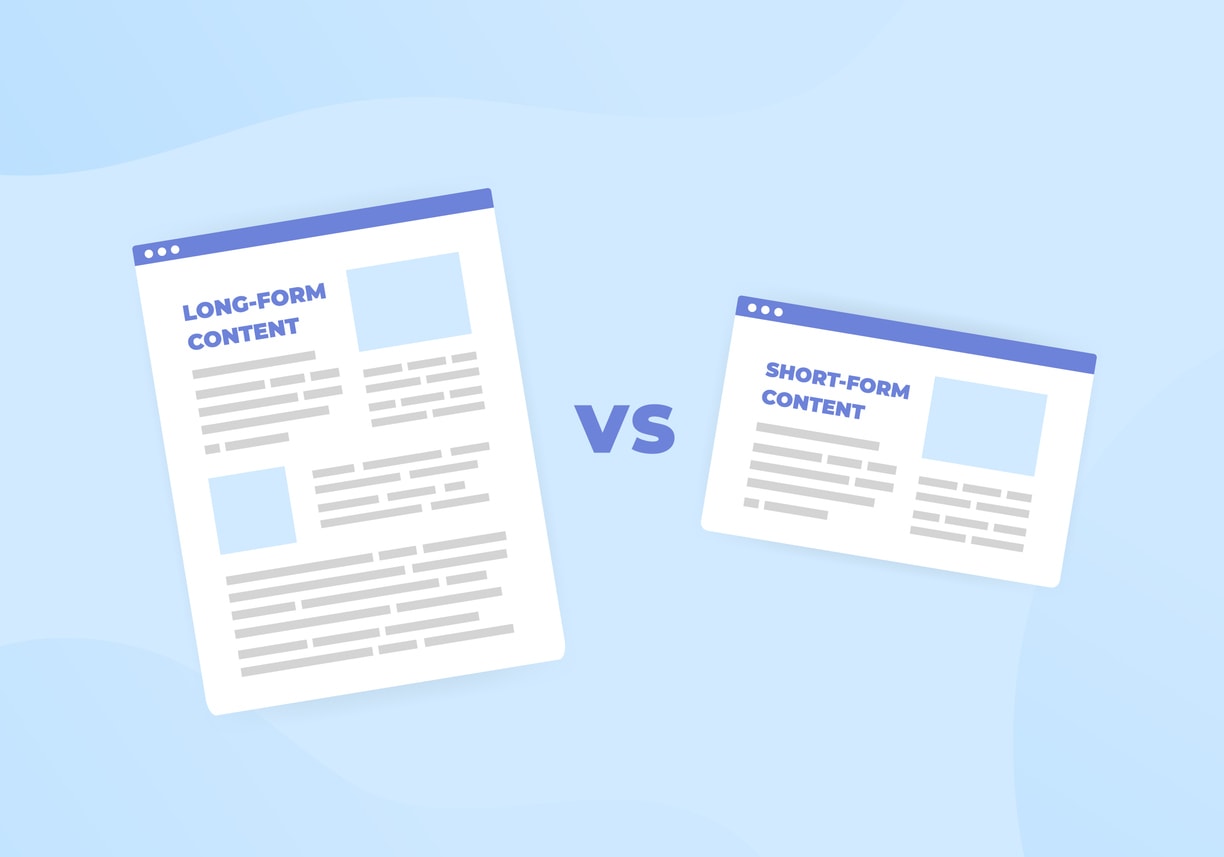
Long-form content plays a crucial role in inbound marketing by providing extensive information on specific topics, enhancing reader engagement. Brands like Neil Patel, Shopify, and Ahrefs have effectively used long-form content to establish authority and engage audiences.
The Ultimate Guide to Digital Marketing by Neil Patel
Neil Patel’s guide covers a wide array of digital marketing tactics, showcasing his expertise and drawing substantial organic traffic. Known for its detailed information and actionable strategies, the guide attracts substantial organic traffic and helps enhance digital marketing skills.
By providing a step-by-step approach to digital marketing, Patel’s guide makes complex topics accessible to beginners and valuable for experts. This approach highlights the power of long-form content in establishing thought leadership and driving engagement.
Shopify’s E-commerce University
Shopify offers detailed resources through its E-commerce University to assist entrepreneurs in navigating online selling. By providing free resources and courses, Shopify enhances e-commerce skills and helps entrepreneurs succeed in online retail.
The resource hub provides entrepreneurs with educational content to enhance their e-commerce knowledge and skills, demonstrating the effectiveness of long-form content in building brand authority and supporting users.
Ahrefs’ Comprehensive SEO Guides
Ahrefs provides extensive SEO guides that educate users and effectively demonstrate their tools’ capabilities. By covering various SEO topics, Ahrefs equips users with the knowledge to optimize their websites effectively and improve search rankings.
The structured guides significantly increase user understanding of search engine optimization, highlighting the importance of long-form content in engaging and educating users.
Summary

Inbound marketing is a powerful approach that focuses on creating valuable content to attract, engage, and delight customers. By leveraging successful inbound marketing campaigns, content marketing, social media strategies, email marketing, SEO-driven content, video content, influencer collaborations, and interactive content, brands can effectively build relationships and drive business growth.
The examples provided in this guide demonstrate the diverse ways in which inbound marketing can be implemented to achieve remarkable results. By understanding and applying these strategies, you can enhance your inbound marketing efforts and create lasting relationships with your audience. Embrace the power of inbound marketing to transform your business and achieve sustainable success.
Frequently Asked Questions Inbound Marketing Examples
What is meant by inbound marketing?
Inbound marketing is a strategic approach focused on attracting customers through valuable content and experiences tailored to their needs, fostering trust and long-term relationships. By prioritizing information sharing over traditional advertising, it effectively engages audiences and provides solutions to their problems.
What are the 4 stages of inbound marketing?
The four stages of inbound marketing are attract, convert, close, and delight. These stages guide the process of drawing in customers and nurturing them through to a delighted relationship.
What is an example of inbound and outbound marketing?
An example of inbound marketing is content marketing through blogs and opt-in email nurture flows, while outbound marketing can be represented by TV ads and cold calling. Both strategies serve different purposes in reaching potential customers.
How does content marketing fit into inbound marketing?
Content marketing is integral to inbound marketing. It delivers valuable and relevant content, effectively engaging and attracting potential customers. Thus, it serves as a fundamental strategy for fostering consumer relationships and driving conversions.
What are some examples of successful inbound marketing campaigns?
Successful inbound marketing campaigns include HubSpot's informative content strategy, Moz's engaging Whiteboard Fridays, and Patagonia's commitment to environmental advocacy. All are centered on providing valuable content and fostering customer relationships.

Ready to Accelerate Your Growth Marketing Analytics?
Transform your business with strategic growth marketing and advanced analytics insights. Whether you aim to optimize your click-through rates, improve conversion tracking, or develop comprehensive performance measurement strategies, our expert team at Asymmetric Marketing is here to guide you.
Get Started Today:
Schedule a Consultation: Explore tailored analytics and optimization strategies for your digital marketing campaigns. [Book Now]
Learn More: Discover additional insights and resources to enhance your marketing analytics and ROI. [Explore More]
Take the next step towards data-driven growth and marketing success. Let's amplify your business potential with more intelligent analytics!
Mark Hope
Partner, Asymmetric Marketing
📧 mark.hope@asymmetric.pro
📞 (608) 410-4450

About the author
Mark A. Hope is the co-founder and Partner at Asymmetric Marketing, an innovative agency dedicated to creating high-performance sales and marketing systems, campaigns, processes, and strategies tailored for small businesses. With extensive experience spanning various industries, Asymmetric Marketing excels in delivering customized solutions that drive growth and success. If you’re looking to implement the strategies discussed in this article or need expert guidance on enhancing your marketing efforts, Mark is here to help. Contact him at 608-410-4450 or via email at mark.hope@asymmetric.pro.