

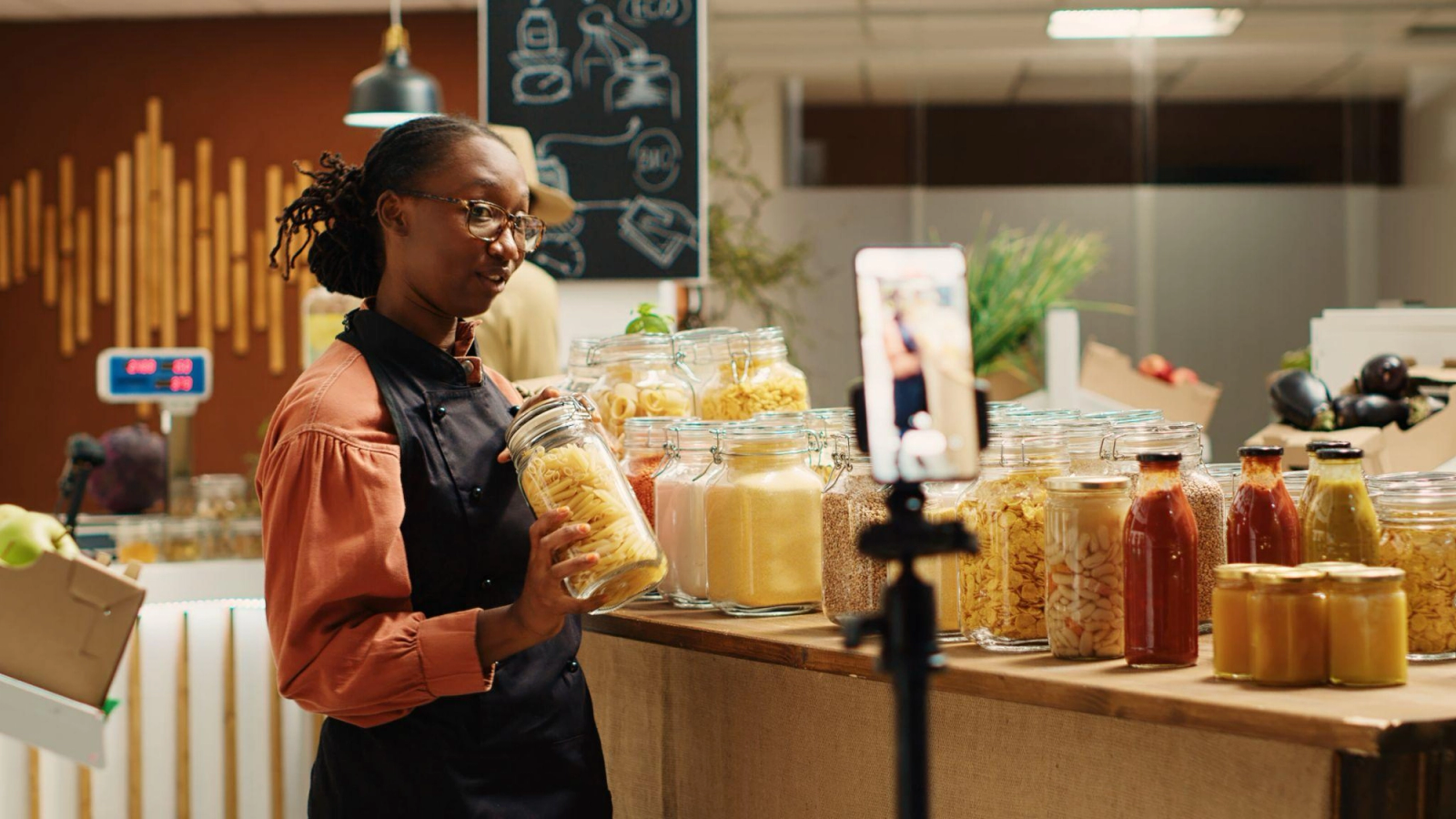
TikTok has fundamentally changed how food brands reach consumers. A single viral video can sell out a product faster than a national TV campaign, and the brands winning aren't the ones with the biggest budgets. This article breaks down exactly how small food and drink brands use TikTok marketing to steal market share from legacy CPG, and how you can apply the same playbook.
Key Takeaways
- TikTok has become the most important platform for food brand discovery. FoodTok views increased by 57% last year, and the category now drives hundreds of millions in commerce through TikTok Shop alone.
- Small food brands routinely outmaneuver legacy CPG by moving faster on food trends, putting founders on camera, and partnering with creators whose audiences already trust. The 2021 baked feta pasta caused a 4.6× spike in ingredient orders on Instacart. The 2022 "pink sauce" sold out within weeks of going viral. The 2023 tinned fish craze grew brands like Fishwife by roughly 9,900%.
- Authenticity, speed, and creative storytelling matter more than ad spend. Gen Z prefers raw, relatable content over polished ads, and 55% of Gen Z bought something after seeing it on TikTok.
- Asymmetric Applications helps food and drink brands build TikTok-first marketing strategies that connect with younger consumers and turn discovery into demand.
- This article includes a practical Q&A section covering budgets, timelines, and what to do if your brand is camera-shy.
Why TikTok Matters So Much for Food and Drink Brands Right Now
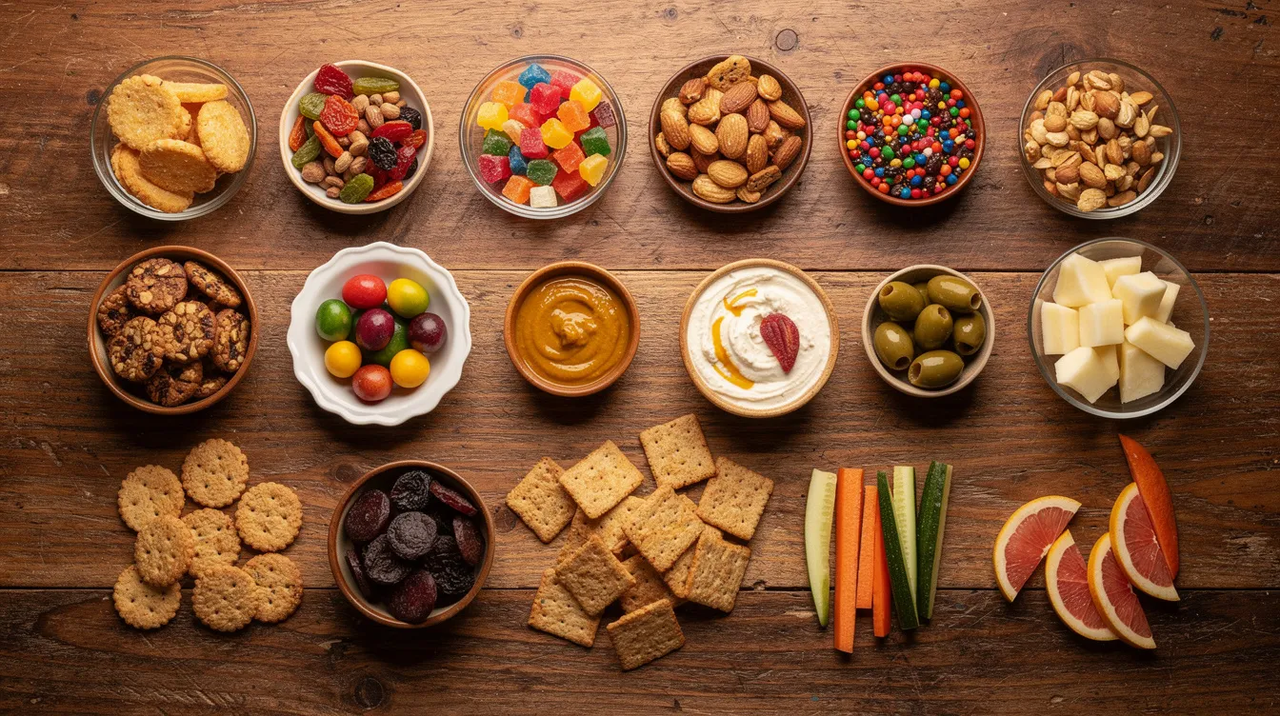
The pandemic cooking boom of 2020–2021 turned millions of people into home chefs, and TikTok became their recipe book. What started with cloud bread and whipped coffee evolved into a full-blown food culture engine. Today, #FoodTok and #SnackTok are among the platform's most active subcultures, and they're reshaping how consumers discover, evaluate, and purchase food.
The numbers back this up. TikTok surpassed 1 billion monthly active users by 2024 and continued climbing. 73% of consumers feel a deeper connection to brands on TikTok than on other platforms. And 49% of TikTok users say the app influences their purchasing decisions directly.
TikTok's algorithm promotes the discovery of new content rather than rewarding existing follower counts. This means a local hot sauce brand or a new restaurant can land on the For You Page and reach millions of potential customers without a TV-sized budget. The algorithm boosts visibility for accounts with engaging content, period. Compare that to Instagram's follower-bias or YouTube's subscription model, and TikTok offers a unique opportunity for food brands that legacy digital marketing channels simply don't match. It's now often the first touchpoint for younger demographics before Google search or in-store browsing, making it an important part of any serious digital marketing strategy.
How Small Food Brands Are Outsmarting Legacy CPG on TikTok
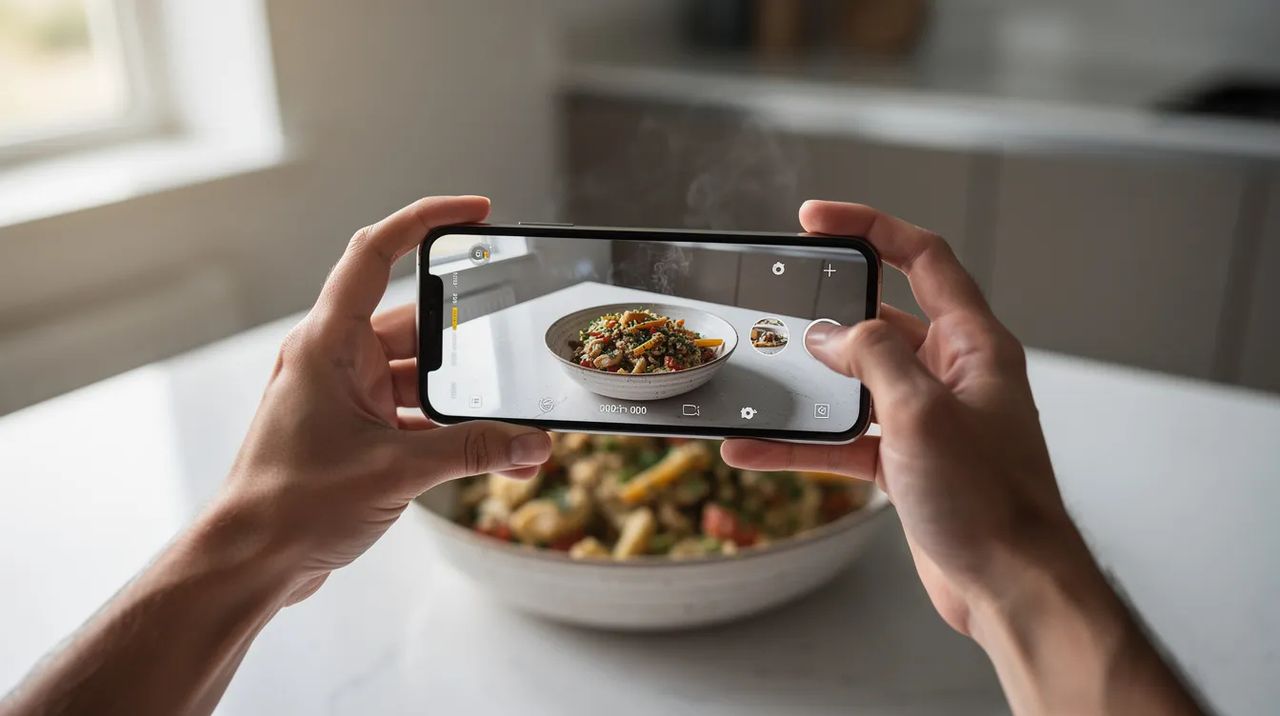
Picture a legacy CPG company launching a new product: months of creative development, focus groups, retail negotiations, and a multi-million-dollar TV buy. Now picture a small snack brand filming a 30-second taste test on an iPhone, posting it Tuesday morning, and selling out by Friday.
That's not hypothetical. Viral TikTok content can significantly increase product demand almost overnight. Tapatío Ramen leveraged creator content to surpass Amazon's monthly sales for the first time, generating roughly 1.2 million organic impressions and a 19% purchase rate. The f'real brand built its TikTok presence in-house with organic content and creator partnerships, achieving 24.1 million impressions and a 7.1% monthly lift in unit sales during the campaign. Amos 4D Gummies used a TikTok challenge to generate 15 million views and 450% year-over-year sales growth.
The core advantages small food brands have on TikTok:
- No creative red tape, so they can post the same day a trend breaks
- Direct founder involvement on camera, which reads as authentic
- Faster adoption of trending sounds, formats, and recipes
- Greater willingness to show messy, real behind-the-scenes content
These advantages translate into real impact: sellouts at Target or Walmart, DTC subscription spikes, restaurant waitlists, and wholesale interest from retailers who notice the buzz. Asymmetric Applications specializes in building this kind of agile TikTok marketing strategy so smaller brands can systematically punch above their weight.
Understanding TikTok's Food Culture: From #FoodTok to #SnackTok
TikTok food culture has evolved rapidly. What began as pandemic recipes in 2020 has branched into specialized subcultures that marketers need to understand:
- #FoodTok: Recipes, cooking hacks, and plated food content
- #SnackTok: Packaged snack reviews, drink brands, and taste comparisons
- #RestaurantTikTok: Dining experiences, ambiance shots, and local eatery discoveries
- #BudgetMeals: Value-focused cooking and affordable ingredient ideas
Each wave has left measurable marks on retail. The 2021 baked feta pasta trend caused feta and cherry tomato orders to spike 4.6× on Instacart. Emily Mariko's 2021 salmon rice bowl drove salmon and seaweed orders up 100% and Kewpie mayonnaise up 155% in one week. The 2022–2023 birria taco wave and the tinned fish craze followed similar patterns, forcing grocery chains to adjust inventory based on TikTok trends.
Treat TikTok as a live focus group. Monitoring recipes, reviews, and reactions reveals real-time insights about flavors, formats, and packaging that younger consumers actually care about. Many brands now use this as a niche research tool before formal product development.
Core TikTok Marketing Strategy for Food and Drink Brands
This section lays out a repeatable framework. Whether you're a CPG snack company, a drink brand, or a restaurant, the pillars are the same:
- Audience definition: Focus on Gen Z and young Millennials. 70% of Gen Z follow food personalities on social media, and they respond to content that feels human.
- Brand voice and positioning: Adapt your existing positioning into a TikTok-native tone that's playful, lo-fi, and conversational. Your brand voice on TikTok doesn't have to match your website copy word-for-word.
- Content cadence: Aim for 3–5 posts per week. Mix evergreen content with fast-moving trend responses. Batch content creation to stay consistent.
- Creator collaborations: Build ongoing relationships rather than one-off deals.
- Measurement: Track engagement, click-throughs, and downstream sales.
Effective strategies include educational content and leveraging user-generated content. Food brands can effectively utilize TikTok for marketing by creating authentic content that doesn't feel like advertising. Asymmetric Applications can translate high-level marketing goals into TikTok-specific content strategy and campaign roadmaps.
Building a TikTok-First Content Strategy for Food Brands
This is the playbook for planning TikTok content: not random posts, but a deliberate content strategy shaped around discovery and conversion.
Core content categories to build around:
- Quick recipes using your product (15–30 seconds)
- Snack pairings and unexpected flavor combinations
- Taste tests and honest reactions to new product launches
- Behind-the-scenes production footage
- Founder stories and "why we started" narratives
- User-generated content highlights and reposts
TikTok users prefer relatable, behind-the-scenes glimpses and user-generated content over polished studio work. Shoot on phones, use native editing tools, add trending sounds, and on-screen text. 82% of Gen Z trust brands using real customer images in ads, so feature your customers liberally. Plan monthly content calendars that balance trend-jacking with brand-owned recurring series like "Friday flavor tests" or "$10 grocery haul meals."
Content Formats That Consistently Work on FoodTok
Certain formats routinely outperform for food and drink brands. Food is highly shareable, making user-generated content campaigns effective for building trust.
Proven formats:
- Packet to plate: Transform a packaged product into a delicious finished dish
- ASMR cooking and drink pours: Crunches, sizzles, fizz sounds
- Taste-test duets: React to competitors or new product flavors
- Grocery haul breakdowns: Show value and meal planning
- Menu hacks: Combine existing menu items into something new (think Burger King secret combos or Nutter Butter recipe twists)
- Expectation vs. reality: Honest, fun comparisons
- Rating local restaurants: Drive engagement and connect with local audiences
Successful strategies involve showcasing products in relatable and appetizing ways. Showcase food visually by highlighting it in short recipe videos instead of standard commercials. Each format supports different funnel stages: awareness through viral recipes, consideration through reviews, and conversion through limited-time offers.
Working With TikTok Creators and Food Influencers
Creators are central to influencer marketing on TikTok because 62% of TikTok users prefer creators for brand connections over traditional brand accounts. Partnering with creators boosts TikTok ad view-through rates by 193%, making creator content one of the highest-ROI marketing efforts available.
For snack and beverage brands, micro-influencers (10K–100K followers) and nano-creators (under 10K) often outperform macro influencers because their audiences trust them more deeply. Denny's collaborated with 24 TikTok creators for menu development, showing how even established restaurants use creator partnerships to reach new audiences.
A simple process to follow:
- Identify creators whose audience matches your ideal shopper
- Send product for honest reviews (no scripts)
- Co-develop recipes, dishes, or menu items together
- Build longer-term ambassador relationships
Structuring TikTok Creator Campaigns for Maximum Impact
Structure matters more than one-off "post and pray" influencer deals. Key campaign elements:
- Clear creative brief with must-show product moments
- FTC disclosure compliance
- Batch content drops around key retail dates or seasonal food trends
- Repurpose top-performing creator clips into paid Spark Ads
- Negotiate usage rights upfront for cross-channel advertising
For example, a 4-week launch campaign for a new snack flavor might involve 10–15 mid-sized creators posting staggered taste-test videos, with the top 3 performers boosted as paid ads in weeks 3–4. Asymmetric Applications can coordinate multi-creator programs and consolidate performance data for companies scaling their TikTok marketing.
TikTok for Restaurants and On-Premise Food Experiences
TikTok isn't just for packaged CPG. Restaurant marketing thrives on the platform because dining is inherently visual and emotional. Great content from restaurants includes kitchen line POVs, plating closeups, reveal shots of signature dishes, customer reactions, and staff personalities.
A new restaurant can build awareness faster through one viral TikTok than months of traditional advertising. Use city and neighborhood hashtags, geo-targeting, and post timing aligned with reservation and walk-in patterns to maximize local discovery.
Turning TikTok Views into Actual Visits and Orders
Connecting viral content to measurable business results requires deliberate conversion tactics:
- Clear calls to action in every post
- Links in bio to reservation or ordering platforms
- Exclusive TikTok-only menu items to engage curiosity
- Limited-time offers promoted via short videos
- Coordination with delivery partners so that inventory and staff can handle sudden demand spikes
Engage directly by replying to user comments and asking questions to build a loyal audience. Track everything with unique promo codes and UTM links so you connect TikTok content to actual revenue, not just vanity metrics.
Measuring TikTok Marketing Performance and Optimizing Campaigns
Treat TikTok like any other serious marketing channel with clear KPIs:
- Early signals: Views, watch time, saves, shares, comments, profile visits, follower growth
- Business outcomes: Click-throughs, coupon redemptions, sell-through rate, repeat purchase, incremental sales at retail or in-restaurant
Use an iterative testing approach. A/B test hooks, video lengths, captions, and posting times. Experiment with both organic content and paid ads. Asymmetric Applications can connect TikTok analytics with ecommerce and retail sales data so food brands see the full impact of their campaigns.
When to Add Paid TikTok Advertising to the Mix
Organic content is the foundation, but paid TikTok ads reliably scale what's already working. Add paid when a piece of content shows strong organic traction, or when launching into new retailers, cities, or flavors.
Key ad formats for food brands include Spark Ads (boosting existing organic posts), in-feed video ads, and awareness campaigns targeting grocery shoppers or local diners. Start with modest tests-a few thousand dollars over 30 days-focus on one or two audiences, and reinvest into winning creatives. Asymmetric Applications can manage media buying and creative testing for brands without in-house performance marketing teams.
Q&A: Practical TikTok Marketing Questions Food Brands Ask
This section answers common questions food brands and restaurants have when getting started or trying to scale on TikTok. Asymmetric Applications is positioned to help brands that want to move faster or avoid costly trial-and-error.
How much should a small food brand budget for TikTok marketing in the first 6 months?
A realistic starting range is $3,000–$15,000 for the first six months, split across content production, creator collaborations, and optional paid media. Many emerging food brands begin with primarily organic content and product-seeding to creators, then layer in paid ads once a few videos prove they can drive sales. Careful tracking of sales lift at specific retailers helps justify scaling the budget after early tests.
What if no one on our team wants to be on camera?
Many successful TikTok accounts for food and drink brands never show a face. POV cooking shots, hands-only demos, and creator partnerships work extremely well. You can also use voiceovers, text-only creative storytelling, and customer UGC to build a presence. Asymmetric Applications can source and manage on-camera talent so internal teams don't have to perform.
How long does it usually take to see results from TikTok marketing?
Brands typically see signal-level results like engagement and follower growth within 30–60 days of consistent posting. Meaningful business impact-sellouts, retail lift, steady online orders-usually takes 3–6 months of sustained effort. Most accounts need multiple content series and tests before finding their repeatable hits with Gen Z and other key audiences.
How should we handle negative TikTok reviews or harsh food reactions?
Acknowledge genuine feedback promptly and professionally. Use comment replies or follow-up videos to clarify, apologize when appropriate, and explain improvements. Honest criticism is valuable product insight. Bad-faith trolling is often best ignored or lightly defused with humor. Use patterns in negative comments as an informal focus group to adjust recipes, packaging, or messaging.
Can TikTok help us drive in-store grocery sales, not just DTC orders?
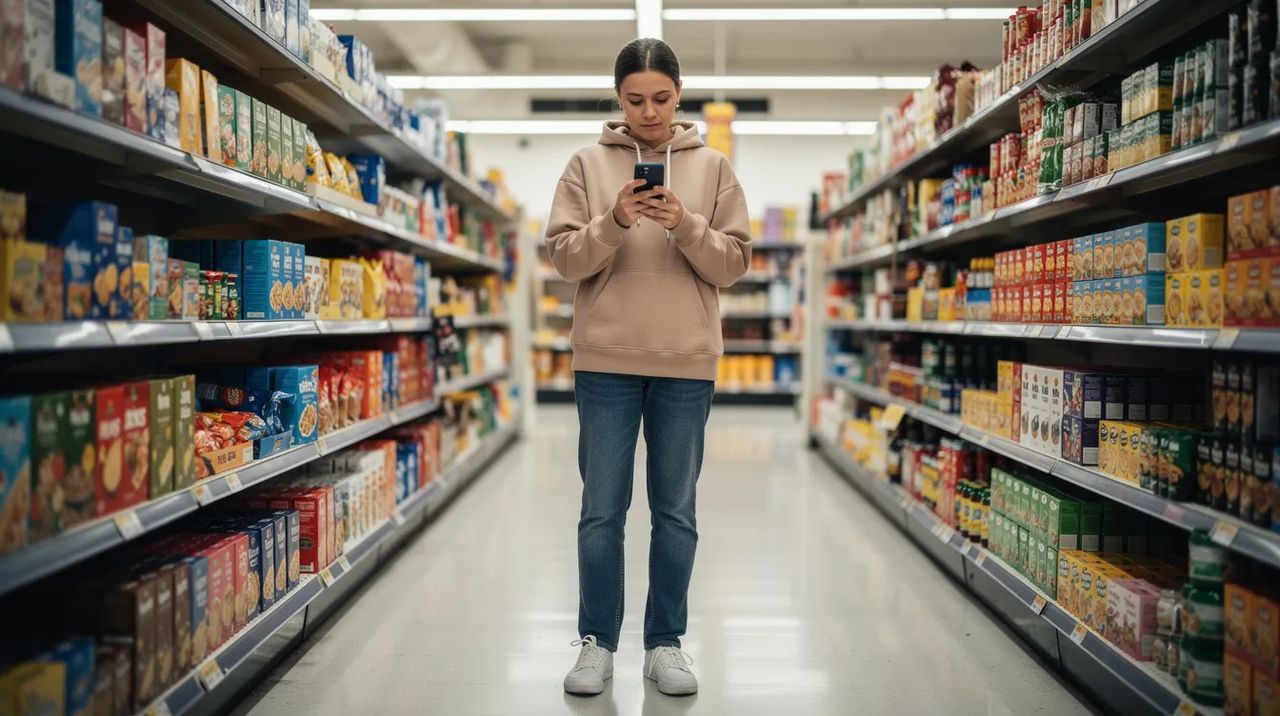
Absolutely. TikTok is now a proven driver of in-store demand. U.S. Food & Beverage on TikTok Shop generated $382 million in revenue in 2025, and viral content regularly causes sudden sellouts at chains like Target and Kroger. Add clear retailer calls-to-action in videos, geo-tag your posts, and coordinate with retail partners on endcaps or shelf talkers that reference your TikTok campaigns.