

October 21, 2026
Speed-to-Lead: Why the First Call Back Wins the Job
A homeowner with a leak or a dead furnace calls two or three companies and books the first one that gets back to them. How fast you need to respond, where callbacks stall, and how to fix it without hiring.
By Mark Hope, Founder, President & Chief Strategy Officer, Asymmetric Marketing
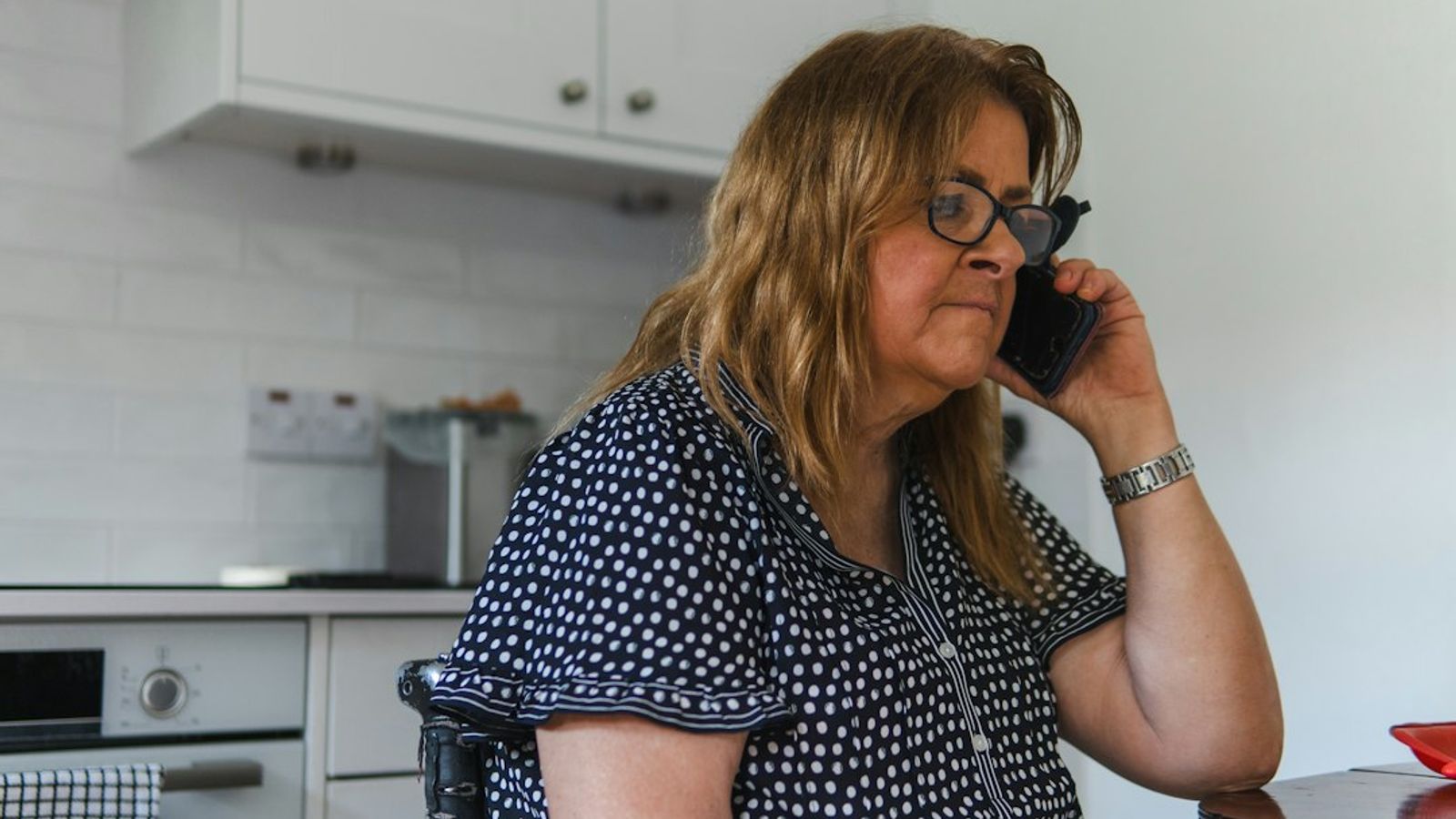
A homeowner with water on the basement floor doesn't call one plumber. They call two or three, or fill in a couple of web forms, and book whichever company gets back to them first with a real answer. The others call back an hour later to a customer who's already got a truck on the way.
That's speed-to-lead: the time between someone asking for help and a real person from your company responding. For most service businesses it's the cheapest growth lever they have, because it turns more of the leads you're already paying for into booked jobs.
Key takeaways
- Speed-to-lead is the time from a call, form, text, or Local Services Ads message to your first real response. An autoresponder doesn't count.
- The research is old and consistent: a Harvard Business Review audit found companies that responded within an hour were nearly seven times as likely to qualify the lead as those that waited even an hour longer.
- Aim for under five minutes on urgent jobs during business hours, and have a plan for nights and weekends.
- Slow response is usually a process problem (shared inboxes, unclear ownership, no after-hours coverage), not a people problem.
- You can fix most of it in 30 days without adding staff.
What counts as a response
The clock starts when someone reaches out: a phone call that goes to voicemail, a web form, a text, a Google Business Profile message, or a Local Services Ads lead. It stops when a real person replies with something useful.
"Thanks, we'll be in touch" doesn't stop the clock. "Hi Sarah, this is Mike from Lakeside Plumbing. I saw you've got water coming from under the water heater. Can you send a photo? We can have someone there by 2 today" does. The first tells the customer to keep shopping. The second gives them a reason to stop.
Why the first call back usually wins
When something breaks at home, the customer is anxious and wants it handled. They aren't comparing five quotes for a leaking pipe. They pick the first company that sounds competent and can give them a time. Once they've booked, the other companies become a backup, if they're remembered at all.
The best-known research on this is Harvard Business Review's 2011 audit, "The Short Life of Online Sales Leads". The researchers tested how quickly more than 2,000 U.S. companies responded to web inquiries. Among the companies that responded at all, the average response time was 42 hours. Companies that got back within an hour were nearly seven times as likely to qualify the lead as those that waited even an hour longer, and more than 60 times as likely as companies that waited a day or more.
That study covered all kinds of businesses, not just the trades. In home services the window is shorter, because the problem is urgent and the customer is already dialing your competitors.
It also affects what you pay for leads. Google says responsiveness is one of the factors in how Local Services Ads rank, so slow callbacks cost you twice: fewer of the leads become jobs, and you see fewer leads.
How fast is fast enough
Not every inquiry is equally urgent, but even your slowest target should be faster than most of your competitors manage.
- Under 5 minutes: the target for emergency and high-value work (no heat, active leaks, storm damage, a commercial facilities request) during business hours.
- Under 15 minutes: acceptable for routine requests like maintenance, estimates for planned projects, and general questions.
- Same evening or first thing in the morning: the floor for after-hours leads, with an instant text so the customer knows a person has the request.
- Over an hour: you're in the queue behind whoever answered first.
An emergency call at 9 p.m. needs a live answer or a callback within minutes. A request for a quote on a new patio door can wait until morning, as long as the customer hears from you before they hear from someone else.
Find out how fast you really are
Most owners think their team responds faster than it does. Measure it before you change anything.
- Pull the timestamps. Your CRM, field service software, or call tracking shows when each lead came in and when someone first called or texted back. Compare the two.
- Split it by source. Phone calls, web forms, Google Business Profile messages, and Local Services Ads leads often have very different response times. Forms and GBP messages tend to be the slowest, because nobody owns them.
- Check missed calls. Look at how many calls went unanswered during business hours and how long it took to call those people back. The Missed Call Revenue Calculator on our restoration page puts a dollar figure on it.
- Test yourself. Fill in your own web form on a Tuesday afternoon and again on a Saturday evening. Time how long it takes for a person to reply.
Where callbacks get stuck
The delays are rarely about effort. They come from how leads move through the business.

- A shared inbox. Web leads land in an inbox the office manager checks between other jobs.
- No clear owner. If a lead could belong to anyone, it waits until somebody notices it.
- Waiting for the owner. In some shops nobody quotes or schedules until the owner reviews the request, and the owner is on a job site.
- Gathering too much first. The team researches the property or pulls the customer's history before making the first call. Do that after you've made contact.
- Office-hours-only coverage. Leads that come in after 5 p.m. or on weekends sit until the next business day, and that's when a lot of homeowners are home and noticing problems.
- Notifications nobody sees. A new-lead email competes with 200 other messages.
How to respond faster without hiring
Most of the gain comes from setting the business up so fast is the default.
- Text every new lead right away. An automatic text that comes from a real person's name, confirms what they asked for, and says when they'll get a call keeps them from moving on. Every Pathfinder Sprint includes a speed-to-lead text-back that we set up and run, replying to every new lead in under 60 seconds, free for the first 30 days.
- Route every lead to one person. Decide who owns web forms, GBP messages, and LSA leads during each shift. One name, not "the office."
- Send alerts where people will see them. A text or a phone notification, not just an email.
- Cover nights and weekends. An answering service, an on-call rotation, or a voice agent that can answer, take the details, and book the visit all work. Pick one so after-hours leads get a response the same night.
- Keep your forms short. Name, phone, address, and what's wrong is enough. Short forms get more submissions, and you can ask the rest on the call.
Make the first call count
Speed gets you the conversation. What you say in it gets you the job. The first call should show you've read the request, answer the question the customer is worried about, and offer a specific time.
Give your team a short script for your most common calls: what to ask, how to set expectations on price, and how to book. If a lead doesn't answer, follow up by text and call a couple of times over the next few days, then stop. Persistence wins jobs. Pestering loses them.
Set targets and track them
Without a target, speed-to-lead stays a good intention. Write down response targets by lead type, track them weekly alongside booked jobs and close rate, and set a simple escalation: if an urgent lead sits for more than 10 minutes, it goes to someone else.
When a lead goes slow, treat it as a process problem to fix, not a person to blame. The goal is a system where the fast response happens even on your busiest day.
A 30-day plan
- Week 1: Measure your current response times by source, run your own test inquiries, and list where leads stall.
- Week 2: Shorten your forms, add an instant text-back, and fix your missed-call handling.
- Week 3: Set up routing so every lead has one owner, and move alerts to text or phone notifications.
- Week 4: Set response targets, add after-hours coverage, and start the weekly review.
What it looks like in practice
For eight years we were agency of record for Venturi Restoration, a national property restoration network. We built the lead-response system that cut their after-hours response times by 90% and doubled the rate at which leads became jobs. The work wasn't more ads. It was answering the leads they already had before a competitor did.
Find out where your leads are slipping
If you want help finding where leads stall in your business and setting up the fix, book a one-day working session. We'll measure your response times, go through your call and lead handling, and set up the text-back in your first 30 days. If you'd rather have it run for you every month, see the monthly plans.
Frequently asked questions
What is speed-to-lead?
Speed-to-lead is the time between a potential customer reaching out, by phone, web form, text, or a Local Services Ads message, and a real person from your company responding with something useful. Automatic "we got your message" replies don't count.
How fast should a home service business respond to a new lead?
Within five minutes for urgent or high-value jobs during business hours, and within 15 minutes for routine requests. After hours, send an instant text so the customer knows you have it, and call back the same evening or first thing the next morning.
Does speed-to-lead really affect how many jobs we book?
Yes. A Harvard Business Review audit of more than 2,000 companies found those that responded within an hour were nearly seven times as likely to qualify the lead as those that waited an hour longer. In home services the customer is usually calling several companies at once, so the first credible response often gets the job.
Can we improve response time without hiring more office staff?
Usually. Most delays come from shared inboxes, unclear ownership, and no after-hours coverage. An instant text-back, routing every lead to one person, alerts by text, and an answering service or voice agent for nights and weekends fix most of it.
Does response time affect Google Local Services Ads?
Google lists responsiveness as one of the factors in Local Services Ads ranking, along with things like reviews and your service area. Answering LSA calls and messages quickly helps you book more of those leads and helps your ads show more often.
About the author

Mark Hope
Founder, President & Chief Strategy Officer, Asymmetric Marketing
Mark Hope is the Founder, President & Chief Strategy Officer of Asymmetric Marketing. His career spans elite military service, senior leadership at two of the largest companies in their categories, and founding several companies of his own. It's the common thread behind how Asymmetric helps smaller companies out-compete bigger ones.
Mark began his career in U.S. Army Special Operations, serving from 1977 to 1988 in the 1st and 3rd Battalions of the 75th Ranger Regiment and as an Operator in 1st Special Forces Operational Detachment–Delta (Delta Force). What that world runs on (careful planning, reading your opponent, and winning from a position of disadvantage) is the foundation of how he helps smaller companies win today.