

Are you curious about the power behind the names Nike or Apple? That’s brand equity at work. Brand equity plays a crucial role in the success and recognition of well-known brands, driving consumer trust, loyalty, and higher brand valuation. In this article, you’ll learn about brand equity, why it’s essential for your business, and practical strategies to build it.
Key Takeaways
- Brand equity enhances customer trust and influences purchasing decisions, driving preference for established brands over cheaper alternatives.
- Strong brand equity enables companies to command a price premium, as customers are willing to pay more for trusted brands.
- Building brand awareness is a crucial first step in establishing brand equity.
- Critical components of brand equity include brand awareness, perceived quality, and positive brand associations, all of which contribute to customer loyalty and market share.
- Companies must develop a strong brand identity to effectively build brand equity, maintain consistent branding, and deliver exceptional customer experiences.
What is Brand Equity?

Brand equity refers to the additional value a company gains from having a recognizable brand compared to a generic alternative or unbranded product. Through it, consumers gain trust, quality assurance, and alignment with personal values. This intrinsic value drives 69% of consumers to prefer trusted brands over cheaper alternatives, highlighting the significant impact of brand equity on purchasing decisions. Brand equity is an intangible asset that significantly raises a company’s overall market value.
A consumer's awareness of a particular brand plays a crucial role in influencing their purchasing decisions and loyalty, as familiarity and recognition often lead to repeat purchases and stronger brand preference.
Strong brand equity allows companies to achieve more robust sales performance, increased market share, higher revenue, and enhanced brand visibility. When consumers perceive a brand as valuable, they are more likely to choose it over others, even if it comes at a higher price. The perceived quality and emotional connection that the brand fosters drive this preference.
In essence, brand equity represents a brand’s overall value and reputation. It includes:
- Brand awareness
- Perceived quality
- Brand associations
- Customer loyalty
Various brand equity models, such as those developed by leading marketing professors David Aaker and Kevin Keller, help businesses understand, measure, and build brand equity.
Knowing what defines brand equity is essential for businesses seeking to measure and maintain a competitive edge.
Critical Components of Brand Equity
Customer perception significantly influences consumer behavior, affecting their preferences and willingness to pay more. Brand equity shapes consumer preferences by influencing their choices, brand loyalty, and the perception of trustworthiness and reliability. The process through which customers develop brand equity involves awareness, opinion formation, and subconscious value association. According to David Aaker's model, the components of brand equity include brand awareness, brand loyalty, perceived quality, brand associations, and other proprietary assets. Brand meaning is a core aspect of brand identity and perception, shaping customer relationships and overall brand strategy. Additionally, brand equity affects a brand's ability to maintain a competitive advantage and achieve long-term success. Understanding these components is vital for any business to build strong brand equity.
Social proof plays a crucial role in brand equity, as validation from satisfied customers can boost a brand’s perceived value. Creating strong brand equity contributes positively to overall brand health, with strategies that directly enhance brand loyalty and long-term customer relationships.
Brand Awareness
Brand awareness is vital as it increases visibility and creates positive consumer associations. Brand awareness refers to the extent to which a brand is recognized by potential customers, which is crucial for building brand equity as it influences consumer choice and loyalty. Strong brand awareness enhances the customer's ability to interpret information and make confident purchase decisions, further strengthening brand equity. The key to brand recognition is consistency across all consumer touchpoints.
Recognizable features such as logos, brand ambassadors, and jingles are critical to brand recognition. For instance, Nike’s swoosh logo significantly contributes to brand awareness and consumer familiarity. To build brand awareness, ensure that customers can quickly identify your brand identity.
Advertising, engaging in brand campaigns, and establishing a social media presence are effective strategies to enhance brand awareness. Consistent and strategic efforts in these areas can significantly boost a brand’s visibility and recognition in the market.
Perceived Quality
Customer beliefs about what a product or service represents are critical in shaping brand perception. Product quality and consistently delivering high quality products are essential for building customer trust and enhancing brand reputation. A strong brand reputation comprises a good supply chain, governance, leadership, financial performance, innovation, and citizenship. Delivering best-in-class customer experiences creates positive brand associations and boosts perceived quality.
The perceived quality of a brand’s products can significantly influence consumer behavior, driving them to choose one brand over another. Perceived quality is a key component of brand equity, as it reflects consumers' perceptions of the overall quality of a brand's products or services, often leading to a willingness to pay premium prices. Higher perceived value allows brands to command premium prices and foster customer loyalty. Maintaining high standards in every business aspect, from product development to customer service, is crucial for a positive brand image and high brand equity.
Brand Associations
Positive brand associations can generate various feelings, including excitement, fun, peer approval, security, trust, and self-respect. Establishing strong brand associations is crucial for building brand loyalty, as these associations help create a compelling and memorable brand personality. Nike’s celebrity endorsements aim to create positive brand associations, linking their products to success and quality. When customers associate positive attributes with a brand, they are more likely to try new products and trust the brand’s offerings. These positive feelings evoked by a brand enhance customer trust and loyalty, further strengthening brand equity. What a brand stands for—its core values and beliefs—directly influences customer perception and overall brand equity. Positive brand associations can significantly enhance brand equity, as they create emotional connections with consumers and foster loyalty, driving repeat purchases.
Brand associations are consumers’ mental links between a brand and specific attributes or qualities. Building strong, positive associations requires strategic marketing and consistent branding efforts. Positive brand associations strengthen brand equity and differentiate the brand from competitors.
Fostering positive associations helps brands build a loyal customer base that sees the brand as integral to their lives. This deep emotional connection can translate into enduring brand loyalty and sustained business growth.
The Importance of Brand Equity

Brand equity maximizes company value, increases sales, boosts customer loyalty, and enhances prestige. A reputable brand with high brand equity establishes consumer trust and justifies premium pricing. This represents the brand’s overall value and reputation. The brand's reputation plays a crucial role in influencing customer behavior and loyalty, as consumers are more likely to choose and remain loyal to brands they perceive positively. Positive equity allows brands to command higher prices and benefit from strong, lasting recognition. Positive brand equity leads to increased customer loyalty, more recommendations, and significant market advantages. Brand equity is a measure of the perceived worth of a brand's product, especially when compared to a generic equivalent product, indicating how much more likely a customer is to choose a brand they trust over others. Companies with strong brand equity can charge premium prices for their products, directly impacting their profit margins and overall financial performance. Integrating brand equity into overall business strategy is essential for long-term success.
Strong brand equity yields tangible financial benefits and intangible assets like customer goodwill. Due to their positive reputation, companies with high brand equity find it easier to form strategic partnerships. Additionally, high brand equity facilitates talent recruitment, as respected brands attract top candidates.
Enhanced Customer Loyalty
Familiarity with a brand significantly influences consumer trust and their likelihood to choose that brand over others. Emotional connections with a brand, such as trust or nostalgia, substantially enhance brand equity. The cumulative effect of substantial brand equity leads to lasting customer loyalty and sustainable business growth.
A clear brand narrative conveys the brand’s values and connects with consumers. Strong positive associations boost consumer loyalty and increase the likelihood of repeat purchases. Positive brand equity encourages repeat business from existing customers, reducing marketing costs and building a loyal customer base over time. Retaining existing customers is crucial for profitability, as it is often more cost-effective than acquiring new ones.
Strong brand equity fosters a psychological connection, resulting in repeat customer purchases. Nike has leveraged its “Just Do It” slogan to create a personal connection with consumers, enhancing brand loyalty. Customers are more likely to choose a brand they know and trust, which results in greater customer loyalty even when prices rise. Marketers can deepen this understanding by exploring broader digital marketing strategy resources that connect brand-building with day-to-day execution.
Customer loyalty programs incentivize satisfied customers to promote the brand. Loyal customers act as brand ambassadors through positive word-of-mouth, advocating for the brand and attracting new customers. Positive brand equity leads to high levels of customer loyalty and advocacy, as customers who perceive a brand positively are more likely to make repeat purchases and recommend the brand to others. Positive customer feelings encourage loyalty and word-of-mouth promotion.
Higher Profit Margins
Companies with substantial brand equity can set higher prices, increasing profit margins. Strong brand equity enables companies to charge a price premium, reflecting customers' willingness to pay more for trusted brands. Consumers often associate higher perceived quality with established brands, which can justify a premium price. Positive brand equity also leads to increased customer loyalty, resulting in stable revenue and reduced marketing costs, as retaining existing customers is often more cost-effective than acquiring new ones. Brand equity can significantly enhance a company’s market position and consumer loyalty.
Brand perception can lead to significant positive or negative outcomes for a brand’s value. Positive brand equity allows brands to leverage their reputation for financial gain, ensuring long-term profitability and market success.
Increased Market Share
Positive brand equity can significantly improve a company’s sales performance and capture a larger market share. Brand perception can substantially influence a company’s value, producing positive or negative consequences. High brand equity attracts more customers, increasing sales and a more substantial market presence.
A brand with strong equity can outpace competitors by maintaining customer loyalty and attracting new customers. This competitive advantage helps secure a larger market share, reinforcing the brand’s dominance and long-term viability.
How to Build Brand Equity

The foundation of solid brand equity lies in how effectively a brand communicates its core values to consumers. Define your brand identity to create a strong foundation for brand equity. To maintain a brand image across digital channels, it is essential to ensure a consistent brand image across all touchpoints.
Ongoing efforts to reinforce brand equity through strategic investments are vital for sustaining long-term success. Well-executed marketing campaigns can enhance brand awareness, evoke positive emotions, and strengthen brand equity by building deeper connections with consumers. Investing in data-driven growth marketing strategies ensures these efforts translate into sustainable results. Building strong brand equity is a long-term strategic priority because it directly translates into financial and operational benefits.
Consistency in messaging and design elements across all channels is essential for building brand trust. Keeping digital touchpoints updated is crucial to achieve consistency across channels, which often requires coordinated digital marketing agency support. Effective brand equity strategies include engaging customers, fostering trust, and creating memorable experiences.
Develop a Strong Brand Identity
Positive customer experiences create a favorable impression of the brand, reinforcing brand identity. A clear and consistent brand identity helps differentiate a brand from its competitors and establishes its presence in the market.
Defining the brand’s core values, mission, and vision helps establish a strong brand identity. A memorable, well-crafted logo also reinforces this identity by visually expressing those values; focusing on essential logo design principles helps create that cohesive brand image. This clarity creates a cohesive brand image that resonates with consumers and stands out in a crowded market.
Engage in Consistent Branding
Consistent branding is crucial for achieving high brand recognition. Uniform messaging across all platforms enhances consumer recognition and strengthens brand loyalty. Fluid communication across diverse marketing channels increases trust between the brand and its consumers.
Consistent branding builds a strong, trustworthy connection with consumers. By ensuring that all branding efforts align with the brand’s core values and identity, companies can create a seamless and memorable brand experience.
Foster Positive Customer Experiences
73% of people consider customer experience important in influencing future purchasing decisions. Delivering exceptional customer experiences, including excellent customer service throughout the entire customer journey, can differentiate a brand and promote enduring loyalty. Rebuilding positive brand equity requires a focused strategic effort.
Positive customer experiences enhance brand equity and foster strong emotional connections with the brand. Building strong relationships with customers through excellent service and engagement is crucial for developing and maintaining brand equity. Understanding different types of customer loyalty helps tailor these efforts to create deeper, more resilient bonds. Satisfying customers at every touchpoint creates loyal advocates for the brand, driving long-term success.
Measuring Brand Equity
Critical drivers for measuring brand equity include financial strength and consumer metrics. Holistic methods for understanding brand equity involve more comprehensive assessment techniques. Connecting these measurements to a structured marketing planning framework ensures that insights inform strategy at the strategic, operational, and tactical levels. There are various methods to measure brand equity, including both qualitative approaches like focus groups and interviews, and quantitative techniques such as surveys and brand tracking studies. Measuring brand equity is challenging due to its complexity and subtle, time-consuming changes in perception.
The Customer-Based Brand Equity (CBBE) model, developed by Keller, provides a structured framework for understanding and shaping consumer perceptions, attitudes, and loyalty towards a brand. Brand perception is how customers view and regard a product or service, shaped by their experiences and knowledge of the brand.
Brand strength should be measured using metrics such as awareness, customer loyalty, retention, licensing potential, brand buzz, and social media monitoring, then integrated into an end-to-end marketing engine that connects acquisition, retention, and advocacy.
Financial Metrics
Key financial indicators reflecting brand equity include:
- Market share, which shows the percentage of an industry or market a brand controls
- Profitability
- Revenue
- Price
- Growth rate
- Cost to retain customers
- Cost to acquire new customers
- Branding investment
Market share is significant as it correlates with a brand’s strength and effectiveness.
Profitability is another crucial indicator of brand equity. It shows how effectively a brand can generate financial gain relative to its costs. Financial metrics are crucial for understanding brand equity’s impact on company performance.
Consumer Metrics
Essential consumer metrics for measuring brand equity include:
- Purchasing behavior
- Sentiment
- Brand relevance
- Emotional connection
- Value
- Brand perception
Customer satisfaction fosters loyalty and referrals, contributing to lifetime value and positive brand equity.
Companies can interpret consumer sentiment effectively by using text analytics software for open text comments. These metrics offer insights into consumer perceptions and interactions with the brand, guiding strategic decisions to boost brand equity.
Brand Value Assessment
A typical framework for estimating brand value involves a six-step process that encapsulates quantitative and qualitative analyses. Estimating a brand’s monetary value is crucial for understanding its business impact and aiding strategic decisions.
The estimation process combines various approaches, such as financial and consumer metrics, to provide a comprehensive assessment. Partnering with experienced marketing agency strategists can help interpret these valuations and translate them into actionable growth plans. Knowing brand value aids businesses in leveraging their brand equity for competitive advantage and strategic positioning.
Challenges in Managing Brand Equity
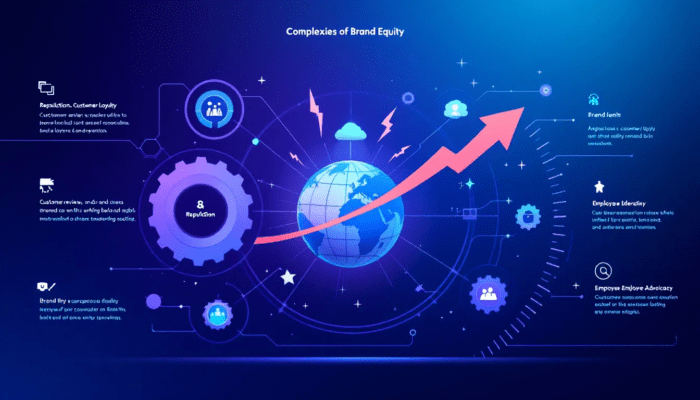
Brand equity comprises consumer perception, which can lead to positive or negative business impacts. Negative brand perceptions can severely diminish customer trust and loyalty, impacting brand equity. Recognizing these challenges is crucial for effectively managing and sustaining brand equity.
Volkswagen’s emissions scandal illustrates how negative perceptions can severely impact brand equity, leading to legal consequences and market share loss. Selecting the right marketing and branding agency partners is equally important for building, monitoring, and repairing perception over time. Managing brand equity requires a strategic focus on maintaining positive perceptions and addressing any issues that may arise.
Negative Brand Equity
Negative brand impressions can significantly decrease a brand’s equity. Customer perception is influenced by several factors, including a brand’s supply chain efficiency, governance, leadership, and innovation. Effective management of these factors is crucial to prevent negative brand equity.
Customer perception directly impacts their actions regarding a brand, making it crucial to manage these impressions effectively. Restoring customer trust requires a strategic effort to rebuild positive brand equity. Addressing negative perceptions promptly and transparently can help mitigate the damage and rebuild brand loyalty.
Staying Relevant in a Digital World
A brand’s online reputation affects brand equity positively or negatively. In an evolving digital landscape, brands face challenges in maintaining relevance. Actively managing online presence with a strong, well-designed website and addressing public perceptions is crucial for sustaining relevance, making professional web design services a key strategic investment.
Online reputation has become a crucial factor for brands striving to remain relevant. To sustain relevance, brands must actively manage their online presence and ensure their digital strategies align with their brand identity. Smaller firms can benefit from an asymmetric marketing approach that uses agility and unconventional tactics to compete with larger rivals. Engaging with consumers on social media and addressing their concerns promptly can help strengthen brand equity in the digital age.
Case Studies: Examples of Brand Equity in Action

Brand perception can create corresponding positive or negative actions and value results for a brand. Positive brand perception often boosts customer loyalty and willingness to pay premium prices. Conversely, negative brand perception can damage a brand’s equity, decrease sales, and cause the loss of customer trust.
For example, Nike has successfully built strong brand equity through positive brand perceptions, while Volkswagen faced significant brand equity challenges due to negative perceptions from its emissions scandal. Thought leaders such as Mark Hope on asymmetric marketing strategy provide additional case-based insights into how brands can avoid similar pitfalls.
Positive Brand Equity: Nike
Nike’s strong brand identity is characterized by its recognizable logo, the swoosh, and a memorable brand name. A key aspect of Nike’s brand equity is its association with innovation, quality, and sports celebrations. Nike boosts brand awareness through sponsorships and strategic advertising, especially endorsements with well-known athletes. On a local level, businesses can achieve similar gains by implementing a focused Madison, WI brand strategy that connects with community values and regional audiences.
Nike's commitment to high performance and durability upholds its products' perceived quality, appealing to athletes and casual consumers. Nike has built strong customer loyalty by engaging with athletes and using feedback to improve its products. These strategies have helped Nike maintain a strong market position and brand equity.
Negative Brand Equity: Volkswagen
The emissions scandal significantly damaged Volkswagen’s brand image and trust among consumers. The scandal led to a 40% reduction in market value and widespread reputational damage. Following the scandal, Volkswagen faced significant reputational harm, losing customer loyalty and market share.
The emissions scandal shows how negative brand equity can result from corporate missteps, necessitating strategic recovery efforts. Volkswagen’s experience highlights the importance of maintaining ethical practices and transparency to avoid damaging brand equity.
Summary
Brand equity is crucial for any business aiming to build a lasting and successful brand. From defining brand equity to exploring its key components and importance, this blog post has provided a comprehensive guide to managing and measuring it. We’ve also delved into the challenges of maintaining brand equity and provided real-world examples to illustrate these concepts.
By applying the insights and strategies discussed, businesses can enhance their brand equity, ensuring long-term success and a competitive edge in the market. Remember, brand equity is not just about financial value—it’s about creating a brand that resonates deeply with consumers and stands the test of time.

Frequently Asked Questions About Brand Equity
What is brand equity?
Brand equity is the added value a company derives from its recognizable brand. It influences consumer trust, quality perception, and emotional connections. Strong brand equity can ultimately differentiate a brand from its competitors and enhance its overall market position.
Why is brand equity important?
Brand equity is crucial as it maximizes company value, boosts sales, and fosters customer loyalty. Substantial brand equity enables premium pricing and greater market share.
What are the critical components of brand equity?
Brand equity consists of brand awareness, perceived quality, and brand associations, which collectively enhance consumer perception and foster brand loyalty. Understanding these elements is crucial for achieving market success.
How can businesses build brand equity?
To build brand equity, businesses should develop a strong brand identity, maintain consistent branding, and create positive customer experiences. Consistency in messaging and design across all platforms reinforces brand value.
What challenges do companies face in managing brand equity?
Companies face significant challenges in managing brand equity, including negative brand perceptions, and must remain relevant in a rapidly evolving digital landscape. To overcome these challenges, it is essential to implement strategic initiatives that sustain positive brand associations and consumer trust.

Ready to Build Strong Brand Equity?
Brand equity is more than just recognition—the trust, loyalty, and value set your business apart in a competitive market. At Asymmetric Marketing, we help you create and strengthen your brand identity with strategies that drive long-term customer loyalty and increase market share. Let’s work together to make your brand an enduring asset.
- Contact Us: Get in Touch
- Schedule a Brand Strategy Consultation: Book Now
- Explore Our Branding Articles: Learn More
Invest in building a brand that resonates, stands out, and grows in value over time.

About the author
Mark A. Hope is the co-founder and Partner at Asymmetric Marketing, an innovative agency dedicated to creating high-performance sales and marketing systems, campaigns, processes, and strategies tailored for small businesses. With extensive experience spanning various industries, Asymmetric Marketing excels in delivering customized solutions that drive growth and success. If you’re looking to implement the strategies discussed in this article or need expert guidance on enhancing your marketing efforts, Mark is here to help. Contact him at 608-410-4450 or via email at mark.hope@asymmetric.pro.