

October 21, 2026
Why Industrial Clients Choose Boutique Environmental Consulting Firms Over Big Engineering
Plant managers don't need the biggest engineering firm. They need someone who answers the phone when the inspector shows up. Why industrial clients hire boutique environmental consultants, and how a specialist firm can win more of them.
By Mark Hope, Founder, President & Chief Strategy Officer, Asymmetric Marketing
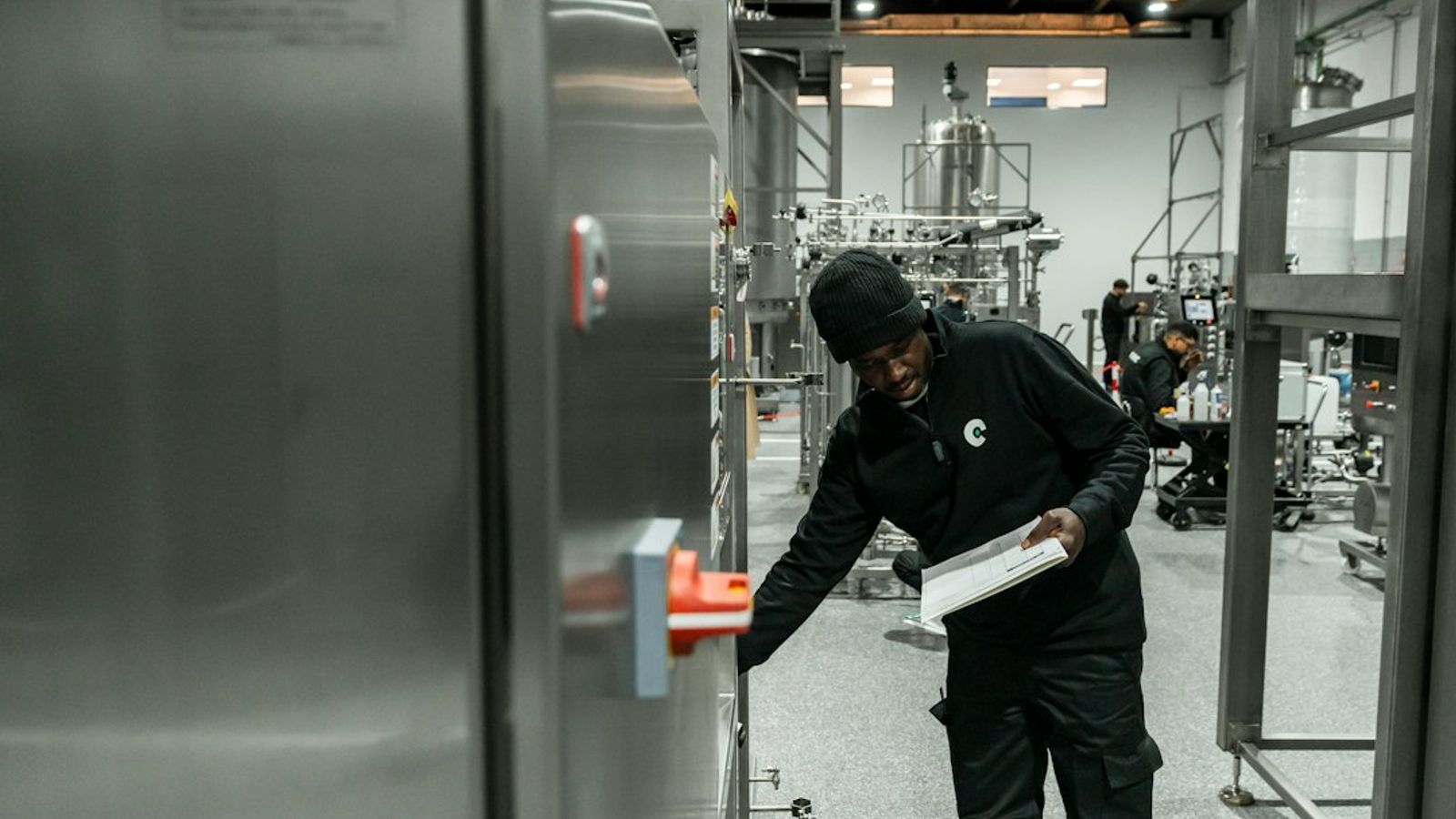
An EHS manager at a mid-sized plant has an air permit renewal due, a stormwater sampling result that came back high, and an inspector scheduled for next month. They don't need a 10,000-person engineering firm. They need someone who knows their permits, picks up the phone, and has been through this exact inspection before.
That's where a boutique environmental consulting firm wins. The large multidisciplinary firms are built for big infrastructure and remediation programs. Day-to-day compliance at a single plant is too small for them to care about, and the plant can tell.
Key takeaways
- Industrial clients hire boutique consultants for three things big firms struggle to offer: fast answers, deep knowledge of specific regulations, and the same people on the account year after year.
- Your marketing has to show those strengths. "Full-service environmental consulting" says nothing. "We keep metal finishers in Ohio inspection-ready" says a lot.
- EHS managers start with a search for a specific regulatory question, so niche content and service pages win more work than broad keywords.
- Case studies, LinkedIn, and targeted outreach to a short list of facilities do most of the heavy lifting.
- Expect search and content to take six to 12 months to produce steady inquiries. Outreach can start conversations sooner.
Why plants choose a boutique firm
Big engineering firms have reach, bench depth, and the credentials to run a Superfund cleanup. What they often can't offer a single plant is attention. Here's what a specialist can:
- Fast answers. Same-day responses on a permit question, a hazardous waste manifest, or a stormwater pollution prevention plan, especially when an inspector is on site.
- Depth in specific rules. Real familiarity with RCRA hazardous waste requirements, Clean Air Act standards for a particular process, or the stormwater permit for a specific sector, rather than a generalist who looks it up.
- The same team. A senior consultant who acts like the plant's outside environmental manager, instead of a rotating cast of junior staff.
- Catching problems early. Spotting a compliance gap before it becomes a notice of violation.
None of this is an advantage unless buyers can see it. Most boutique firms market themselves like small versions of the big firms, with a long list of every service they offer. That throws away the reasons a plant would pick them. The same pattern shows up across the trades, where independent operators beat bigger competitors by being specific, not by matching them service for service.
Pick a niche and a buyer
Start with a sentence that names who you serve and the problem you solve. "We do environmental consulting" is a category. "We keep Midwest metal fabricators inspection-ready on air, water, and hazardous waste" is a reason to call.
- Choose a sector focus: metal finishing, food and beverage processing, chemical blending, bulk storage terminals, or industrial recycling, for example. Pick the ones where you already have experience and references.
- Write down your ideal client. A plant with somewhere around 100 to 500 employees is often a good fit: big enough to have real environmental obligations, small enough that one EHS manager is handling air, water, and waste alone.
- List their recurring headaches: permit renewals, wastewater discharge limits, stormwater sampling, manifest errors, spill prevention (SPCC) plans, and where environmental and OSHA requirements overlap.
- Tie each service to one of those headaches, so your website, proposals, and LinkedIn all say the same thing.
Talk about risk, not sustainability
Industrial buyers respond to language about inspections, uptime, and avoiding surprises. Abstract sustainability language doesn't move a plant manager whose job is keeping the line running and the agency off their back. Civil penalties under the Clean Air Act alone can run into six figures per day of violation, so "no surprises at inspection" is a message that gets attention.
Build your messaging around a few promises you can keep:
- Inspection-ready, all year: records, sampling plans, labels, and training documentation in order before anyone asks.
- One firm watching every requirement: federal, state, and local rules across air, water, and waste, tracked for the client.
- Hazardous waste without the headaches: correct classification, storage time limits, and clean manifests.
If a client also has sustainability reporting goals, that's a service you can offer. Lead with compliance anyway. It's what they're buying first.
Get found for the questions they search
When an EHS manager runs into a problem, they usually type a specific question into Google before they call anyone. That's your opening, because the big firms rarely write for that searcher.
- Build a separate service page for each thing you do: air permitting, wastewater permits, stormwater, hazardous waste management, SPCC plans, and ongoing compliance support. One page that lists everything ranks for nothing.
- Target specific searches, like "RCRA compliance audit Ohio" or "hazardous waste consultant for metal finishing," instead of "environmental consulting."
- Publish one in-depth article a month on a question your clients actually ask: annual hazardous waste reporting deadlines, common stormwater permit violations, or PFAS monitoring requirements. A strong pillar page with shorter posts linking to it works well.
- Keep your Google Business Profile current with project photos, and ask plant managers you've helped for reviews.
- Earn links from state manufacturing associations and environmental professional groups you already belong to.
Specific pages and content can compound quickly in a niche like this. Advanced Health & Safety, an independent mold and asbestos inspection firm in Madison, went from almost no digital footprint to roughly 11 times its organic traffic in about two years, with top-three rankings growing from 1 to 111.
Prove it with case studies
EHS managers skim case studies before they schedule a call. Keep each one short and specific: who the client was, the problem, what you did, the regulatory outcome, and what it meant for the business. A permit issued on time, a violation resolved without a penalty, or an inspection with no findings all count. End each one with an invitation for similar facilities to talk to you.
Use LinkedIn and events to build relationships
LinkedIn is where EHS managers, plant engineers, and operations leaders are easiest to reach. Post short regulatory updates and compliance tips each week, and share case study highlights. Speak at state manufacturing association meetings or regional environmental conferences when you can. A 20-minute talk in front of the right room does more than months of posts.
Reach out to a short list of facilities
Inbound marketing takes time. In parallel, build a list of 25 to 100 facilities that fit your niche, using public sources like EPA's Toxics Release Inventory, state permit databases, and industry directories. Reach out with something relevant to that facility, such as a recent permit action or a regulatory change that affects their process, and link to an article or case study rather than a brochure.
Referrals still bring in a lot of industrial work, so ask clients and partners for introductions, and stay in touch with the vendors and labs your clients use. Our guide to competitive intelligence covers how to research a market and its players before you go after it.
Measure what turns into work
Page views don't pay the bills. Track qualified discovery calls, proposals issued, win rate by service line, and the lifetime value of retained clients. Search and content usually take six to 12 months to produce steady inquiries, so review the numbers quarterly and adjust topics and target lists instead of changing strategy every month.
If your firm also does abatement or restoration work, our guide to building a B2B acquisition engine for commercial restoration covers the institutional side of that market.
Find where your firm can win
A boutique firm can out-compete big engineering on responsiveness, depth, and relationships, but only if buyers can see it. If you want help working out which niche to own and how to reach the plants in it, book a one-day working session. We'll look at your market, your competitors, and your numbers, and leave you with a 90-day plan. You can also see how we work with environmental and remediation firms.
Frequently asked questions
Why do industrial clients hire boutique environmental consultants instead of large engineering firms?
For most day-to-day compliance work, a plant values fast answers, deep knowledge of the specific regulations that apply to it, and the same senior people on the account. Large firms are built for big programs and often can't give a single plant that level of attention.
How should a small environmental consulting firm market itself to industrial clients?
Pick a sector niche, describe your services in terms of compliance and inspection risk, build a separate service page for each thing you do, publish content that answers specific regulatory questions, and back it up with short case studies and targeted outreach to a list of facilities that fit.
What size industrial client should a boutique firm target first?
Mid-sized facilities, roughly 100 to 500 employees, are often the best fit. They have real environmental obligations but usually only one person handling them, so they value an outside firm that acts like part of their team.
Can a small firm compete with big engineering brands online?
Yes, in the niche searches that matter. A plant manager searching for help with RCRA compliance at a coating plant wants a specialist. Specific service pages and practical content beat a big brand's general pages for those searches.
How long does it take for marketing to bring in industrial clients?
Search and content usually take six to 12 months to produce steady inquiries. Targeted outreach and referrals can start conversations within weeks. Watch for early signs like more visits to your service pages and more inquiries from EHS managers.
About the author

Mark Hope
Founder, President & Chief Strategy Officer, Asymmetric Marketing
Mark Hope is the Founder, President & Chief Strategy Officer of Asymmetric Marketing. His career spans elite military service, senior leadership at two of the largest companies in their categories, and founding several companies of his own. It's the common thread behind how Asymmetric helps smaller companies out-compete bigger ones.
Mark began his career in U.S. Army Special Operations, serving from 1977 to 1988 in the 1st and 3rd Battalions of the 75th Ranger Regiment and as an Operator in 1st Special Forces Operational Detachment–Delta (Delta Force). What that world runs on (careful planning, reading your opponent, and winning from a position of disadvantage) is the foundation of how he helps smaller companies win today.