

Effective business strategy planning ensures long-term success. In this guide, you’ll learn to create a strategic plan aligned with your mission and vision. We will cover key elements like setting clear goals, assessing the market environment, involving stakeholders, measuring success, and adjusting your plan.
Key Takeaways
- Strategic planning is a structured process through which an organization defines its long-term direction and high-level path to achieve its goals, typically spanning three to five years or more.
- Critical elements of effective strategic planning include defining the mission and vision (define mission), conducting a situational analysis, identifying strategic priorities, and developing actionable plans to achieve set goals. The process ensures the organization defines its core purpose, guiding principles, and key focus areas for resource allocation and decision-making.
- Successful implementation and measurement of a strategic plan require clarity in responsibilities, regular monitoring of KPIs, and stakeholder engagement to ensure alignment and adaptability in response to changing conditions.
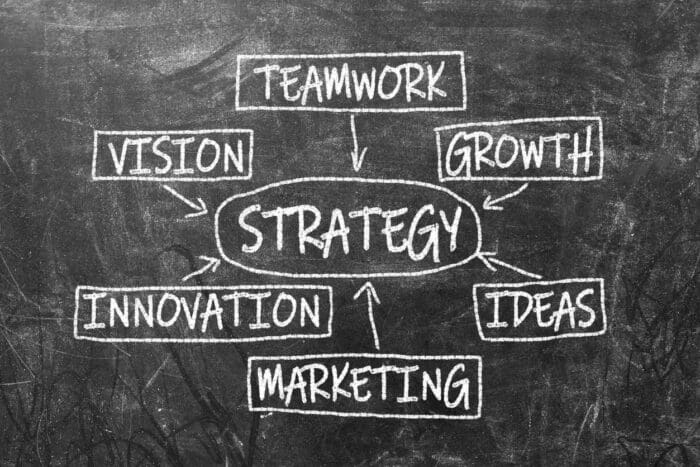
Strategic planning begins when the organization defines its mission and long term vision, establishing the core purpose and aspirational future state that guide all subsequent actions. This process starts with defining the mission (define mission) and establishing a long term vision, ensuring that every step is aligned with the organization’s foundational principles and future direction.
Understanding the organization’s current state is foundational to effective strategy planning. A situational analysis is essential for understanding both internal and external factors that impact an organization’s strategy, and tools such as a structured SWOT analysis for strategic planning are especially useful. This analysis clarifies where the organization stands today, providing a baseline for future planning.
This process helps transform assumptions into insights and typically includes evaluating strengths, weaknesses opportunities and threats, market trends, and competitive dynamics.
Strategic planning focuses on long-term objectives and breaks them into actionable short-term goals, aligning daily operations with the company’s ambitions. It fosters a culture of objective decision-making based on data and analysis, helping to eliminate biases and make informed choices.
A well-executed strategic plan offers a competitive edge by anticipating market trends and conducting thorough internal analysis. Aligning the mission, vision, and goals contributes to organizational culture and creates a cohesive framework for a successful business strategy.
Key Elements of Strategy Planning
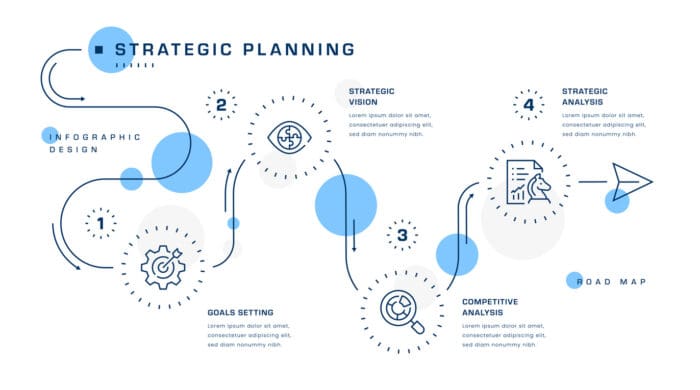
The foundation of any strategic plan lies in its vision and mission statements. A vision statement serves as a guiding star, illustrating the long-term goals and aspirations of the organization. It paints a picture of what success looks like and provides direction for selecting current and future actions. Complementing this, a mission statement explains how the organization plans to achieve its vision, clarifying the methods and approaches to be employed.
Setting specific, measurable goals and defining measurable outcomes are essential for assessing progress toward the organization’s mission and vision. These objectives should be quantifiable, aligned with the organization's mission, and facilitate tracking progress. Setting strategic goals involves defining clear, measurable objectives that are S.M.A.R.T. (specific, measurable, achievable, relevant, and time-bound) and data-driven, reflecting both short-term wins and long-term impacts to ensure relevance and adaptability.
A strategic plan, inspired by mission and vision statements, outlines actions to achieve goals. Checking the plan against market conditions and resources ensures strategies are both visionary and practical, and partnering with a digital marketing agency for growth-focused execution or a specialized growth marketing agency for scalable expansion can help translate strategic intent into measurable market results.
Assessing Your Business Environment
Conducting a situational analysis is essential for understanding the internal and external environment in which the organization operates. This foundational step in strategy planning involves an environmental scan to identify both internal and external factors. Approaches such as asymmetric marketing strategy for small businesses emphasize using these insights to exploit unique advantages. PESTEL Analysis examines external macro-environmental influences, including Political, Economic, Social, Technological, Environmental, and Legal factors, helping organizations anticipate changes and avoid missed opportunities or threats.
Internal analysis is equally important. SWOT analysis is a fundamental tool for evaluating internal strengths and weaknesses alongside external opportunities and threats, and is commonly used to understand internal capabilities and external market forces. This comprehensive approach guides strategic decisions to leverage strengths and address weaknesses, and it pairs well with an asymmetric marketing business strategy that focuses limited resources on high-impact opportunities. The situational analysis process typically includes evaluating the organization’s current state, strengths, weaknesses, opportunities, threats, market trends, and competitive dynamics. Assessing the organization's current state is critical for establishing a realistic baseline, which helps set priorities and make informed decisions as you move forward.
Competitor analysis and understanding the competitive landscape are also crucial. Conducting a thorough competitor analysis for business leaders involves assessing market dynamics, the threat of new market entrants, and the bargaining power of suppliers and buyers, all of which influence the organization’s position and strategy, while a focused competitor content analysis process reveals messaging and SEO gaps you can exploit.
Neglecting external factors and outdated data can mislead decisions and hinder innovation. Leveraging competitive intelligence services for strategic decision-making helps organizations recognize both internal and external factors, which is essential for accurately assessing a business’s position and market challenges, allowing agility and responsiveness to changing conditions.
Setting Strategic Goals

After assessing the business environment, the next step is establishing a clear strategic direction. Cross-functional collaboration is vital when formulating strategic goals, as it fosters alignment across the entire organization and uncovers challenges or opportunities that may be overlooked in top-down goal-setting. Drawing on principles of effective business planning and strategy development, strategic goals enhance efficiency by connecting daily tasks to the company’s vision, ensuring every action is purposeful and aligned with broader objectives.
Differentiating between strategic, tactical, and operational goals avoids misalignment and confusion. Applying a structured marketing planning framework across strategic, operational, and tactical levels makes it easier to identify key priorities and strategic priorities within the strategic plan—focusing on the areas that will have the most significant impact. Strategic goals focus on long-term aspirations and break these into actionable steps, while operational goals handle day-to-day tasks, ensuring all levels work towards the same end.
Setting measurable goals that are data-driven and reflect analytical insights is crucial. These goals should consider both short-term wins and long-term impacts to ensure relevance and adaptability. Effective strategic planning also enables proactive adaptation by analyzing trends, allowing companies to anticipate market changes. Setting challenging yet attainable goals promotes innovation without demotivation. Transparency in goal setting fosters employee ownership and motivation. Metrics for success should include milestones and quantifiable performance measures, providing a clear picture of progress and areas for improvement.
Developing a Strategic Plan
Developing a strategic plan begins with defining the mission and vision, laying the foundation for all planning activities. Businesses should then collect and analyze information about operations and market conditions to ensure effective strategy formulation, much like the external assessments emphasized in Sun Tzu–inspired strategic planning for business. This data-driven approach guides plan execution. Developing detailed action plans is crucial at this stage, breaking down goals into specific initiatives with assigned responsibilities, timelines, and resource allocation. Engaging stakeholders early in the process helps gain buy-in and ensures diverse perspectives are considered, strengthening the overall strategy.
Yearly objectives should align with overall strategic goals, creating a cohesive plan that ties daily work to high-level business objectives. Tools like the balanced scorecard set strategic objectives across key areas, ensuring a comprehensive approach. The BCG matrix categorizes business units based on market growth and share, guiding the need to allocate resources efficiently—including financial, human, and technological assets—to support strategic implementation and maintain flexibility through contingency planning, while structured business wargaming for strategy development and a broader business wargaming framework for competitive strategy can pressure-test these choices before implementation.
A flexible strategy document is crucial for adapting to changing market conditions. A high-level project roadmap visualizes the timeline of initiatives, creating a clear path for implementation. Providing proper training to employees is essential to ensure successful implementation of the strategic plan and new workflows. A work management platform can centralize the strategic plan, tying tasks to company goals and ensuring alignment.
Involving Stakeholders in the Planning Process
Engaging a variety of stakeholders enhances the likelihood of success for strategic initiatives. Effective engagement brings fresh perspectives, revealing gaps in existing plans and assumptions. Identifying different stakeholders, such as sponsors and end-users, ensures all relevant voices are heard.
Incorporating stakeholder feedback early in the planning process shapes effective strategies. Active participation ensures equitable representation and diverse input, leading to robust plans. Frequent communication and progress updates maintain team morale and keep stakeholders informed.
A common issue in strategic planning is a lack of ownership, which leads to disjointed execution. Visual documentation of goals and progress improves clarity and understanding among team members, ensuring alignment and commitment to the strategic plan.
Implementing Your Strategic Plan
Implementing a strategic plan requires clear communication and understanding of responsibilities. Assigning specific responsibilities enhances accountability and fosters transparency in project management. A well-defined action plan with clear objectives is crucial before strategy implementation, and layering in a data-driven growth marketing strategy supported by a full-service digital marketing agency ensures that execution continually optimizes toward the organization’s most important outcomes.
Tactics encompass initiatives and projects essential for executing a strategic plan and achieving objectives. Regularly reviewing metrics during follow-up meetings ensures they provide helpful information for adjustments. KPIs, targets, and deadlines are essential for monitoring progress.
A dedicated strategic management team communicates, coordinates, and evaluates progress against goals. It is vital to stay aligned with the core strategy; tasks diverging from the plan should be deferred to maintain focus.
Measuring Success and Adjusting Strategies

Measuring the success of a strategic plan involves tracking key performance indicators (KPIs), which are essential for assessing progress and identifying areas for improvement. Data analytics and visualization tools enhance the effectiveness of tracking strategic plan performance by providing clear, actionable insights. Assigning KPIs based on organizational goals ensures that metrics are relevant and aligned with objectives, particularly when evaluating the impact of a strategic marketing budget and spend plan.
Organizations must continuously monitor performance data and adjust their strategies to remain relevant and effective in a changing environment. Strategic planning is an ongoing process that requires regular reviews and adjustments based on performance metrics and environmental changes. Ignoring feedback and data can lead to rigid and outdated strategies, so creating feedback loops is essential for timely adaptation.
Monitoring progress is essential for ensuring that strategic plans remain relevant and effective, as it allows organizations to adapt to changing circumstances, identify execution gaps, and capitalize on emerging opportunities. Regularly scheduled reviews and feedback loops are vital for tracking progress and making timely adjustments to strategies and plans.
Establish metrics to measure success and outline timelines to track progress effectively, using KPIs and data analytics to guide ongoing evaluation and improvement.
Tools and Resources for Strategic Planning
Having the right tools and resources is crucial for effective strategic planning. A strategic planning template can outline the plan and track progress, typically including vision and mission statements, competitive analyses, SWOT assessments, and relevant KPIs. Incorporating a structured competitor website analysis process or a comprehensive competitor website audit into these tools strengthens your understanding of rivals’ digital strategies. Data analytics tools can also be used to monitor and evaluate strategic plan performance, providing deeper insights through visualization and tracking of key metrics.
Strategic map templates visualize objectives and their interrelationships. The balanced scorecard helps set goals and assess performance beyond financial metrics. The OKR framework breaks down business goals into measurable objectives to enhance team alignment, and a disciplined marketing budget planning approach informed by an essential guide to marketing budget by industry ensures that resources are allocated to the initiatives that best support those objectives.
Gap analysis identifies discrepancies between current performance and desired outcomes. Feature market analysis assesses customer needs and competitor offerings to prioritize product features. Attending a focused strategy development conference for SMEs can deepen your familiarity with tools like Pareto and four corners analysis, which provide valuable insights for focused strategic actions.
Common Pitfalls in Strategic Planning
Despite best intentions, many organizations fail in strategic planning due to common pitfalls. Often, strategic plans are too broad and over-ambitious. Neglecting market analysis, research, or business intelligence leads to poorly informed strategies, which can be mitigated with disciplined competitor analysis for business leaders and ongoing competitive intelligence services for strategic decision-making grounded in a structured competitive intelligence cycle for business growth.
Relying on easy-to-use templates can promote shortsighted thinking and poorly executed strategies. Flexibility in strategy development is crucial for adapting to new information and changing circumstances. Applying Sun Tzu principles to modern business competition and essential Art of War lessons for modern strategy reinforces the need to adapt quickly to shifting conditions. Competing priorities like quarterly targets and budget reconciliation can lead to a lack of commitment to the plan.
Poor targeting is a significant barrier to successfully executing a strategic plan. An appetite for simplicity should not override the need for thoroughness in strategy development. By knowing these pitfalls, organizations can better navigate the planning process and achieve desired outcomes.
Summary
Strategic planning is an ongoing process that requires careful consideration, clear communication, and continuous adjustments. By understanding the fundamentals of strategic planning, assessing the business environment, setting clear goals, involving stakeholders, and implementing the plan effectively, organizations can navigate the complexities of the business landscape and achieve long-term success.
In summary, strategic planning is not a one-time event but a dynamic process that evolves with the organization. By avoiding common pitfalls and leveraging the right tools and resources, including ongoing guidance from a comprehensive digital marketing and strategy blog, businesses can develop and execute strategies that drive sustainable growth and competitive advantage.

Frequently Asked Questions
What is strategic planning?
Strategic planning is formulating a plan to achieve long-term objectives by ensuring that short-term goals align with the organization's vision and mission. This alignment is essential for organizational success.
How do vision and mission statements differ?
Vision statements articulate an organization's long-term aspirations, whereas mission statements detail the strategies and actions necessary to realize those aspirations.
Why is stakeholder involvement significant in strategic planning?
Stakeholder involvement is crucial in strategic planning. It brings diverse perspectives, uncovers gaps, and ensures that the plan aligns with the needs and expectations of all relevant parties. This inclusivity enhances the effectiveness and acceptance of strategic initiatives.
What tools are helpful for strategic planning?
Tools like strategic planning templates, balanced scorecards, OKR frameworks, and SWOT analyses can effectively support strategic planning. These tools will enhance your planning process and ensure better alignment with your goals.
What are common pitfalls in strategic planning?
One should avoid common pitfalls in strategic planning, such as creating overly broad plans, neglecting market analysis, relying excessively on templates, and not adapting to changing circumstances. These missteps can undermine the strategic plan's effectiveness and relevance.

Take Your Strategy Planning to the Next Level
Ready to build an effective strategy that drives your business's success? Our team can help you create a tailored plan that aligns with your goals and is supported by essential questions for effective marketing campaigns that set you apart from the competition.
Get Expert Strategy Advice
Looking for professional guidance on developing a winning business strategy?
👉 Schedule a Consultation
Explore More Strategy Insights
Dive deeper into strategic planning and other essential business tips.
👉 Read More Related Content
Have Questions? We’re Here to Help!
Reach out to us for answers and advice on your strategy planning needs.
👉 Contact Us Today
Mark Hope,
Partner
📧 mark.hope@asymmetric.pro
📞 (608) 410-4450
Learn more about Mark Hope’s asymmetric marketing insights and how partnering with an experienced marketing agency for business growth, a Madison web design and digital strategy partner, or a full-service digital marketing agency for growth-focused execution can support your strategic planning.

About the author
Mark A. Hope is the co-founder and Partner at Asymmetric Marketing, an innovative agency dedicated to creating high-performance sales and marketing systems, campaigns, processes, and strategies tailored for small businesses. With extensive experience spanning various industries, Asymmetric Marketing excels in delivering customized solutions that drive growth and success. If you’re looking to implement the strategies discussed in this article or need expert guidance on enhancing your marketing efforts, Mark is here to help. Contact him at 608-410-4450 or via email at mark.hope@asymmetric.pro.